Climate Storm Analysis

Comprehensive insights and analysis on climate storms, their impacts, and future predictions. Stay informed with the latest research and updates.

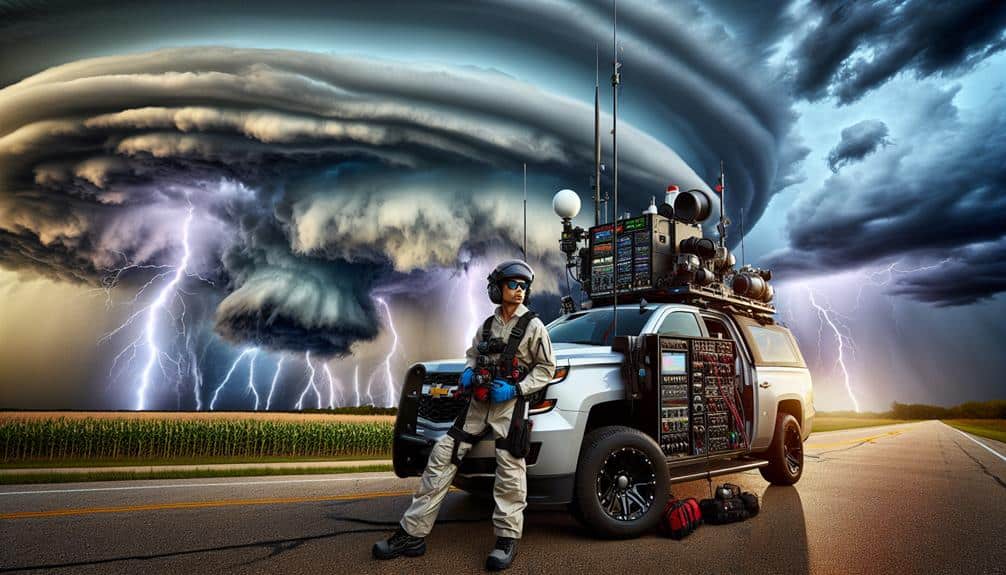
10 Best Ways Climate Change Impacts Storm Chasers
storm chasers face climate

Climate change profoundly impacts storm chasers. We've seen a 20% rise in severe storms and a surge in Category 4 and 5 hurricanes. Enhanced tornado activity requires sophisticated models as we navigate variable wind patterns and erratic behaviors. Extended storm seasons allow for more data collection, though we face higher risks from lightning and flooding […]

10 Best Ways Climate Change Impacts Storm Chasers Read More »

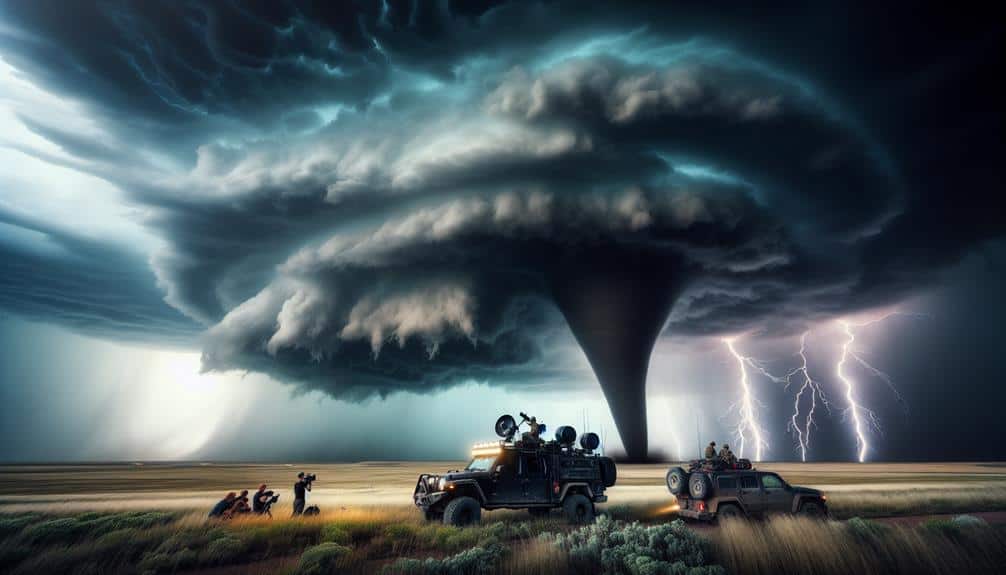
5 Best Ways to Assess Risk for Storm Chasers

storm chaser risk assessment

We can effectively evaluate risk by analyzing historical data on storm patterns and incidents, allowing us to identify trends using statistical tools. Monitoring weather patterns through high-resolution satellite imagery, Doppler radar data, and real-time feeds is essential. Evaluating storm intensity by analyzing wind speed, atmospheric pressure, and precipitation provides key severity indicators. Utilizing advanced technology

5 Best Ways to Assess Risk for Storm Chasers Read More »
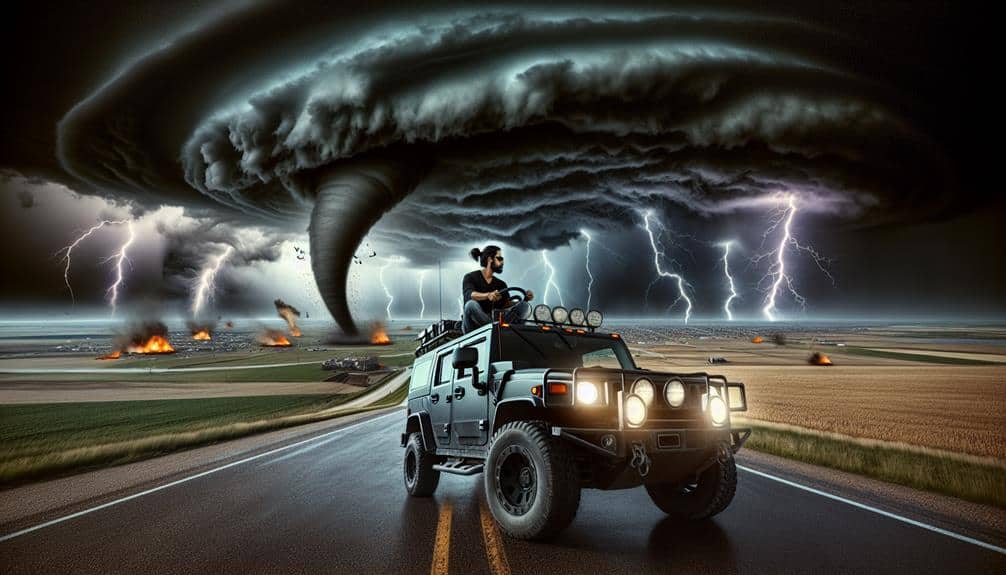
5 Ways Storm Chasers Capture Climate Change Impact

tracking storms for change

We meticulously capture the impacts of climate change using advanced technologies. High-resolution storm footage with HD cameras and drones provides precise data. Real-time weather data from satellites and sensors offer actionable insights. Drone-based aerial surveys allow us to monitor remote and inaccessible areas accurately. Time-lapse photography documents long-term environmental changes like shifting cloud patterns and

5 Ways Storm Chasers Capture Climate Change Impact Read More »

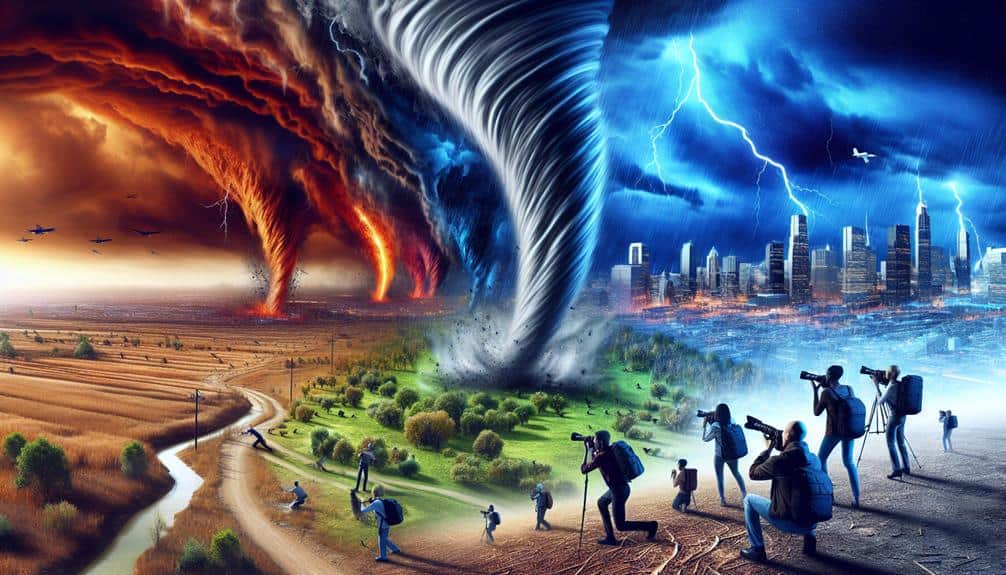
7 Best Strategies for Storm Chasers in Climate Change

storm chasing climate change

As storm chasers dealing with the intricacies of climate change, we must adopt innovative strategies to accurately track and safely navigate increasingly unpredictable storm patterns. We analyze historical data and climate models to understand these changes, leveraging AI prediction models and real-time data from satellite imaging and radar systems. Collaborating with meteorologists enhances our forecasts

7 Best Strategies for Storm Chasers in Climate Change Read More »

7 Ways to Monitor Climate Change Through Storm Data

tracking storms for climate

We can monitor climate change through storm data by analyzing hurricane frequency and tracking storm intensity. Using advanced models, we map storm paths, study rainfall patterns, and monitor wind speeds. Evaluating storm surge data helps us predict coastal flooding, while comparing historical storm records reveals trends in frequency and severity. Significantly, we've observed a rise

7 Ways to Monitor Climate Change Through Storm Data Read More »

Adapting Storm Chasers: Climate Change Impact Insights

climate change and storm chasing

As climate change escalates storm frequency and intensity, we must adjust our storm-chasing strategies with advanced tracking technologies like satellite systems, drones, and ground-based radars. These tools provide precise data on storm development and enable enhanced predictive modeling with machine learning algorithms. Upgraded safety protocols, real-time data analysis, and collaborative international efforts are crucial to

Adapting Storm Chasers: Climate Change Impact Insights Read More »

Adapting Storm Chasing Tech to Changing Climates

innovating weather tech solutions

We're leveraging cutting-edge storm-chasing technology to adapt to the intensifying climate-induced severe weather. Advanced radar systems like phased array and dual-polarization pinpoint storm trajectories with precision, while machine learning algorithms refine our predictive models. Enhanced data analytics allow for the interpretation of vast datasets, helping us forecast with unprecedented accuracy. Real-time communication tools guarantee seamless

Adapting Storm Chasing Tech to Changing Climates Read More »

Enhancing Storm Chasing Strategies in Changing Climate

improving storm chasing techniques

As global temperatures rise, we're observing a 20% increase in Category 4 and 5 hurricanes over the past two decades. This trend demands that we adapt our storm chasing strategies. Storms are migrating to new regions, making real-time data integration and advanced meteorological research critical. We're utilizing machine learning algorithms, high-resolution satellite imagery, and drones

Enhancing Storm Chasing Strategies in Changing Climate Read More »

Improving Storm Chasing Success in Changing Climate

adapting storm chasing strategies

Improving storm chasing success in a changing climate requires us to leverage advanced forecasting technologies and adapt our strategies. By analyzing historical climate data and using high-resolution satellite imagery and Doppler radar, we can track atmospheric conditions in real time. High-precision weather models help us make informed decisions about when and where to chase. We

Improving Storm Chasing Success in Changing Climate Read More »

Maximizing Safety During Strong Hurricanes: 7 Essential Tips

hurricane safety tips guide

We must actively employ proven strategies to maximize safety during strong hurricanes. We need to prepare an emergency kit with a three-day supply of essentials as recommended by FEMA. Securing our home with storm shutters and anchoring outdoor furniture reduces hazards. Planning evacuation routes in advance ensures swift, safe departures, potentially reducing fatalities by up

Maximizing Safety During Strong Hurricanes: 7 Essential Tips Read More »

Navigating Climate Change: Storm Chasers' Future Challenges

climate change storm chasers

As climate change accelerates storm frequency and intensifies severity, we're facing unprecedented challenges in storm chasing. More frequent and severe storms mean our safety protocols and technologies must evolve rapidly. Unpredictable weather patterns and shifting trajectories increase the risks, demanding advanced satellite systems, high-resolution radar, and AI integration. Data collection is tougher due to equipment

Navigating Climate Change: Storm Chasers' Future Challenges Read More »

Navigating Storm Behavior in Changing Climate: 3 Tips

weathering climate change storms

To navigate storm behavior in our changing climate, we need to first analyze historical weather data and utilize current climate models to identify key trends. Next, let's deploy advanced technologies like satellite imaging, machine learning, and IoT-based weather stations to obtain real-time, localized data. Finally, we should enhance our safety protocols by integrating evidence-based strategies,

Navigating Storm Behavior in Changing Climate: 3 Tips Read More »

Preparing for Climate Change: Storm Chasers' Mission Consequences

climate change storm monitoring

As climate change strengthens, we're experiencing more frequent, intense storms, challenging storm chasers to adapt continuously. Our missions now require advanced forecasting, real-time data collection, and cutting-edge technology like drones and specialized vehicles. We've seen increased tornado activity in the Midwest, intensified hurricanes along coasts, and longer storm seasons demanding extended readiness. Thorough safety protocols

Preparing for Climate Change: Storm Chasers' Mission Consequences Read More »

Preparing Storm Chasers for Climate Change Challenges

climate change storm chasers

As storm patterns intensify due to climate change, we must improve predictive models with machine learning, adopt strict safety protocols, and prepare strong emergency kits. Enhanced data collection through drones and mobile weather stations is vital for real-time updates. Equipping vehicles with survival essentials and communication devices guarantees operational efficiency and safety. Collaborating with environmental

Preparing Storm Chasers for Climate Change Challenges Read More »

The Impact of Climate Change on Storm Chasers

climate change affects chasers

Climate change's impact on storm chasers is profound. We're observing more frequent and intense storms driven by rising global temperatures. Shifts in storm patterns cause erratic behavior and altered paths, complicating our forecasting and data collection efforts. Enhanced storm intensity demands robust equipment and real-time data. Safety concerns escalate as storms intensify, requiring rigorous risk

The Impact of Climate Change on Storm Chasers Read More »
The Impact of Climate Change on Storm Severity

climate change and storms

We've observed a stark increase in storm severity due to climate change, driven primarily by rising ocean temperatures and atmospheric moisture. Warmer seas not only fuel stronger storms but also increase wind speeds and storm surges, escalating coastal damage. Additionally, higher atmospheric moisture amplifies storm dynamics, leading to heavier rainfall and prolonged storm durations. These

The Impact of Climate Change on Storm Severity Read More »

Top Tips for Storm Chasers Adapting to Climate Change

storm chasers adapt climate

As climate change accelerates storm frequency and intensity, we must adapt by leveraging machine learning algorithms and high-resolution atmospheric models for precise predictions. Let's utilize advanced radar systems, PPE, and emergency communication devices to enhance safety. Effective communication with real-time data sharing and media outreach boosts response times and public awareness. Adopting fuel-efficient vehicles and

Top Tips for Storm Chasers Adapting to Climate Change Read More »

Uncovering the Link Between Climate Change and Storms

climate change and storms

As global temperatures climb, we're seeing a significant rise in both the frequency and intensity of storms. Warmer ocean temperatures and shifting weather patterns are key drivers, leading to more severe hurricanes and typhoons. Data shows higher wind speeds and enhanced rainfall rates, with every degree Celsius increase in temperature causing the atmosphere to hold

Uncovering the Link Between Climate Change and Storms Read More »

Understanding Climate Change Impact on Storm Chasing: 10 Tips

climate change storm chasing

As storm chasers, we must acknowledge how climate change affects storm dynamics. Severe storm frequency has increased by about 20% in the last ten years, which is connected to higher atmospheric moisture levels and stronger wind shear. Increasing global temperatures and heightened atmospheric moisture have a significant effect on storm formation and intensity. Monitoring changes

Understanding Climate Change Impact on Storm Chasing: 10 Tips Read More »
Understanding Climate Change's Impact on Storm Characteristics

climate change and storm characteristics

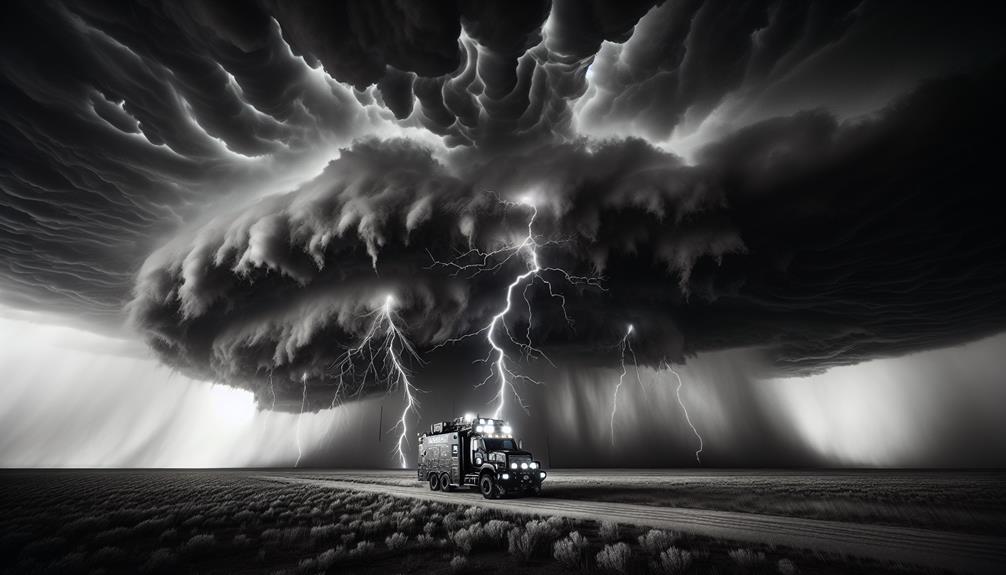
Understanding climate change's impact on storm characteristics shows that we're facing more intense and frequent storm systems. Rising sea surface temperatures intensify these storms, leading to higher wind speeds and an uptick in severe hurricanes. Shifting storm tracks and enhanced rainfall rates contribute to increased coastal erosion and regional shifts in precipitation patterns. Prolonged storm

Understanding Climate Change's Impact on Storm Characteristics Read More »

Understanding the Impact of Climate Change on Storms

climate change and storms

As global temperatures rise, we're witnessing more frequent and intense storms. Warmer oceans provide additional energy, fueling hurricanes, typhoons, and cyclones. Increased water vapor leads to heavier rainfall and severe flooding. Empirical data from events like Hurricane Harvey show how added atmospheric heat amplifies storm destructiveness. The geographical distribution and timing of storms are shifting,

Understanding the Impact of Climate Change on Storms Read More »

Understanding the Link Between Climate Change and Tornadoes

climate change and tornadoes

We've observed a significant link between climate change and tornado dynamics, backed by detailed analysis of historical data. Tornado frequency and intensity have increased, with notable shifts in geographic distribution. Warmer ocean temperatures and changing jet streams are essential factors. Sharp temperature gradients and vertical wind shear are contributing to more frequent and intense tornado

Understanding the Link Between Climate Change and Tornadoes Read More »

What Are the Implications of Climate Change on Storm Chasers?

climate change impacts stormchasers

As climate change accelerates, we see more frequent and severe storms, with a 15% increase in occurrences over the past two decades. These changes bring more opportunities for storm chasers to document weather events but also pose greater risks. We need advanced forecasting tools, better protective gear, and updated safety protocols to mitigate hazards like

What Are the Implications of Climate Change on Storm Chasers? Read More »

What Challenges Do Climate Change Pose for Storm Chasers?

We're facing significant challenges as climate change intensifies storms by 30%, making our efforts both riskier and more crucial. Unpredictable weather patterns disrupt our predictive models, requiring advanced real-time analytics and machine learning for accurate forecasting. Extended storm seasons demand better equipment and higher budgets for fuel, food, and lodging, while increasing our environmental footprint.

What Challenges Do Climate Change Pose for Storm Chasers? Read More »

What Safety Measures Protect Storm Chasers From Climate Change?

storm chasers face risks

To protect storm chasers from climate change, we utilize advanced weather monitoring tools like Doppler radar and satellite technology for up-to-date data on storm intensity and trajectory. Thorough training and certification guarantee we're proficient in risk assessment and emergency protocols. We also utilize specialized protective gear, such as waterproof clothing and dependable communication devices. Real-time

What Safety Measures Protect Storm Chasers From Climate Change? Read More »

Why Are Storm Chasers Concerned About Climate Change?

storm chasers monitor weather

As storm chasers, we're deeply concerned about climate change because it's directly linked to more frequent, intense, and unpredictable storms. Rising global temperatures boost storm intensity, making them more powerful with higher wind speeds and extreme precipitation. These shifts lead to altered storm paths and seasons, complicating our tracking efforts. The changed storm behavior poses

Why Are Storm Chasers Concerned About Climate Change? Read More »

Why Are Storm Chasers Noticing Climate Change Impacts?

storm chasers observe climate

We're noticing the impacts of climate change because storm frequency has surged by 20% in the past 30 years, and storm intensity is increasing, linked to higher atmospheric energy levels. Storms are now occurring in new regions and seasons, driven by warmer sea surface temperatures and altered jet streams. Advanced technology like Doppler radar and

Why Are Storm Chasers Noticing Climate Change Impacts? Read More »

Why Are Storm Patterns Changing in a Warming Climate?

climate change affects storms

We're witnessing storm patterns shift in a warming climate due to heightened atmospheric moisture and escalating sea surface temperatures. As the air warms up, it can retain more moisture, causing more vigorous and frequent storms. Increased ocean temperatures supply additional energy for storm formation, resulting in more powerful hurricanes, typhoons, and extreme weather occurrences. Furthermore,

Why Are Storm Patterns Changing in a Warming Climate? Read More »

Why Is Climate Change Transforming Storm Chasing?

changing storm chasing conditions

Climate change is transforming storm chasing as we see increased storm intensities driven by warmer sea surface temperatures and shifts in storm patterns with erratic paths. There's a noticeable rise in tornado outbreaks and thunderstorm incidents, with some regions experiencing up to a 20% increase. Tornado Alley is moving eastward, creating new storm hotspots. Advanced

Why Is Climate Change Transforming Storm Chasing? Read More »

Scroll to Top