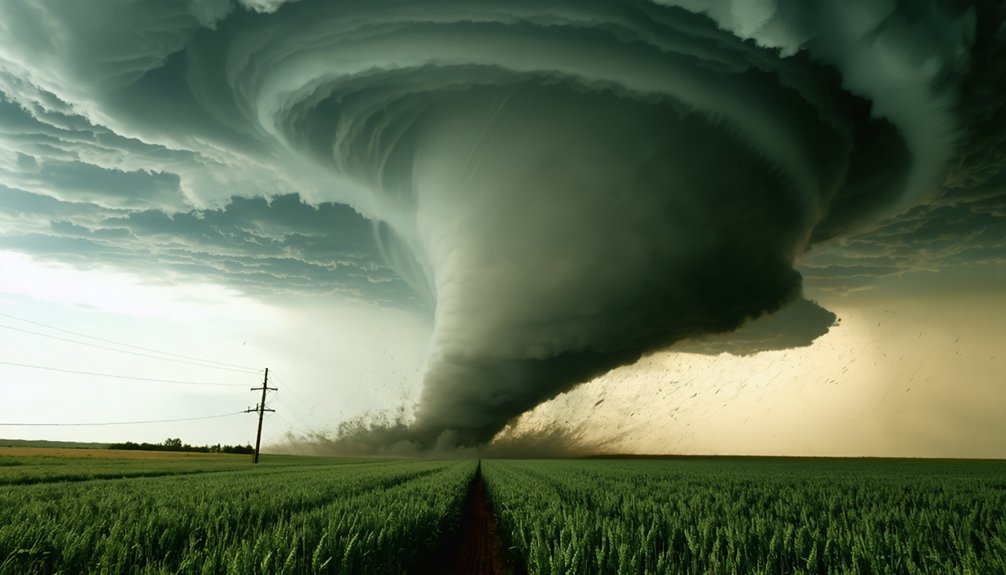
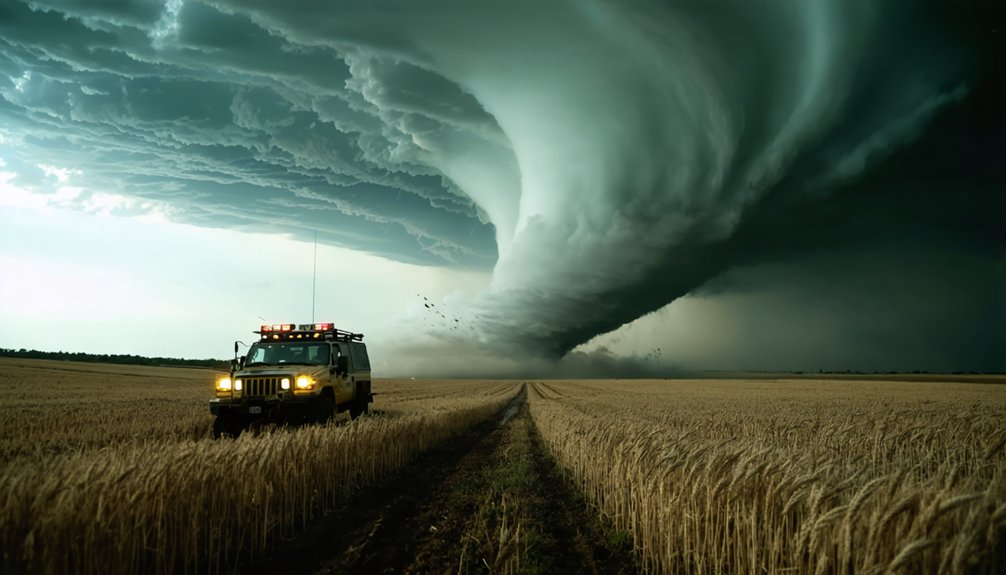
To chase storms ethically, you should follow a voluntary conduct code, prioritize personal safety, obey all traffic laws, respect private property, and support those affected once the storm passes. You’ll need to stay aware of escape routes, avoid radar fixation, and never trespass for a better view. Your actions shape how the entire chasing community is perceived. Keep going to discover exactly how each practice protects both you and others.
Key Takeaways
- Always obey traffic laws, yield to emergency vehicles, and avoid blocking roads to maintain safety and community credibility.
- Obtain landowner permission before accessing private property; trespassing damages the reputation of all storm chasers.
- Maintain constant situational awareness, secure escape routes, and avoid radar fixation to prevent dangerous situations.
- Warn nearby residents of imminent danger, then step back once emergency responders arrive on scene.
- Uphold professional conduct standards to protect the chasing community’s reputation and preserve long-term operational freedom.
Follow a Conduct Code That Keeps Storm Chasing Responsible
Storm chasing carries real risks — not just to you, but to other chasers, emergency responders, and the communities you pass through.
That’s why adopting a personal conduct code matters. Storm chaser responsibilities aren’t enforced by law, but they’re upheld by professional standards and community accountability.
Ethical decision making means obeying traffic laws, respecting private property, and avoiding interference with emergency operations.
It means warning residents when danger is imminent and staying out of responders’ way after a storm hits.
You also set the tone for newer chasers watching you.
When you act responsibly, you counter the reckless image sensationalist media often promotes.
A voluntary code won’t carry sanctions, but it shapes your reputation and protects the freedom to chase without unnecessary restrictions.
Put Personal Safety Before the Chase
Responsible conduct sets the foundation, but none of it matters if you don’t come home. Storm preparedness and situational awareness aren’t optional—they’re your first line of defense before you ever get near a storm.
- Know your personal limits and don’t let chase excitement push you past them.
- Maintain situational awareness constantly; deviant storm motion can cut off escape routes fast.
- Secure a quality escape route before you position near any storm.
- Avoid radar fixation—task saturation during critical moments gets chasers killed.
- Remember that tornadoes are larger than they appear; debris fields extend far beyond the visible funnel.
Your freedom to chase depends on returning home safely. No footage, no data point, and no adrenaline rush justifies compromising your survival.
Respect Traffic Laws and Fellow Chasers on the Road
Chasing a storm doesn’t suspend traffic law. You’re still bound by posted speed limits, school zone reductions, and right-of-way rules — no exception.
Yielding to emergency vehicles isn’t optional, and blocking roads for other chasers or locals undermines your credibility and everyone’s safety.
Road etiquette matters beyond legality. You represent the entire chasing community every time you’re behind the wheel. Reckless driving fuels the “yahoo” stereotype that damages public trust and invites regulatory pushback against legitimate chasers.
Chaser accountability means addressing problems directly. If you witness another chaser behaving dangerously or disrespectfully, contact them privately before resorting to public exposure.
That approach encourages genuine improvement rather than defensiveness. You set the standard through your own conduct, and that standard shapes how storm chasing is perceived long-term.
Never Trespass on Private Property During a Storm Chase
No matter how promising the vantage point looks, driving onto private roads or into fields without permission is off-limits. Respecting property boundaries isn’t just legal compliance—it’s core storm ethics that protects everyone’s freedom to chase.
- Always seek landowner permission before accessing non-public areas.
- Stay on public roads even when a closer position seems ideal.
- Recognize that trespassing damages the reputation of all chasers.
- Avoid blocking rural roads, which frustrates locals and emergency responders.
- Treat private land as you’d want yours treated—with respect.
Violating these boundaries invites restrictions that could limit chase access for everyone. Your choices in the field reflect on the entire community.
Protect the freedom to chase by honoring the property rights that make rural access possible.
Take Care of People First When the Storm Passes
When the storm passes, three priorities take over: render first aid if you’re trained, warn nearby residents of incoming dangers, and stay clear of active rescue operations.
Three priorities dominate when the storm clears: administer first aid, alert residents to danger, and stay out of rescue operations.
Your community support matters most in those critical minutes before emergency response teams arrive. If you’re trained in first aid, act immediately—don’t wait for professionals when lives hang in the balance.
However, know your limits. Once emergency response personnel are on scene, step back. Crowding operational areas creates dangerous confusion and slows professional rescuers down. You’re not helping by hovering.
Warn locals about additional storm threats moving through the area. That warning could save lives. You’ve got situational awareness most residents lack—use it responsibly.
Post-storm conduct defines whether chasers are seen as assets or liabilities to affected communities.
Frequently Asked Questions
How Do Storm Chasers Obtain Proper Licensing or Certification Before Chasing?
Over 100 chasers hit roads annually without formal credentials. You don’t need storm chasing permits, but you’ll want safety training—completing courses, passing quizzes with 80% minimum scores guarantees you’re prepared and responsible before pursuing storms.
What Insurance Coverage Do Storm Chasers Typically Need for Their Activities?
You’ll need liability coverage, extensive vehicle insurance, equipment protection for your gear, and personal injury policies. These safeguard your freedom to chase responsibly while protecting others, ensuring you’re financially prepared for storm-related incidents.
How Should Chasers Handle Encounters With Hostile or Confrontational Landowners?
When confronting a hostile landowner, you must respect landowner rights immediately—leave without argument. Prioritize conflict resolution by staying calm, apologizing for any misunderstanding, and relocating quickly. Your safety and reputation aren’t worth escalating tensions.
What Mental Health Resources Exist for Chasers Experiencing Storm-Related Trauma?
You’ll find trauma support through organizations like the Red Cross and Storm Chasing community forums. Adopt coping strategies such as peer debriefing, professional counseling, and mindfulness practices to process storm-related trauma effectively and maintain your mental resilience.
How Do Chasers Coordinate With National Weather Services During Active Pursuits?
You’re a lifeline to safety! Share real-time updates with NWS through communication strategies like Spotter Network or direct radio contact, relaying storm positions, intensities, and movements to enhance their warnings during active pursuits.
References
- https://stormtrack.org/threads/storm-chasing-ethics-and-safety.26831/
- https://www.atms.unca.edu/cgodfrey/courses/swfex/pdf/ChasingSafety.pdf
- https://weather.cod.edu/chasing/assets/documents/safety.pdf
- https://www.youtube.com/watch?v=nxPSFg2R8YY
- https://weather.cod.edu/oldchasing/Safety.pdf
- https://www.perplexity.ai/page/storm-chasing-ethics-6mWHrVrETZ2oDhHRB4PNYw
- https://forum.cosmoquest.org/forum/general-interest/off-topic-babbling/121487-?p=3060230