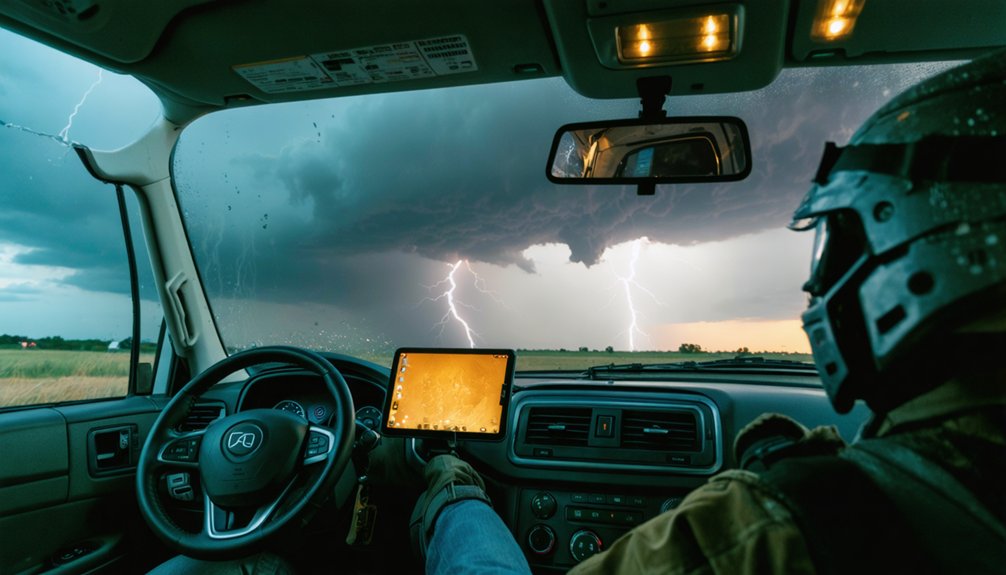
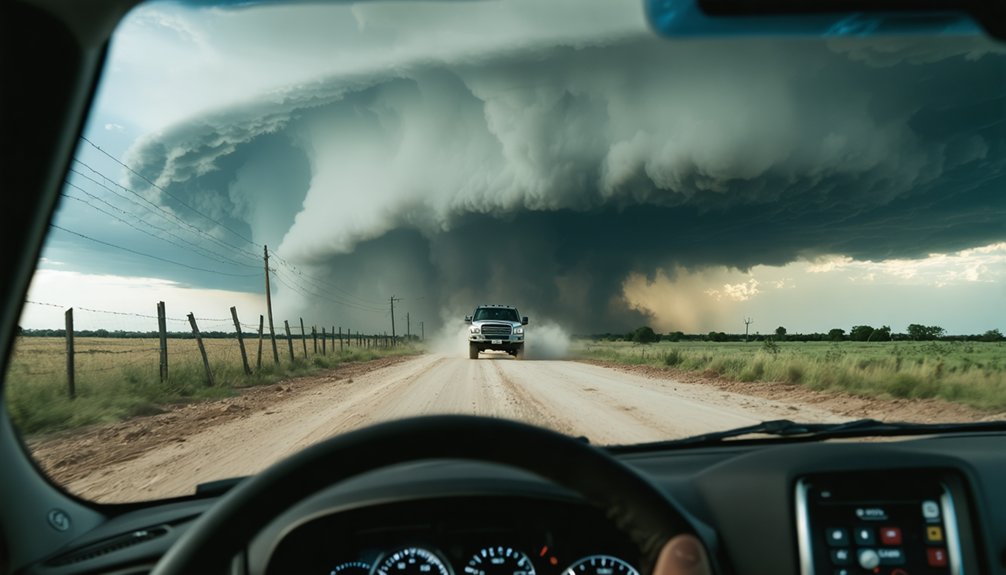
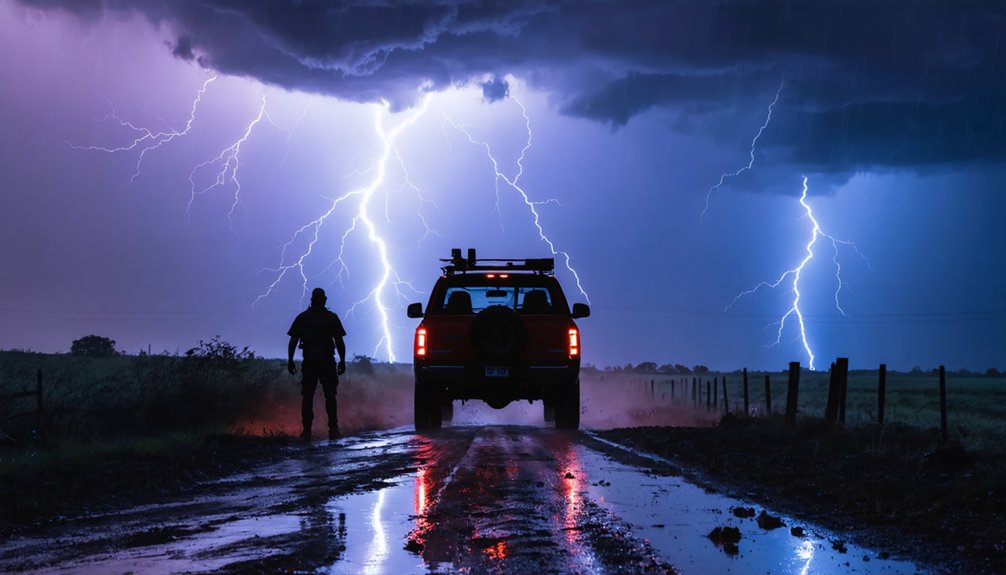
You’ll need to recognize that six hours of continuous driving degrades your cognitive performance to levels comparable to 0.05% BAC, manifesting as decreased reaction times and impaired decision-making. Combat this through strategic rest protocols that prioritize cognitive recovery over rigid schedules, while securing your vehicle setup to minimize distraction with properly mounted displays and voice controls. Understanding adrenaline’s masking effects on exhaustion becomes critical, as physiological warning signs like delayed reactions reveal cognitive decline that temporary stress hormones conceal. The following sections explore these protocols in depth.
Key Takeaways
- Recognize fatigue warning signs including microsleeps, lane drift, impaired hazard recognition, and irritability before performance deteriorates to dangerous levels.
- Implement strategic rest protocols during multi-day chases, prioritizing efficient gas station stops and selecting hotels that maximize cognitive recovery overnight.
- Understand that adrenaline temporarily masks exhaustion without restoring energy reserves, creating significant crash risk when stress subsides after chase events.
- Monitor physiological warning signs like delayed reactions, impaired decision-making, and difficulty focusing that reveal cognitive decline despite feeling alert.
- Maintain flexibility over rigid schedules, allowing weather conditions to dictate movement and preventing fatigue from forcing unsafe driving decisions.
Recognizing How Extended Driving Sessions Impact Storm Chasers
While storm chasers focus intensely on atmospheric conditions and intercept strategies, they often underestimate how prolonged driving degrades their cognitive and physical capabilities. Extended pursuit sessions create cumulative day over day exhaustion that compounds with each consecutive chase.
You’ll experience decreased reaction times, impaired decision-making, and reduced situational awareness—critical deficits when traversing rapidly changing weather conditions and unfamiliar terrain.
Fatigue warning signs include microsleeps, difficulty maintaining lane position, delayed hazard recognition, and increased irritability. After six hours of continuous driving, your performance deteriorates comparably to operating at 0.05% blood alcohol concentration.
Multi-day chase sequences amplify these effects, creating dangerous conditions where you’re simultaneously managing severe weather threats while operating in a cognitively compromised state. Recognition precedes mitigation.
Strategic Rest Breaks During Multi-Day Chase Operations
Understanding fatigue’s cognitive impacts means little without implementing practical countermeasures during active operations. You’ll face 5-10 hours daily in adverse conditions, demanding strategic rest stop locations that balance efficiency with physiological needs. While Intercept Mode restricts stops to emergencies, Chase-Mode permits gas and bathroom breaks—use them. Your tolerance for irregular meals and disrupted hydration directly affects performance during multi-hour confinement.
Strategic rest stops aren’t luxuries during extended operations—they’re cognitive necessities that directly determine your effectiveness under sustained adverse conditions.
Critical rest protocols include:
- Pool resources at gas stations to minimize transaction time and maximize turnaround speed
- Utilize alternate facilities without hesitation; gender-specific restrooms become secondary to efficiency
- Discuss medical conditions pre-tour affecting bathroom frequency or proper meal planning for stamina
Evening debriefs and hotel selection prioritize recovery, ensuring you’re cognitively prepared for subsequent operations. Flexibility trumps rigid schedules when weather dictates movement.
Managing Post-Chase Return Trips and Hydroplaning Risks
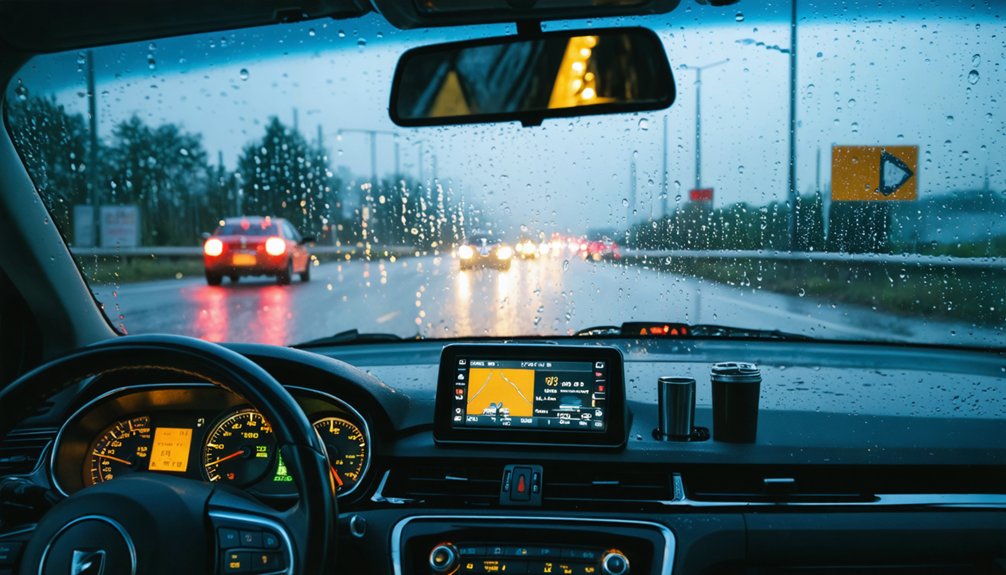
After successful storm interception, your cognitive resources face their greatest depletion during return trips when adrenaline subsides and cumulative fatigue peaks. You’ll maximize safety by pre-assessing escape routes before chase initiation, factoring SPC risk categories into your maximum range calculations.
Avoid unpaved roads after precipitation events—they’ll compromise vehicle control and extend your exposure to exhaustion.
Hydroplaning prevention demands ideal tire pressure management and reduced speeds when you hear water spray from wheel wells. Steer clear of parallel puddles where tire-path water accumulates dangerously.
Your vehicle requires secure cargo stowage practices preventing shifting loads that distract during critical maneuvers. Maintain constant radar access through strongest available internet, but don’t fixate—road hazards like construction zones and downed power lines demand continuous visual monitoring throughout your autonomous return journey.
Understanding Adrenaline Masking Effects on Exhaustion Levels
During intense storm chasing, your body releases adrenaline that temporarily suppresses fatigue perception, creating a false sense of sustained energy while exhaustion accumulates beneath the surface.
You’ll need to recognize physiological warning signs—including delayed reaction times, impaired decision-making, and difficulty focusing—that indicate actual fatigue levels despite feeling alert.
This adrenaline-driven masking effect creates significant crash risk once the stress response subsides, typically manifesting as sudden, profound exhaustion that compromises your ability to safely complete the return drive.
Adrenaline’s Temporary Energy Boost
When a tornado appears on the horizon, your body’s fight-or-flight response floods your system with catecholamines—adrenaline and noradrenaline—that temporarily override fatigue signals in your brain. This sympathetic adrenal-medullary activation increases cardiac output, dilates skeletal muscle blood vessels, and enhances energy availability to critical systems. You’ll experience heightened alertness and sustained cognitive performance as dopamine release trends upward, masking underlying exhaustion.
However, this neurochemical storm creates a dangerous disconnect:
- Physical capacity remains unchanged despite feeling energized—your true exhaustion persists beneath the surface
- Noradrenaline reduces actual performance while perceived exertion stays normal, creating false confidence
- Post-adrenaline crashes follow as catecholamine effects fade, revealing accumulated fatigue and risking impaired decision-making
The boost enables you to chase actively but doesn’t restore depleted reserves.
Recognizing Hidden Fatigue Signs
Your body excels at deceiving you during active chases. Adrenaline surges create a biochemical mask that conceals true exhaustion levels during high-intensity storm encounters. You’ll experience cognitive overload patterns as sustained driving mirrors long-haul trucker fatigue—yet without obvious warning signs.
Watch for subtle behavioral shifts: irritability replacing focus, anxiety surfacing unexpectedly, or numbness toward genuine hazards. These indicators reveal masked cognitive decline that adrenaline temporarily suppresses.
The emotional toll from extreme weather manifests through learned helplessness when uncontrollable conditions persist across multi-day pursuits. Your mental resources deplete faster than physical cues suggest.
Back-to-back events compress decision-making windows while shortened sleep cycles (6-8 hours between 10 p.m.-1 a.m.) prevent adequate recovery. Pre-chase planning intensifies this load. Monitor for mental numbing—it signals dangerous exhaustion levels despite feeling alert.
Crash Risk After Chase
The adrenaline crash following storm intercepts creates a dangerous paradox: you’ll feel most capable when you’re least safe to drive. Your body’s stress response masks critical exhaustion indicators during pursuit, then dissipates rapidly once the threat passes. This sudden depletion compromises reaction times and decision-making precisely when you’re traversing unfamiliar roads in deteriorating conditions.
Critical post-chase vulnerabilities include:
- Disrupted sleep patterns from nighttime intercepts that prevent circadian recovery and amplify next-day impairment
- Compromised hydration levels from prolonged exposure and inadequate fluid intake, reducing cognitive function by up to 12%
- Delayed fatigue recognition as sustained adrenaline elevation suppresses pain perception and obscures physical strain accumulation
Your autonomy depends on recognizing these physiological realities. Monitor yourself objectively—elevated heart rate, shallow breathing, and lightheadedness signal immediate rest requirements.
Vehicle Setup Practices That Minimize Driver Distraction
Because storm chasing demands split-second navigational decisions while monitoring rapidly evolving weather conditions, you’ll need a vehicle setup that keeps critical information accessible without forcing your eyes off the road. Mount tablets and smartphones securely outside airbag deployment zones, positioning them within peripheral vision.
Install stream deck vehicle access controls for camera presets—left, right, zoom—eliminating manual adjustments during pursuit. Position your dash DSLR forward-facing while controlling the roof 360 camera remotely for thorough monitoring without head-turning.
Organize equipment to avoid blocking sightlines or pedal access, and secure laptops away from distraction paths. Integrate noise-controlled headsets for clear communication and maintain proper temperature regulation to prevent drowsiness.
Apply Rain-X treatments and anti-fog coatings to windows, ensuring visibility without wipers demanding attention during critical moments.
Planning Chase Schedules Around Peak Season Fatigue Factors

Strategic calendar planning reduces cumulative exhaustion by aligning chase windows with documented severe weather peaks while accounting for seasonal traffic patterns and recovery intervals. Target late May’s 30 documented big tornado days across two-week periods, avoiding May’s vacationer congestion through flexible May 15 starts when patterns prove unfavorable. You’ll maximize photogenic intercepts while maintaining ideal group sizes for vehicle coordination.
Plan two-week chasecations during late May’s peak tornado windows to balance photogenic intercepts with essential recovery time between storm clusters.
Evidence-based scheduling considerations:
- Book 5-10 day tours during late May-early June when Kansas statistics show highest success rates with 1-2 major events expected per two-week period
- Structure pre-chase workout regimens around cluster durations—nine events exceeded 120 minutes, requiring sustained physical readiness
- Plan northward June-July progression to South Dakota and Wyoming where slower-moving storms demand less aggressive driving
Two-week chasecations permit adequate recovery between tornado clusters while capturing statistically validated outbreak windows.
Frequently Asked Questions
What Are the Early Warning Signs of Dangerous Fatigue Levels While Chasing?
You’ll notice warning signs of distraction like lane drifting, delayed reactions, and zoning out. Watch for indicators of dehydration including dry eyes, muscle twitches, and difficulty focusing. These symptoms demand immediate action—pull over safely before they compromise your chase.
How Do Professional Chasers Handle Fatigue During Consecutive Multi-Day Operations?
Professional chasers combat circadian rhythm disruption and chronic sleep deprivation by rotating personnel during peak-intensity periods, securing mandatory 7-9 hour sleep blocks, scheduling 48-hour recovery leaves post-deployment, and implementing buddy systems that monitor fatigue indicators throughout consecutive operations.
Should Solo Chasers Follow Different Fatigue Management Protocols Than Teams?
“Two heads are better than one”—you’ll need stricter protocols solo since you lack crew coordination for monitoring attention lapses. Enforce 10-hour rest mandates, real-time fatigue detection, and detailed emergency planning to offset your 1.5x higher chronic fatigue risk.
What Role Does Caffeine Play in Safely Managing Alertness During Chases?
Caffeine intake levels of 75-150mg effectively counter sleep deprivation management during chases, but you’ll need proper hydration and rest breaks. Don’t exceed moderate doses—overconsumption causes crashes, impaired judgment, and dangerous overconfidence when conditions demand sharp decision-making.
Are There Legal Liability Concerns When Fatigue Causes Chase-Related Accidents?
“An ounce of prevention beats a pound of cure”—yes, you’ll face serious legal liability when fatigue causes accidents. Your legal duty of care requires alert driving, and liability insurance considerations include potential coverage denial for negligent drowsy driving.