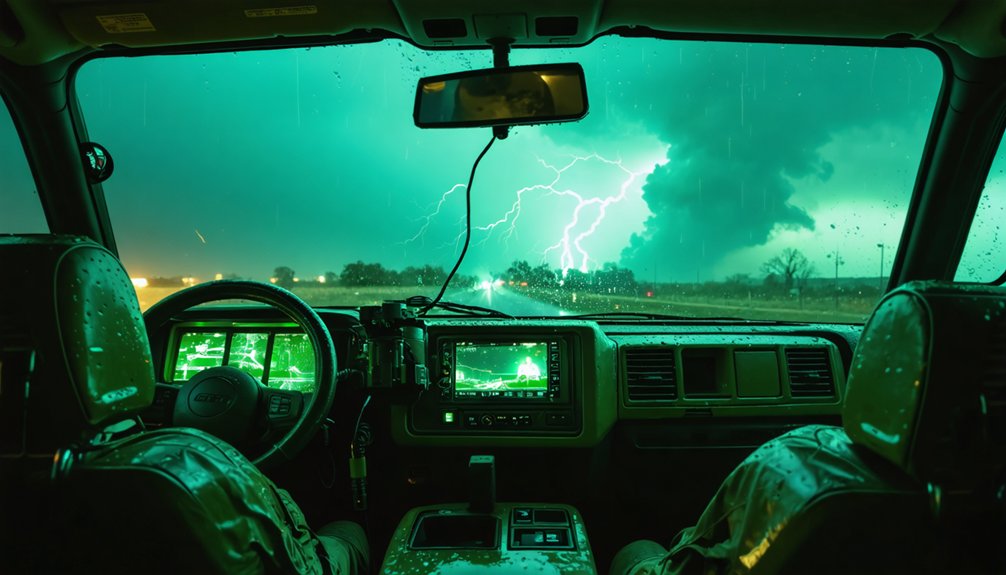
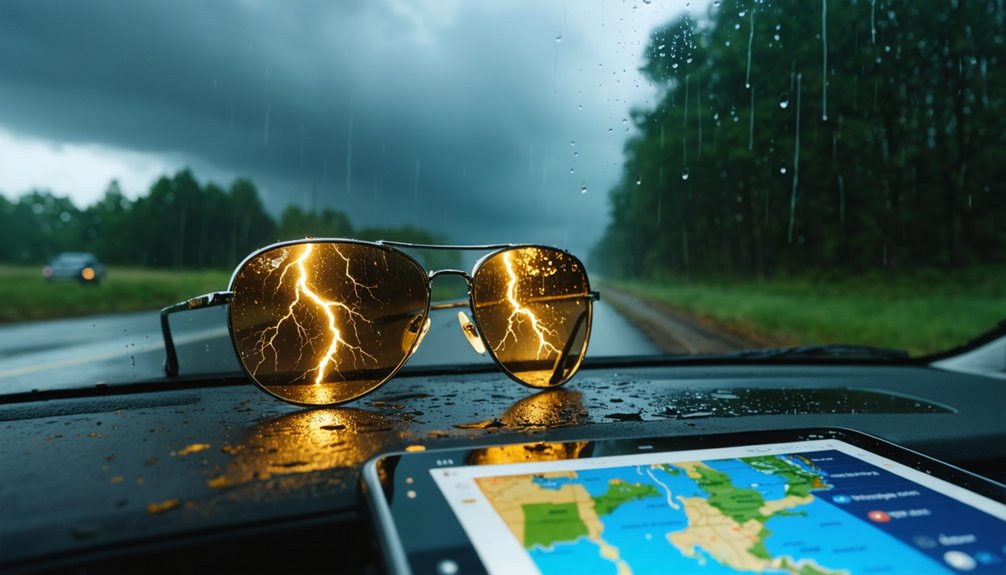
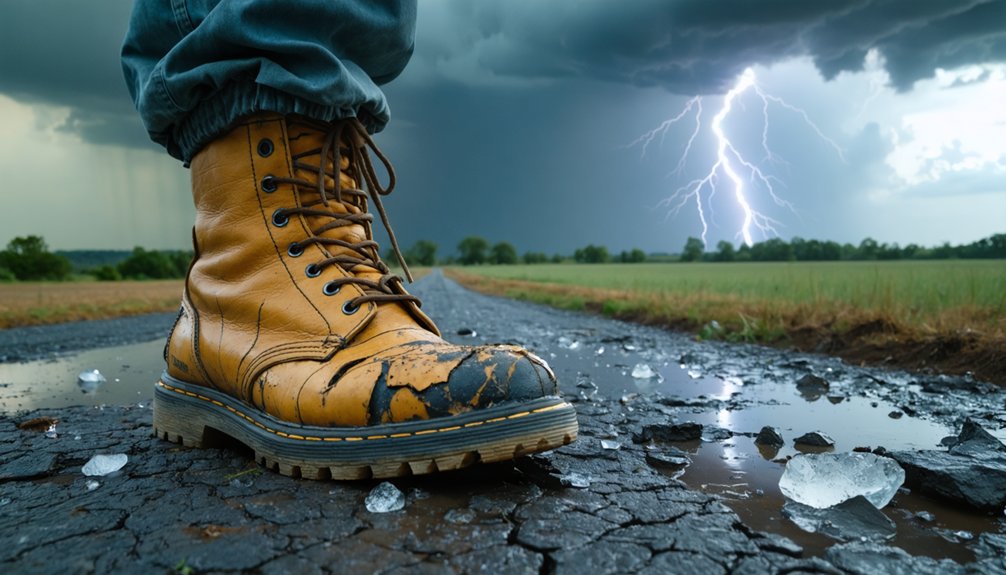
When storm chasing, you’ll need seven critical safety gear options: trauma-grade first aid kits, full-size spare tires, an AED for cardiac emergencies, ANSI reflective vests, hail goggles with helmets, a weatherproof layering system, and RadarScope Pro for high-resolution NEXRAD radar data. Each piece of equipment directly addresses a documented field risk, from debris impact to remote medical emergencies. Stick around—there’s far more technical detail ahead that could make the difference between a close call and a fatality.
Key Takeaways
- Full-size spare tires and fix-a-flat kits are essential for handling blowouts on remote, unpaved backroads during storm chases.
- RadarScope Pro and Baron Mobile Threat Net provide professional-grade, high-resolution radar data critical for real-time storm tracking.
- Trauma-grade first aid kits with tourniquets, compression bandages, and AEDs address life-threatening emergencies in isolated locations.
- Weatherproof layering systems, hail goggles, helmets, and slip-resistant shoes protect chasers from debris and shifting conditions.
- Two-way radios, satellite phones, and signal boosters maintain reliable team communication when cellular networks fail during chases.
Storm Chasing Safety Gear That Has Saved Lives
Storm chasing has claimed lives, but the right safety gear has proven to be the difference between a close call and a fatality.
First aid kits, full-size spare tires, and emergency defibrillators are no longer optional — they’re critical components of well-stocked survival kits that experienced chasers rely on daily.
Reflective ANSI vests, hail goggles, and helmets have directly prevented injuries during high-risk deployments.
Safety training amplifies every piece of gear you carry, teaching you when and how to use it under pressure.
Data consistently shows that chasers who combine proper equipment with structured safety training substantially reduce their risk exposure.
You’re not invincible in the field, but you’re considerably better protected when preparation becomes your standard operating procedure.
Best Protective Clothing for Storm Chasers
Protective clothing functions as your first line of defense against the volatile conditions storm chasing consistently delivers.
Protective clothing stands between you and whatever violent conditions the atmosphere decides to throw your way.
You’ll need weatherproof layering systems that adapt quickly as conditions shift from hot and muggy to cool and dry. Convertible zip-off pants handle that change efficiently.
Prioritize protective fabric technologies offering moisture resistance, breathability, and durability. A waterproof jacket and slip-resistant shoes are standard operational requirements.
Add lightweight wind jackets for light rain and cool temperatures.
Visibility matters equally. Wear your ANSI reflective traffic vest during nighttime chases or high-traffic deployments.
Safety glasses and work gloves shield you from airborne debris. In active hail cores, a helmet and hail goggles aren’t optional—they’re essential protective measures that directly reduce your injury risk.
In-Vehicle Storm Chasing Safety Gear You Shouldn’t Drive Without
Once you’re behind the wheel, your vehicle becomes your command center and your last line of defense.
You’ll need emergency roadside essentials — a first aid kit, fix-a-flat, air pump, road flares, and a full-size spare tire — to handle mechanical failures in remote areas with no nearby assistance.
Pair that with real-time radar tools like RadarScope Pro, a GPS navigation system, paper maps as backup, and a reliable internet connection via cellular or USB modem to keep your situational awareness sharp while on the move.
Emergency Roadside Safety Essentials
Every storm chaser should carry five roadside safety essentials: a first aid kit, full-size spare tire, fix-a-flat, portable air pump, and road flares. Unpredictable terrain and severe weather demand reliable tire repair solutions and visible roadside flares to keep you mobile and safe.
- First aid kit: treat injuries from debris or accidents immediately
- Full-size spare tire: handles serious blowouts on remote backroads
- Fix-a-flat: rapid temporary tire repair for minor punctures
- Portable air pump: restores proper tire pressure anywhere
- Roadside flares: signals your position during nighttime or low-visibility emergencies
These five items aren’t optional — they’re operational necessities.
When you’re 40 miles down a dirt road with a supercell closing in, having the right gear means staying independent and in control.
Navigation And Communication Tools
Maneuvering a fast-moving supercell requires more than instinct — you need real-time data, reliable positioning, and uninterrupted communication to stay ahead of it.
Pair navigation apps like RadarScope Pro with dedicated mapping software for accurate storm-relative positioning. GPS accuracy matters when you’re repositioning under a rotating wall cloud — don’t rely solely on cellular-dependent systems.
Integrate satellite communication devices like Garmin inReach for areas with zero cell coverage. Two-way radios keep your team coordinated when networks fail. Tracking systems let your emergency contacts monitor your location continuously, adding a critical safety layer.
Maintain redundant internet connections — Verizon and AT&T hotspots together maximize coverage.
Real-time updates from Baron Mobile Threat Net give you the situational awareness needed to chase smart, not recklessly.
Must-Have Emergency Gear for Storm Chasers
When chasing storms, you need to carry a well-stocked first aid kit alongside critical roadside safety essentials like road flares, fix-a-flat, an air pump, and a full-size spare tire.
Emergency medical supplies become non-negotiable when you’re operating in remote areas far from immediate medical response.
You’ll also want a flashlight and defibrillator on hand, as storm chasing environments can escalate from routine operations to life-threatening situations within seconds.
Emergency Medical Supplies
Storm chasing puts you miles from the nearest hospital, so carrying the right emergency medical supplies isn’t optional — it’s an operational necessity. Your first aid kit should handle trauma-level injuries, not just minor cuts.
Medical kits built for field operations give you autonomy when emergency responders can’t reach you fast enough.
- Trauma-grade first aid kit with tourniquets, compression bandages, and hemostatic gauze
- AED (automated external defibrillator) for cardiac emergencies in remote locations
- Emergency mylar blankets for shock management in cold or wet conditions
- Nitrile gloves and CPR face shields for safe patient contact
- Prescription medications, EpiPen, and personal medical documentation in a waterproof case
Your medical kit is your last line of defense when infrastructure fails and distance works against you.
Roadside Safety Essentials
Roadside breakdowns during active chase sequences carry consequences that go well beyond inconvenience — a flat tire on a flooded county road or a dead battery in a hail core can turn a manageable situation into a life-threatening one.
Pack a full-size spare, fix-a-flat, and a portable air pump to execute tire repair techniques quickly without roadside exposure. Road flares are non-negotiable; follow roadside flare tips like positioning them 200–300 feet behind your vehicle on high-speed rural roads.
Carry jumper cables or a lithium jump starter for electrical failures. Road flares, reflective triangles, and your ANSI vest maximize your visibility to other chasers and emergency responders in low-light or storm-darkened conditions.
Preparedness here keeps you mobile and mission-capable.
Best Weather Monitoring Tools for Storm Chasers
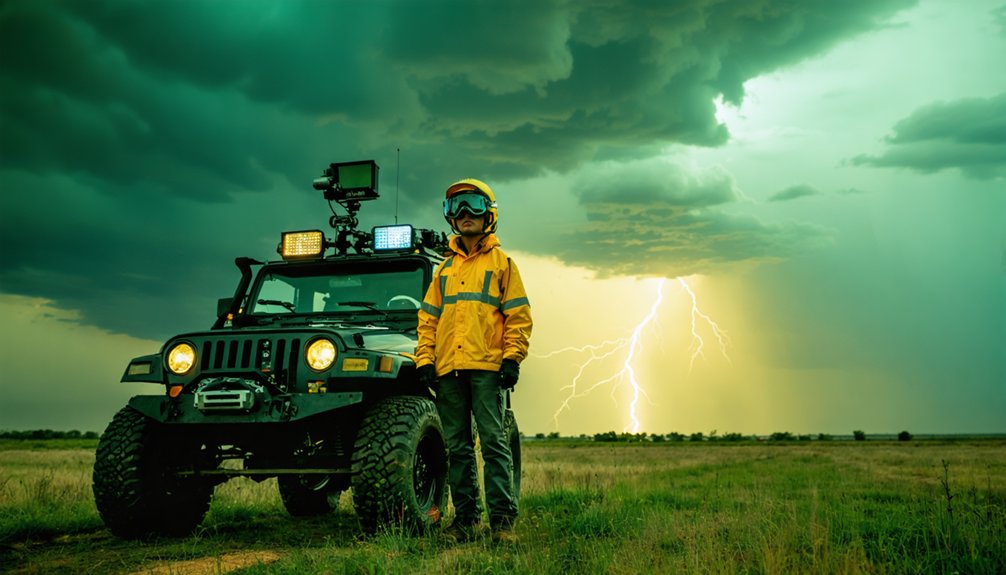
Accurate real-time weather data separates a calculated chase from a dangerous gamble. You can’t afford lag when a tornado’s path shifts in seconds. Investing in reliable weather radar and storm tracking tools keeps you informed and mobile.
In storm chasing, real-time data isn’t optional — it’s the difference between calculated pursuit and fatal miscalculation.
Here’s what you need in your setup:
- RadarScope Pro – high-resolution dual-pol radar with NEXRAD data
- Baron Mobile Threat Net – professional-grade weather radar favored by broadcast meteorologists
- Kestrel Weather Meter – measures wind speed, humidity, and barometric pressure instantly
- Thor Guard Lightning Detector – provides early strike warnings before storms intensify
- USB cellular modem – maintains internet connectivity when cell signals weaken during active storm tracking
These tools transform raw atmospheric data into actionable decisions, keeping you one step ahead.
Storm Chasing Communication Gear That Keeps You Connected
Losing communication mid-chase isn’t just inconvenient—it’s life-threatening. You need redundant systems: two-way radios for team coordination when cell networks fail, satellite phones for dead zones, and signal boosters to maximize coverage in rural corridors.
Install communication apps like Zello or GroupMe for real-time updates and seamless data sharing across your crew. Always establish communication protocols before deployment—designated check-in intervals, fallback frequencies, and emergency alert triggers keep everyone accountable.
Integrate weather emergency alerts through NOAA-compatible receivers so you’re never blindsided by rapid storm evolution. Prioritize device charging solutions: dual USB inverters, power banks, and solar chargers guarantee your equipment stays operational during extended chases.
Independent systems aren’t redundant—they’re essential. Your freedom to chase safely depends entirely on staying connected.
Storm Chasing Gear Priority List for Beginners and Budget Chasers
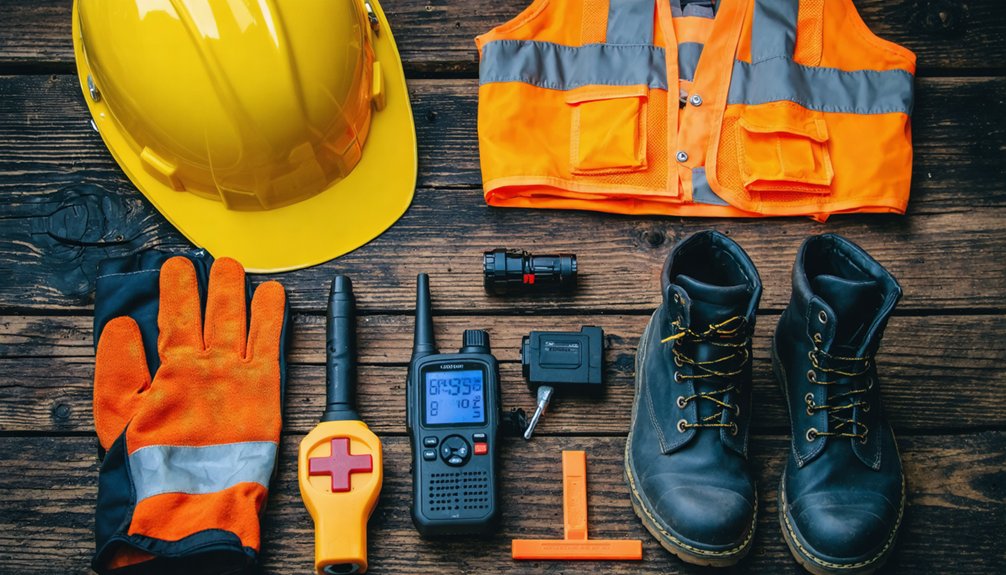
Starting with 3 core priorities cuts through the noise for budget chasers: a reliable vehicle with adequate tires, a weather radar app like RadarScope Pro, and a basic first aid kit.
These storm chasing essentials keep you mobile, informed, and prepared without draining your wallet.
Build your budget gear list strategically:
- Vehicle: AWD/4WD with mud tires for traction control
- Radar app: RadarScope Pro delivers real-time storm data
- First aid kit: Include bandages, tourniquets, and emergency supplies
- Protective clothing: Waterproof jacket, slip-resistant shoes, reflective vest
- Communication: Two-way radio for reliable team coordination
You don’t need expensive setups to chase responsibly.
Prioritize function over flash, and scale your kit as experience grows.
Frequently Asked Questions
How Do Storm Chasers Stay Mentally Prepared for Dangerous Weather Situations?
Just as storms brew unpredictably, so do your emotions. You’ll build emotional resilience through mindfulness techniques, debriefing sessions, and scenario training, keeping your mind sharp, focused, and decisively free when nature’s fury demands your clearest thinking.
What Insurance Coverage Do Professional Storm Chasers Typically Carry for Protection?
You’ll need specialized insurance types like commercial auto, liability, and equipment coverage. Make certain your coverage limits reflect gear value and high-risk operations, protecting your freedom to chase without financial devastation from vehicle damage or third-party claims.
Are There Legal Permits Required for Storm Chasing in Certain States?
Most states don’t require storm chasing regulations or state-specific permits. You’re free to chase, but you must obey traffic laws, avoid restricted zones, and respect private property to maintain your operational freedom.
How Do Beginners Find Experienced Mentors in the Storm Chasing Community?
Like Tim Samaras, who mentored others through field experience, you’ll find experienced storm chasing mentors by joining storm chasing forums like Stormtrack and community networking at events such as the annual Severe Storms and Doppler Radar Conference.
What Physical Fitness Level Is Recommended for Storm Chasers in the Field?
You’ll need solid cardiovascular fitness for storm chasing. Prioritize endurance exercises like running and hiking to build stamina. Consistent fitness training guarantees you’re ready for rapid deployments, extended field operations, and physically demanding emergency situations requiring quick, decisive action.
References
- https://www.youtube.com/watch?v=3GlPEfCqqL0
- https://stormtrack.org/threads/recommended-chaser-equipment-list.23013/
- https://store.sirui.com/blogs/guides/essential-equipment-for-storm-chasing-guide-for-2025
- https://www.stormtours.com/information/must-bring-items/
- https://www.benholcomb.com/storm-chasing/equipment/
- https://svinews.com/2024/featured/97765/things-every-storm-chaser-needs-in-their-truck/