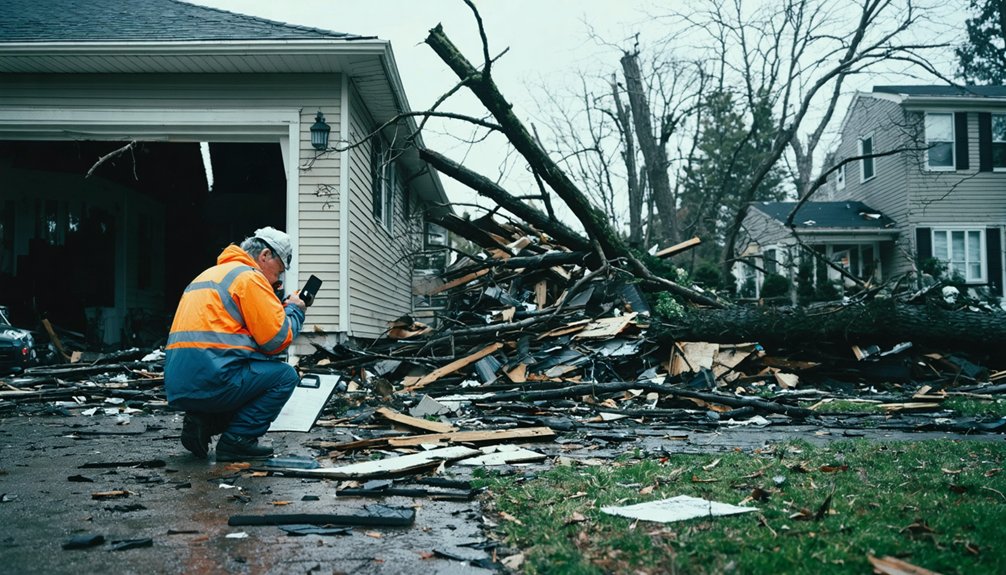
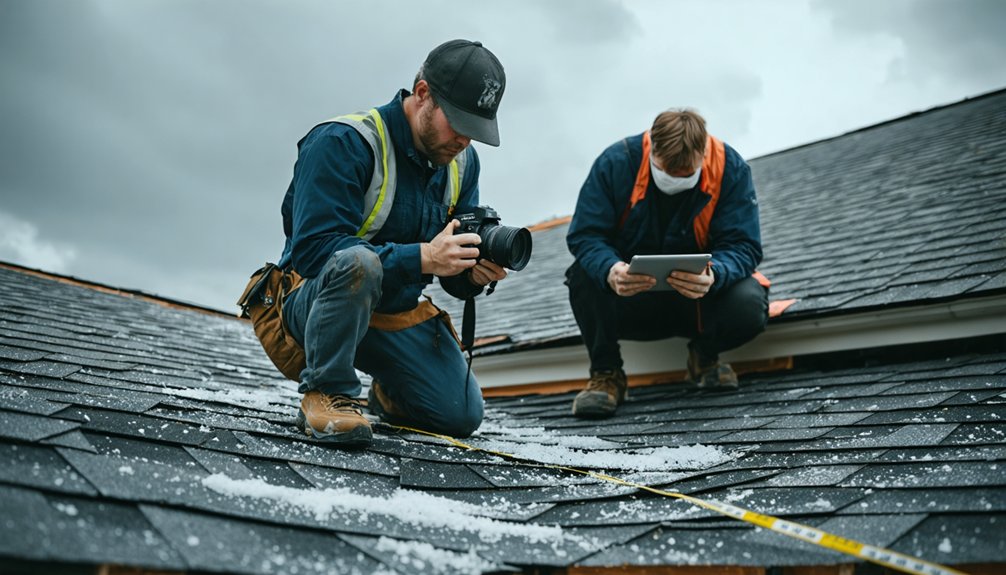
When documenting hurricane damage, you’ll need to act fast and stay organized. Before entering, confirm structural safety, then photograph all exterior and interior damage before touching anything. Catalog damaged contents with serial numbers, purchase dates, and estimated values. Keep every receipt for mitigation work, organize your files digitally with clear labels, and submit a complete Proof of Loss with timestamped evidence. The details ahead will sharpen your entire claims strategy.
Key Takeaways
- Before entering, confirm structural integrity, then photograph all damage before removing debris or making any repairs.
- Capture exterior and interior photos from multiple angles in natural daylight, timestamping every image.
- Create a room-by-room inventory of damaged contents, noting serial numbers, purchase dates, and estimated values.
- Organize all files—photos, receipts, estimates, and policy documents—into clearly labeled, password-protected cloud folders.
- Submit a signed Proof of Loss form with timestamped photos, contractor estimates, and mitigation receipts to your insurer.
Secure the Property Before You Document Hurricane Damage
Before you document a single crack or water stain, you need to confirm the structure is safe to enter. Compromised structural integrity puts you at immediate collapse risk, so verify load-bearing walls, ceilings, and beams are stable before stepping inside.
Safety before documentation — always confirm structural integrity before stepping inside a storm-damaged building.
Once you’ve confirmed safety, prioritize temporary mitigation. Board up broken windows, seal open roof sections with tarps, and address any active water intrusion points. These steps protect your right to recover losses without compounding damage.
Don’t begin debris removal until you’ve photographed everything in its post-storm condition. That visual evidence is critical for your insurance claim.
Keep every receipt for materials and labor used during mitigation. Document each repair step, material type, and time spent to validate your claim with precision.
Photograph Hurricane Damage Correctly Inside and Out
Once your property’s secured and temporary repairs are in place, it’s time to build your visual evidence record.
Start outside by walking all four sides, photographing the roofline, siding, gutters, and foundation. Vary your camera angles—wide shots establish context, close-ups capture specific impact points. Lighting conditions matter: shoot in natural daylight and avoid harsh shadows that obscure damage detail.
Move inside and photograph ceilings, walls, floors, and windows systematically. Document water stains, warping, pooling, and moisture lines at floor junctions. Record interior humidity readings alongside time-stamped photos.
Use consistent file naming conventions like “2023-09-10_Roof_Damage_Wide.jpg” and organize everything into clearly labeled folders.
Upload all media to a secure cloud platform, ensuring your insurer has immediate, unrestricted access to every file.
Inspect Every Room for Interior Hurricane Damage
After securing the exterior, move through each room methodically, treating every space as its own inspection zone. Document every anomaly before touching anything—your evidence preserves your claim.
Move through each room methodically—every space is its own inspection zone and every anomaly deserves documentation before you touch anything.
Scan each room for these critical indicators:
- Wall cracks running diagonally from corners signal structural shifting—photograph every fracture immediately
- Ceiling stains with yellow or brown rings confirm active or prior water intrusion paths
- Check floors for warping, soft spots, or buckling that indicate moisture beneath surfaces
- Test windows and doors for broken seals, visible water entry marks, or frame separation
- Record humidity readings and flag any musty odors suggesting hidden mold growth
Time-stamp every photo and log each room separately. You’re building an airtight record that protects your right to full compensation—don’t skip a single space.
Build Your Hurricane Damage Contents Inventory Fast
Once you’ve completed your interior inspection, start building your contents inventory by moving room to room and cataloging every damaged item immediately.
For each item, record its name, purchase date, estimated value, and serial number or model number directly from the device label or original packaging.
Transfer all entries into a categorized spreadsheet organized by room and item type—such as electronics, furniture, or appliances—so your insurer can review a clear, structured record without ambiguity.
Categorize Items By Room
Categorizing your hurricane damage inventory by room is the fastest way to build a complete, claim-ready contents list without missing critical items. Move systematically through each space, documenting furniture arrangement and noting color fading on upholstery, walls, or flooring caused by water or sun exposure post-breach.
- The bedroom where your child slept — every toy, every piece of furniture, gone
- The kitchen you cooked family meals in — appliances, cookware, destroyed
- The living room furniture arrangement you spent years perfecting — collapsed or waterlogged
- The home office holding your livelihood — electronics, files, unrecoverable
- The garage storing tools that built your independence — flooded, rusted, lost
Log item names, quantities, estimated values, and purchase dates per room into a structured spreadsheet immediately.
Record Serial Numbers Quickly
With your room-by-room inventory mapped out, the next step is locking in serial numbers for every damaged appliance and electronic device before items get moved, discarded, or buried under debris. Quick recording prevents critical identification gaps that slow claim approvals and delay replacements.
Locate serial number plates on appliance backs, device undersides, or inside battery compartments. Photograph each label clearly, ensuring digits are fully legible. Cross-reference serial numbers against original receipts or manufacturer registration emails stored digitally.
For fast, accurate quick recording, use your phone’s barcode scanner or a dedicated inventory app that auto-populates model and manufacturer data. Enter each serial number directly into your categorized spreadsheet alongside item descriptions and estimated values.
Confirmed serial numbers give your insurer precise verification data, strengthening your claim’s credibility and accelerating your settlement timeline.
Organize Spreadsheet Inventory Fast
Your serial numbers, photos, and item descriptions are already captured, so now you’ll consolidate everything into a structured spreadsheet that transforms scattered data into a submission-ready contents inventory.
Organize columns by category, then link each row to your timestamped photos and insurance policies for seamless adjuster review.
Build each entry to include:
- Item name and category — electronics, furniture, clothing
- Purchase date and estimated value — reclaim what’s rightfully yours
- Serial number and model — undeniable proof of ownership
- Linked photo filename — visual evidence anchoring every claim
- Emergency contacts and contractor estimates — faster resolutions, faster recovery
Save the spreadsheet in your organized cloud folder, zip attachments, and submit directly through your insurer’s portal without delay.
Organize Your Hurricane Damage Evidence Digitally
Once you’ve gathered your hurricane damage evidence, organizing it digitally guarantees faster claim processing and reduces the risk of lost or misplaced files. Structure your digital storage using clearly labeled folders: Policy Docs, Photos & Videos, Receipts, Estimates, and Proof of Loss.
Name every file with a date and descriptor, such as “2023-09-10_Roof_Damage_Wide.jpg,” so adjusters locate specific evidence instantly. Compress large media files into ZIP archives before uploading to your insurer’s portal.
Activate cloud backup immediately to protect files against device failure or secondary storm damage. Use a secure, password-protected cloud platform to maintain control over sensitive claim data.
Share access via encrypted links rather than unsecured email attachments. Confirm your insurer received all submitted files and log that confirmation with a timestamp in your central claim record.
File Your Hurricane Damage Insurance Claim Completely
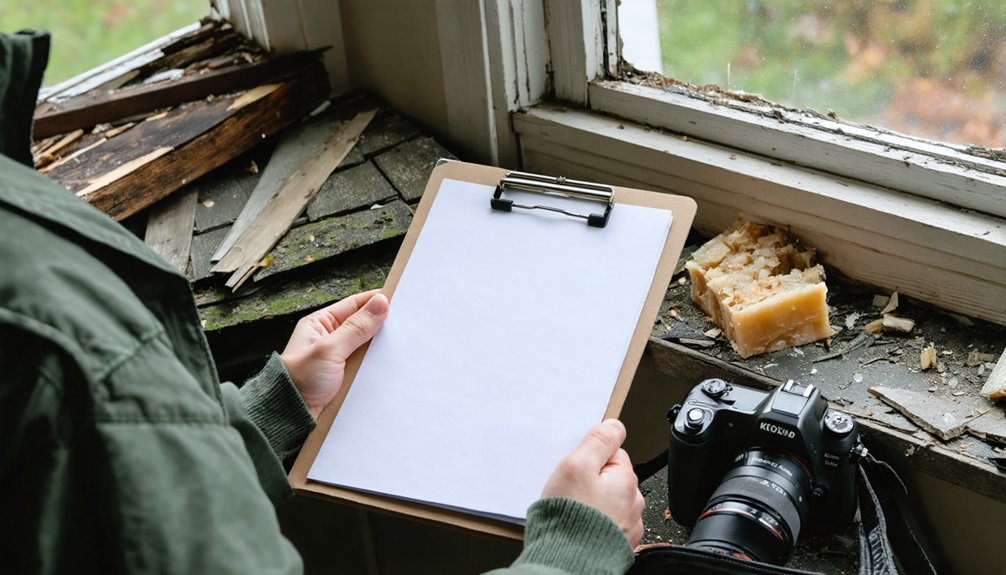
Filing your hurricane damage insurance claim completely requires immediate action—contact your insurance agent as soon as it’s safe to do so, report the loss, and secure your claim number before taking any additional steps.
Review your insurance policy carefully, noting claim deadlines to protect your right to compensation.
Compile and submit these critical components:
- Proof of Loss form completed accurately and signed
- Time-stamped photos and videos documenting all interior and exterior damage
- Contractor estimates supporting your repair and replacement costs
- Receipts for temporary mitigation materials and emergency labor
- Adjuster’s name, claim number, and correspondence log for accountability
Submit everything through your insurer’s designated portal or email.
Follow up immediately to confirm document receipt and respond promptly to any outstanding information requests.
Hurricane Documentation Mistakes That Get Claims Denied
Even small documentation errors can get your hurricane damage claim denied, delayed, or underpaid—so understanding where claimants commonly fail is as critical as knowing what to document correctly.
Don’t let hurricane myths mislead you—one common post storm rumor falsely suggests verbal damage reports suffice without written confirmation. They don’t. Insurers require documented proof, not verbal accounts.
Avoid these critical mistakes:
- Delaying photography before making temporary repairs, destroying claim evidence
- Skipping receipts for mitigation materials, which invalidates reimbursement requests
- Missing file organization, forcing adjusters to reject incomplete submissions
- Omitting timestamps on photos, creating disputes about pre-existing versus storm damage
- Failing to follow up after submission, letting claims stall indefinitely
Precision, documentation discipline, and skepticism toward unverified post storm rumors protect your financial recovery rights completely.
Frequently Asked Questions
Can I Hire a Public Adjuster to Help Document Hurricane Damage?
Yes, you can hire a public adjuster to assist with damage documentation. They’ll methodically assess your property, compile evidence, and advocate independently on your behalf, ensuring you’re not constrained by insurer-controlled assessments alone.
How Long Does an Insurance Company Have to Settle My Claim?
Settlement timelines vary by state, but you’re protected by strict policy deadlines and claim deadlines insurers must meet. Review your policy, know your state’s regulations, and follow up aggressively to guarantee your rights aren’t violated.
What Happens if My Insurer Denies My Hurricane Damage Claim?
Your rights stand firm even when your insurer doesn’t. Fight an insurance denial by reviewing your claim documentation, filing a formal appeal, requesting a re-inspection, and escalating to your state’s insurance commissioner if needed.
Does My Standard Homeowners Policy Cover All Hurricane-Related Flood Damage?
Your standard homeowners policy doesn’t cover hurricane-related flood damage. Flood coverage requires a separate policy. Review your policy exclusions carefully, as standard plans typically exclude rising water, storm surge, and overflow damage entirely.
Should I Accept the First Settlement Offer From My Insurance Company?
Don’t you dare accept the first offer—it’s almost never your best outcome. You should engage in claim negotiation, review all estimates, and understand the full settlement process before you sign anything away.
References
- https://neptuneflood.com/blog/document-hurricane-and-flood-damage/
- https://nationalgeneral.com/about-us/news-and-blog/hurricane-safety-checklist
- https://nicsrestoration.com/essential-hurricane-insurance-claim-documentation-checklist/
- https://www.accg.org/docs/HURRICANE CHECKLIST.pdf
- https://www.palmbld.com/tools/storm-damage-assessment
- https://www.mcieast.marines.mil/Portals/33/Documents/IEM/Camp-Lejeune/150929-MCB-CLJ-Hurricane-Preparedness-Checklist.pdf
- https://roofpredict.com/blog/a-homeowners-storm-damage-records-folder-checklist