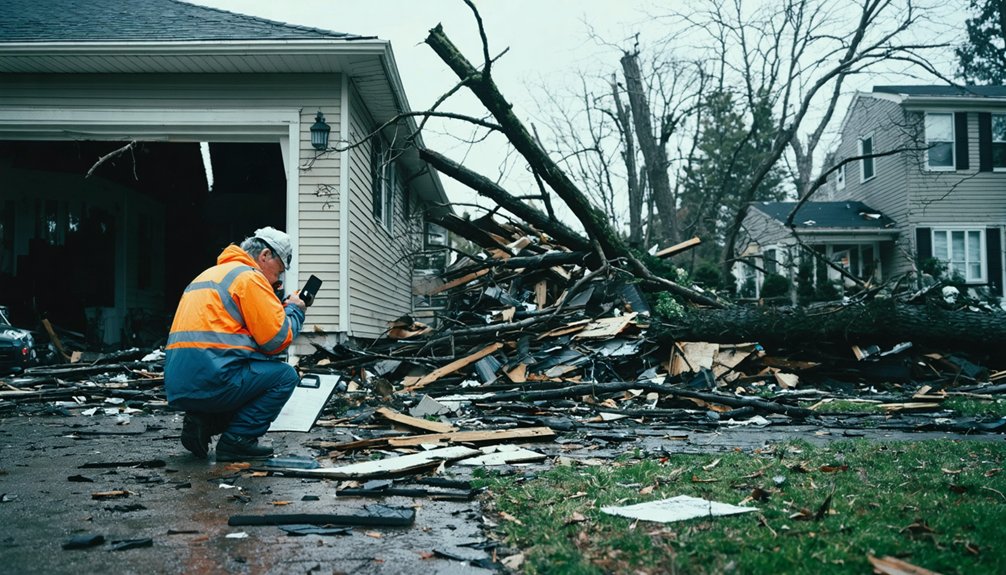
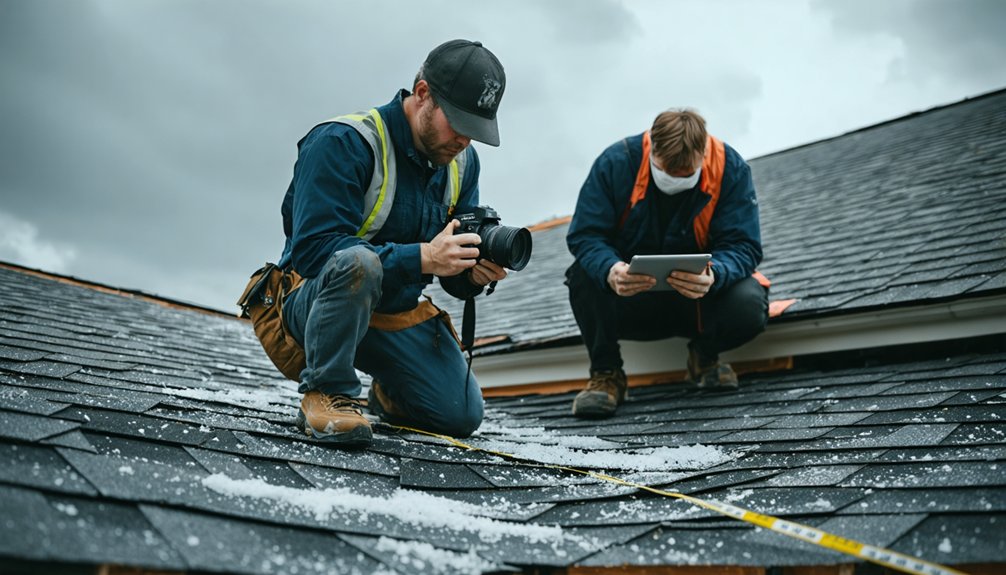
When documenting storm vehicle damage, you’ll want to photograph every angle before touching anything, preserving dents, scratches, and debris exactly as the storm left them. Next, protect your original photo metadata by avoiding edits, filters, or timestamp alterations, since insurers use this data to verify your claim’s timing and location. Finally, back up everything immediately to multiple cloud platforms and request an official storm report from NOAA. There’s a lot more to getting each of these steps right.
Key Takeaways
- Capture wide-angle and close-up photos from all directions before disturbing any vehicle parts or debris.
- Record a continuous video walkthrough with real-time narration to provide thorough, verified damage context.
- Preserve original, unedited files with intact metadata and back them up immediately to cloud storage.
- Request official storm reports from NOAA to cross-reference with your timestamped photographic evidence.
- Act promptly after storm damage occurs to prevent data loss, disputes, or weakened insurance claim credibility.
Photograph Every Angle of Storm Damage Before Touching Anything
Before you touch anything, capture wide-angle shots of the entire vehicle from every cardinal direction to establish the full scope of visible damage. This foundational damage assessment step guarantees no affected area gets overlooked before recovery begins.
Shift to close-up photography techniques for every dent, scratch, cracked glass panel, and damaged trim component. Document the interior too — photograph the dashboard, headliner, carpets, seats, and door seals if water or impact intrusion occurred.
Keep all items in their raw condition. Don’t pop dents, tape glass, or disturb debris before photographing. Round hail marks on the hood, roof, and trunk panels are measurable evidence of storm intensity that adjusters rely on.
Record a continuous video walkthrough to narrate what you’re observing, reinforcing your still photography with real-time verbal verification.
Protect Your Photo Timestamps and Original Metadata for Your Claim
Once you’ve captured every angle of the damage, those photos are only as strong as the metadata behind them. Digital metadata embedded in your image files records the exact date, time, and location of each shot — and that data is your independent verification layer.
Back up every file to cloud storage immediately, before opening or transferring images through any editing software. Even minor post-processing strips or alters timestamp preservation data, weakening your claim’s credibility. Keep originals untouched and unfiltered.
If your smartphone’s metadata is unavailable or unreliable, manually log the date, time, and location for each photo in a separate written record.
Organize your files into clearly labeled folders by damage zone. Every detail you lock down now protects your claim later.
Back Up Your Evidence and Request an Official Storm Report Immediately
After securing your documentation, back up every photo and video to cloud storage immediately — don’t wait until you’ve reviewed or organized the files. Upload to multiple platforms to guarantee redundant digital preservation before any device failure or accidental deletion can compromise your insurance claims.
Simultaneously, request an official storm event report from NOAA or your local National Weather Service office. This report independently establishes weather causation, removing any insurer’s ability to dispute whether a qualifying storm event actually occurred at your location and time.
Cross-reference the report’s recorded storm date and intensity against your timestamped evidence. When both sources align, your documentation becomes a coherent, verifiable package.
Don’t allow gaps between evidence collection and backup — every hour of delay increases your vulnerability to data loss and claim disputes.
Frequently Asked Questions
Should I Keep Damaged Vehicle Parts Removed During Emergency Temporary Repairs?
Yes, you should retain all removed parts during temporary repair procedures. Store them in labeled bags as vehicle part storage evidence, keeping them unaltered so your adjuster can verify storm damage and support your insurance claim independently.
Can a Neighbor’s Eyewitness Account Support My Vehicle Damage Insurance Claim?
Yes, neighbor testimony strengthens your claim considerably. You’ll want written eyewitness confirmation detailing exactly what they observed, including time, weather conditions, and vehicle position. Pair their statement with your timestamped photos for maximum evidentiary impact.
What Financial Records Should I Retain for Storm-Related Vehicle Towing Expenses?
Like a paper trail blazing your path to freedom, retain every towing receipt as claim documentation. You’ll need insurance policies reviewed, invoices dated, and payment confirmations saved to substantiate your storm-related vehicle towing expenses effectively.
Are Serial Numbers on Damaged Vehicle Components Necessary for Insurance Verification?
Yes, you’ll want serial number documentation for major damaged components, as it’s critical for insurance verification. It confirms ownership, prevents fraud, and strengthens your claim’s credibility, ensuring you’re fully compensated without unnecessary disputes.
Should I Consult My Insurer Before Signing Any Vehicle Remediation Service Agreement?
Over 40% of claim disputes stem from unauthorized repairs. Yes, you should consult your insurer before signing any vehicle remediation agreement—it protects your insurance policy rights and keeps your claim process valid and dispute-free.
References
- https://palkerlaw.com/blog/top-tips-for-documenting-storm-damage-for-your-insurance-claim/
- https://www.fema.gov/press-release/20250416/how-document-damages-after-severe-weather-events
- https://dealerhailrepair.com/blog/how-to-properly-document-vehicle-damage-for-insurance-claims
- https://nationalstormrepair.com/storm-damage-documentation-best-practices
- https://kingslandsiding.ca/blog/storm-damage-documentation-calgary
- https://moore-firm.com/blog/how-to-document-storm-damage-for-a-successful-insurance-claim/
- https://rmlfs.co.uk/4308-2/