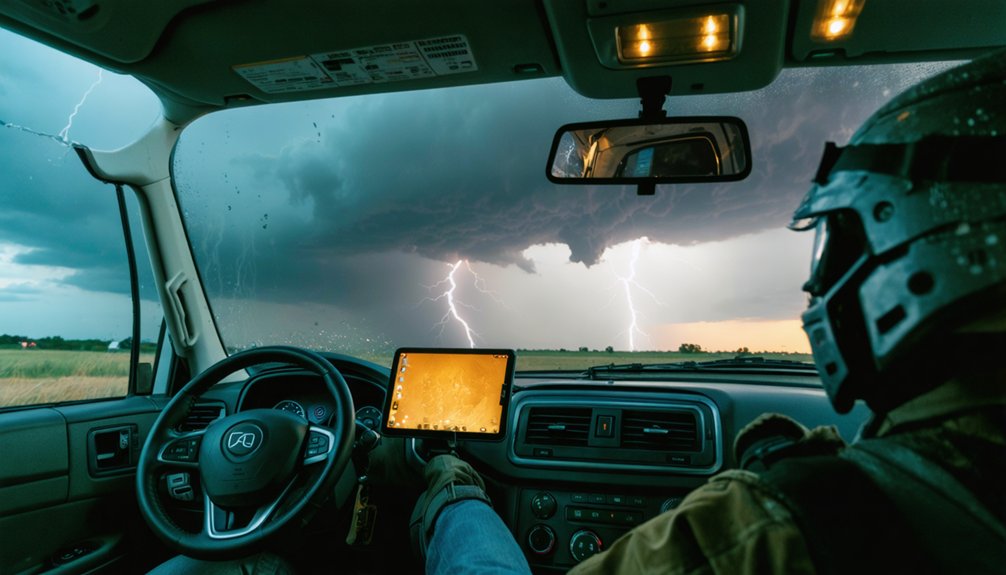
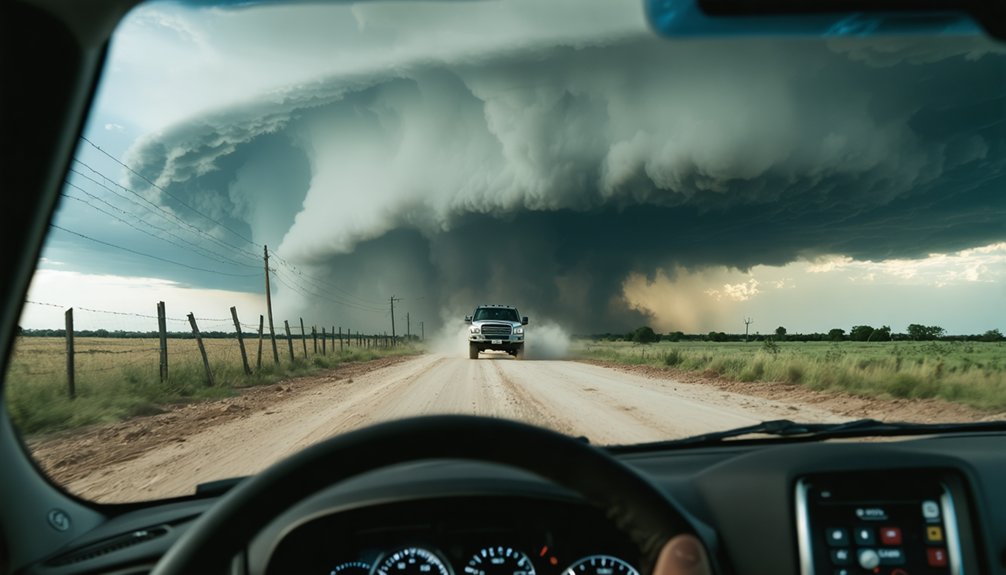
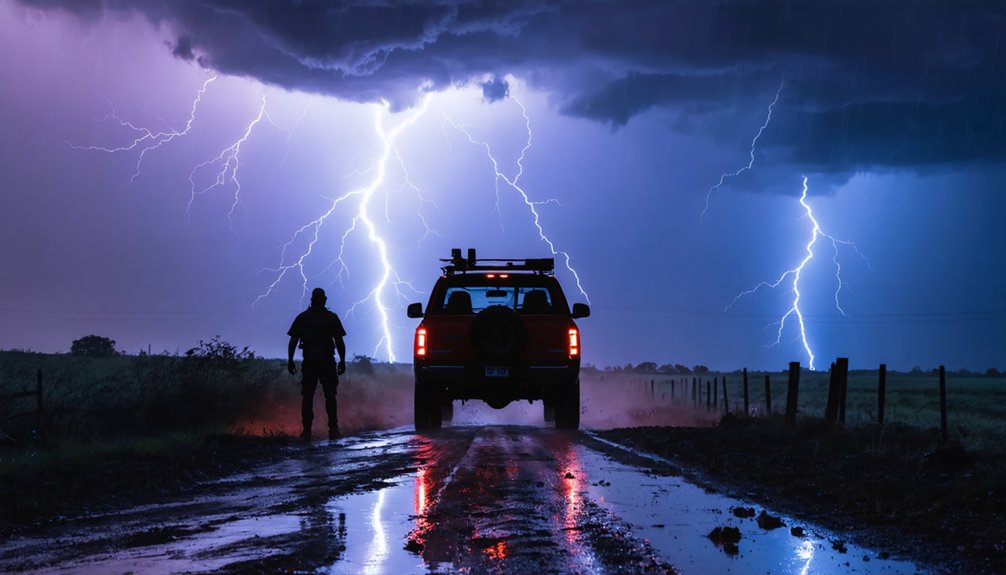
Storm chasing puts your body and mind under serious strain, so you’ll need to actively manage your health to stay safe. Pack calorie-dense foods, carry at least two liters of water, and eat every 3-4 hours to maintain sharp decision-making. Protect your sleep with consistent routines, use power naps strategically, and practice breathing techniques like 4-7-8 to manage acute stress. The sections ahead break down each essential health strategy in precise, actionable detail.
Key Takeaways
- Pack essential emergency supplies, including a first aid kit, food, water, fuel reserves, GPS navigation, and a reliable communication device.
- Maintain energy levels by eating calorie-dense, non-perishable snacks every 3-4 hours and carrying at least two liters of water.
- Protect sleep quality by anchoring consistent sleep windows, optimizing your sleep environment, and using short power naps between chases.
- Manage stress by monitoring symptoms like fatigue and irritability, practicing diaphragmatic breathing, and scheduling mindfulness check-ins every 90 minutes.
- Support physical and mental readiness through regular exercise, peer support networks, and limiting social media consumption between operations.
Why Storm Chasers Face Unique Health and Safety Risks
Storm chasing exposes you to a convergence of physical, psychological, and logistical stressors that few other professions replicate. As a storm chaser, your health faces threats that compound simultaneously: sleep deprivation, irregular nutrition, extreme weather exposure, and sustained adrenaline surges that strain your cardiovascular and nervous systems.
Unlike conventional occupations, you’re operating in environments where conditions deteriorate rapidly and unpredictably. The unique risks you encounter include cognitive impairment from fatigue, emotional dysregulation from repeated high-stress exposures, and physical vulnerability in remote locations with limited emergency access.
Recognizing these compounding factors isn’t optional—it’s operationally critical. Storm chaser health deteriorates progressively when these stressors go unmanaged, ultimately compromising your judgment, reaction time, and survival instincts during the moments that demand them most.
The Safety Gear Storm Chasers Need Before Heading Out
Before heading into the field, you must assemble a thorough emergency supply kit that includes a first aid kit, adequate food and water, extra fuel, and weather-appropriate clothing.
You’ll also need reliable GPS navigation loaded with pre-planned escape routes to facilitate rapid repositioning when conditions deteriorate unexpectedly.
Pair your navigation system with real-time radar applications like Radarscope and a two-way communication device to guarantee you’re never operating without critical situational awareness.
Essential Emergency Supply Checklist
Every storm chaser needs seven core emergency supplies before heading into the field: a first aid kit, a full fuel tank with backup reserves, adequate food and water, a GPS navigation system with pre-planned escape routes, real-time radar access through apps like Radarscope or RadarOmega, two identified alternative escape routes, and a reliable communication device.
Your safety protocols depend on preparation, not improvisation:
- Store emergency contact numbers in multiple communication devices
- Implement hydration strategies by carrying minimum two liters per chase
- Follow nutritional planning by packing calorie-dense, non-perishable foods
- Download offline weather updates before entering low-signal areas
- Maintain mental preparedness through pre-chase briefings and first aid certification
Your operational freedom depends entirely on eliminating preventable vulnerabilities before conditions deteriorate.
Reliable Navigation And Communication
Having your emergency supplies locked down is only half the equation — your navigation and communication systems determine whether you can actually act on the information you have. Your navigation tools must include GPS systems loaded with pre-planned escape routes and real-time radar applications like Radarscope or RadarOmega.
Always maintain two alternative exit paths — conditions shift faster than instinct allows.
Your communication strategies are equally non-negotiable. A weather radio, charged mobile devices, and backup battery systems keep you connected when cellular infrastructure fails.
Share your location and chase plan with a trusted contact before departing. If conditions deteriorate unexpectedly, your communication network becomes your lifeline.
Autonomous movement through volatile terrain requires systems that function independently of luck — build redundancy into every layer of your setup.
Build a Fitness Routine That Keeps Storm Chasers Operational
Consistent exercise directly reduces anxiety and depression symptoms that accumulate during high-stress chase operations, making physical fitness a non-negotiable operational priority.
Outdoor workouts amplify these benefits by building the psychological resilience you’ll need to manage unpredictable field conditions and sustained physical demands.
When you’re traveling between chase zones, scheduling brief, equipment-free routines prevents the fatigue and physical deterioration that compromise your decision-making in critical moments.
Consistent Exercise Reduces Anxiety
When you’re managing the psychological demands of storm chasing, maintaining a consistent exercise routine isn’t optional—it’s operationally critical. Regular physical activity delivers measurable exercise benefits, including clinically significant anxiety reduction that directly improves your field performance.
- Consistent movement reduces cortisol and adrenaline buildup after high-intensity chase scenarios.
- Cardiovascular training strengthens your nervous system’s recovery response between operations.
- Outdoor exercise amplifies psychological benefits beyond standard gym-based fitness routines.
- Scheduled workouts while traveling prevent physical deterioration and cumulative fatigue.
- Improved sleep quality and emotional stability follow regular exercise commitments.
You can’t maintain sharp decision-making under pressure if your nervous system stays chronically dysregulated.
Exercise isn’t self-indulgence—it’s infrastructure. Build it deliberately, protect it consistently, and your operational effectiveness will reflect the investment.
Outdoor Activity Builds Resilience
Outdoor activity extends what indoor training can’t fully replicate. When you exercise in natural environments, you develop psychological resilience alongside physical conditioning—something a gym simply won’t provide.
Nature connection grounds your nervous system, reduces cortisol levels, and sharpens the situational awareness you’ll need when reading dynamic weather systems rapidly.
Practicing outdoor mindfulness during runs, hikes, or field walks trains your attention to environmental shifts, directly transferring to chase scenarios where rapid observation determines safety outcomes.
You’re also building tolerance for unpredictable conditions—heat, wind, terrain variation—that mirror actual operational demands.
Schedule deliberate outdoor sessions weekly, even while traveling between chase targets. Your body and mind adapt together when exposed consistently to natural stressors, producing the compound resilience that keeps you functional, focused, and operationally independent throughout demanding chase seasons.
Travel-Friendly Workout Routines
Maintaining operational fitness while chasing demands adaptability, since hotel rooms, rest stops, and parking lots rarely offer conventional gym access.
Scheduling travel workouts prevents physical deterioration during extended deployments.
- Perform bodyweight exercises—squats, push-ups, planks—requiring zero equipment
- Use resistance bands for portable strength training between chase segments
- Incorporate cardio routines like stair intervals or brisk parking lot walks
- Practice flexibility training and travel yoga to counteract prolonged vehicle sitting
- Download fitness apps tracking quick stretches, outdoor activities, and group exercises
You’re operating in unpredictable environments, so your fitness strategy must match that reality.
Consistent movement—even ten-minute sessions—maintains cognitive sharpness, emotional stability, and physical resilience.
Freedom demands readiness; readiness demands discipline regardless of location.
What Should Storm Chasers Eat and Drink on Long Chase Days?
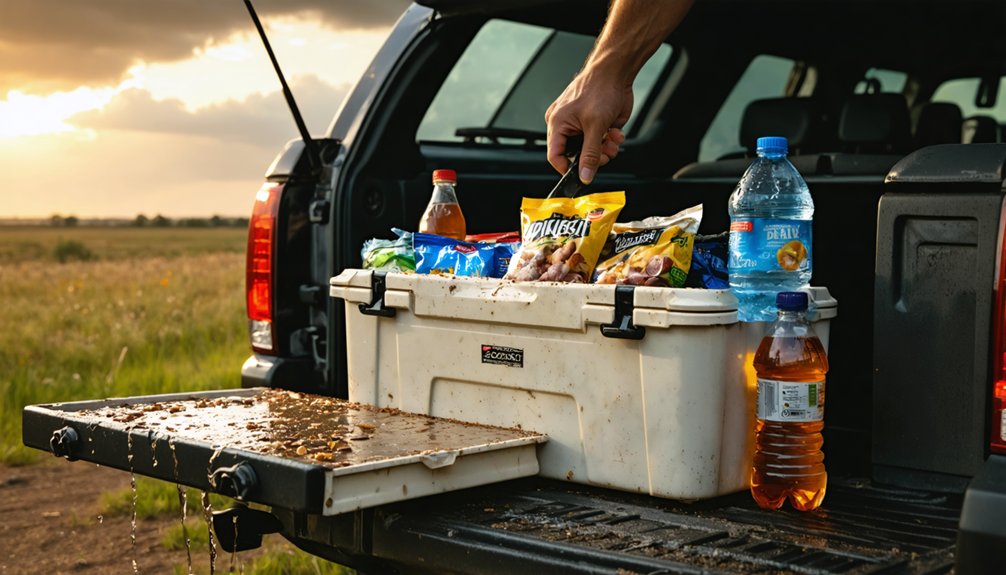
Nutrition and hydration are critical operational variables that directly affect your cognitive function and decision-making capacity during long chase days.
Prioritize meal prep before deployments, packing on-the-go meals and quick bites that deliver sustained energy without requiring stops. Healthy snacks like nuts, jerky, and whole-grain bars serve as reliable energy boosters, preventing the cognitive decline associated with blood sugar crashes.
Implement strategic nutrient timing by eating smaller portions every 3-4 hours rather than skipping meals entirely. Maintain electrolyte balance by incorporating sports drinks or electrolyte tablets alongside consistent water intake—dehydration impairs judgment faster than most chasers recognize.
Your hydration strategies should include carrying a minimum of 2-3 liters of water daily. Planned nutrition prevents emergency situations that compromise your operational effectiveness and personal safety.
Sleep Strategies Storm Chasers Need for Unpredictable Schedules
Fueling your body correctly sets the foundation, but sleep is where your brain consolidates decisions, processes stress, and rebuilds cognitive capacity for the next deployment.
Sleep deprivation destroys your judgment faster than hunger. Protect your circadian rhythms by anchoring consistent sleep windows even amid chaotic schedules. Use sleep apps and sleep tracking tools to monitor quality objectively.
Sleep deprivation dismantles judgment before hunger ever does. Guard your sleep windows like operational assets.
- Establish bedtime routines that signal your nervous system to downregulate
- Optimize sleep environments by blocking light and reducing ambient noise
- Use power naps strategically between 10-20 minutes to restore alertness
- Apply relaxation techniques including diaphragmatic breathing before sleep onset
- Consult professionals if sleep disorders emerge, and use sleep supplements cautiously
Your operational freedom depends entirely on cognitive sharpness.
Guard your sleep aggressively.
Spot the Stress Signals Before They Compromise Your Chase
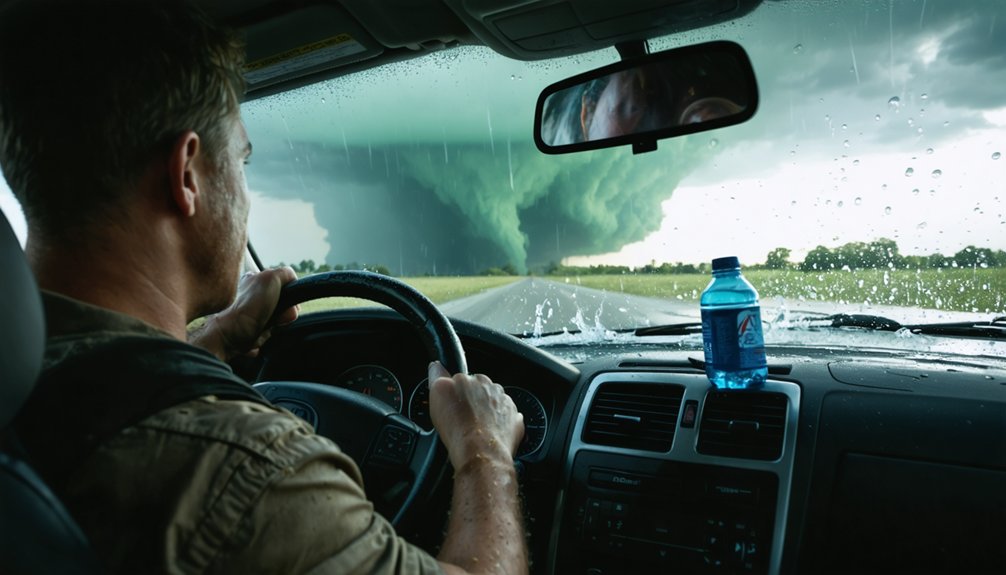
Sleep deprivation sharpens into a crisis faster than you’ll recognize it, and stress operates the same way. Effective stress recognition requires honest emotional awareness before symptoms escalate into operational failures.
Watch for headaches, persistent fatigue signs, irritability, and concentration lapses — these signal compromised mental resilience demanding immediate attention.
Your alertness techniques must include routine self-assessment throughout each chase day. Anxiety management isn’t passive; it demands deliberate coping strategies like diaphragmatic breathing and progressive muscle relaxation deployed at the first warning signs.
Psychological preparedness means you’ve already identified your personal stress thresholds before entering the field.
Consistent self-care practices — brief mindfulness intervals, peer check-ins, digital disconnection — sustain your pressure handling capacity across demanding chase seasons.
Catch the signals early, and you’ll maintain decisive control when conditions deteriorate rapidly.
Breathing and Mindfulness Techniques for High-Adrenaline Moments
When adrenaline spikes during an active chase, your parasympathetic nervous system needs a deliberate override — and controlled breathing delivers it.
Diaphragmatic breathing exercises lower your heart rate within minutes, restoring the cognitive clarity essential for accurate decision-making. Integrating mindfulness practices between repositioning intervals prevents cumulative stress from degrading your focus enhancement capacity.
- Practice 4-7-8 breathing: inhale four counts, hold seven, exhale eight for immediate anxiety management
- Ground yourself using the 5-4-3-2-1 sensory technique during intense storm activity
- Deploy progressive muscle relaxation techniques during downtime to accelerate physiological recovery
- Use stress reduction anchors — a word or image — to trigger calm states rapidly
- Schedule brief mindfulness check-ins every 90 minutes to sustain operational awareness and prevent mental fatigue
How Do Storm Chasers Protect Their Mental Health Between Chases?
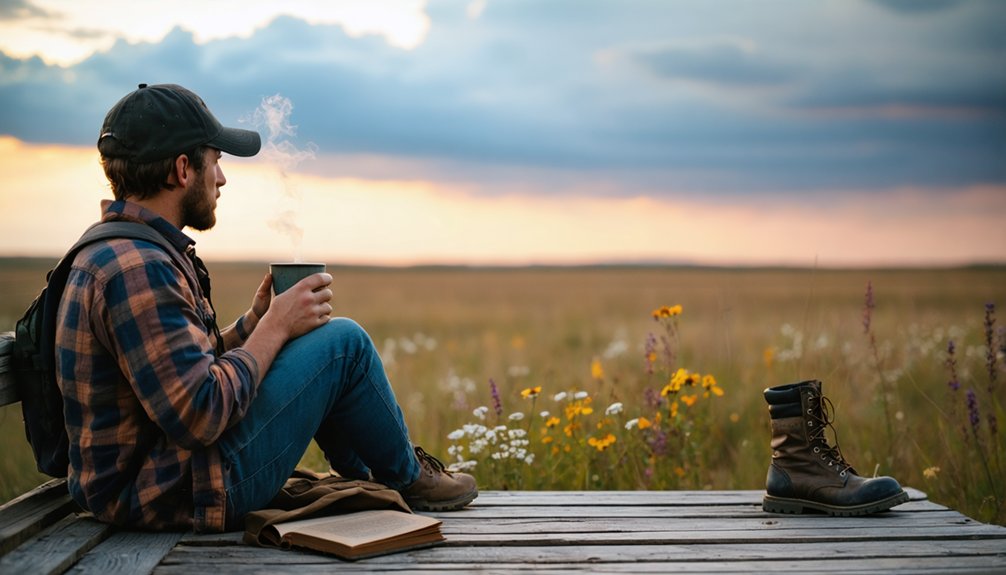
Between chases, 3 core recovery pillars — sleep hygiene, nutrition, and deliberate stress management — protect your mental health and sustain operational readiness.
Prioritize 7-9 hours of quality sleep, maintaining consistent wake times despite irregular schedules. Balanced nutrition and proper hydration prevent cognitive decline that compromises critical field decisions.
Quality sleep, balanced nutrition, and proper hydration are non-negotiable foundations for sharp, reliable decision-making in the field.
For stress management, limit continuous social media and news consumption between operations. Incorporate daily self-reflection, progressive relaxation exercises, and mindfulness practices to build foundational resilience.
These techniques regulate your nervous system, preventing cumulative stress from degrading judgment and emotional stability.
Build strong peer support networks — connect with fellow chasers who understand operational pressures.
Consider therapy sessions when stress signals like persistent headaches, fatigue, or anxiety emerge. Your mental health directly determines your field effectiveness and long-term sustainability as a chaser.
Morning and Evening Routines That Prevent Burnout in the Field
Structured morning and evening routines function as your primary defense against burnout during extended field operations.
Morning mindfulness anchors your mental state before unpredictable conditions demand your full attention. Evening reflection processes accumulated stress, preventing psychological deterioration over consecutive chase days.
- Begin mornings with 5-10 minutes of diaphragmatic breathing to activate parasympathetic function
- Establish consistent wake times regardless of the previous day’s operational intensity
- Prioritize 7-9 hours of sleep to maintain cognitive sharpness and emotional stability
- Conduct evening reflection by mentally cataloging decisions made and lessons learned
- Limit social media consumption before sleep to reduce residual anxiety
These deliberate bookends create psychological boundaries between operational stress and personal recovery, preserving your long-term capacity to perform effectively in demanding field conditions.
Frequently Asked Questions
How Do Storm Chasers Manage Health Insurance While Traveling Extensively?
You’ll want to secure portable insurance options that include extensive travel coverage across multiple states. Research plans offering nationwide provider networks, ensuring you’re protected regardless of location during extensive storm-chasing operations throughout unpredictable seasonal campaigns.
Can Storm Chasing Negatively Affect Long-Term Cardiovascular Health Over Time?
Ironically, chasing storms can chase away your heart health. Yes, storm chasing creates real cardiovascular strain over time. You’ll counter cumulative damage through disciplined stress management, consistent exercise, quality sleep, and proper hydration protocols.
What Vaccinations Should Storm Chasers Get Before Entering Flood-Affected Areas?
Before entering flood-affected areas, you’ll need hepatitis A, tetanus, and typhoid vaccines for effective disease prevention. Leptospirosis protection’s also critical for flood safety, as contaminated water exposure greatly increases your infection risk.
How Do Storm Chasers Handle Medical Emergencies When Far From Hospitals?
You’ll handle medical emergencies by carrying extensive first aid kits and emergency supplies in your vehicle. Administer immediate treatment, stabilize the patient, then navigate toward the nearest medical facility using your GPS.
Do Storm Chasers Experience Higher Rates of PTSD Than Other Professions?
Surprisingly, chasing tornadoes isn’t exactly a spa retreat—you’re exposed to repeated trauma exposure that elevates PTSD risk. You’ll need strong mental resilience, peer support networks, and mindfulness practices to protect your psychological freedom and operational effectiveness.
References
- https://www.youtube.com/watch?v=nxPSFg2R8YY
- https://www.reddit.com/r/stormchasing/comments/k89wnc/safety_tips_for_storm_chasing/
- https://www.tornadotitans.com/p/staying-mentally-fit-while-storm
- https://www.livingskytours.com/storm-chasing-101/
- https://matadornetwork.com/trips/6-tips-for-amateur-storm-chasers/
- https://www.atms.unca.edu/cgodfrey/courses/swfex/pdf/ChasingSafety.pdf
- https://crazystormchasers.com/mental-health-considerations-for-storm-chasers/
- https://crazystormchasers.com/storm-chaser-mental-health-support-coverage/
- https://midweststormchasers.org/safety-tips/
- https://will.illinois.edu/weatherrealness/episode/storm-chasing-can-be-deadly-heres-how-to-stay-safe