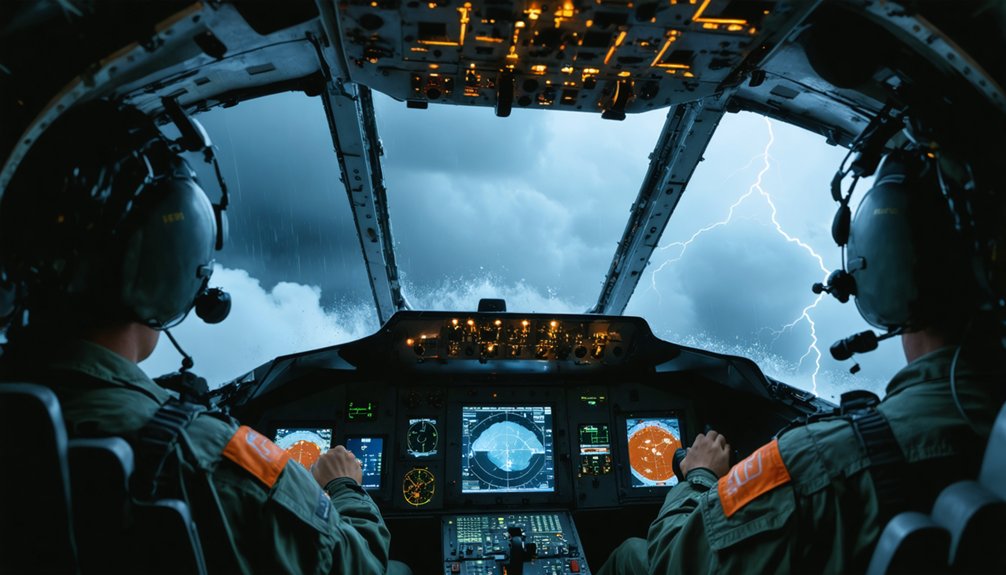
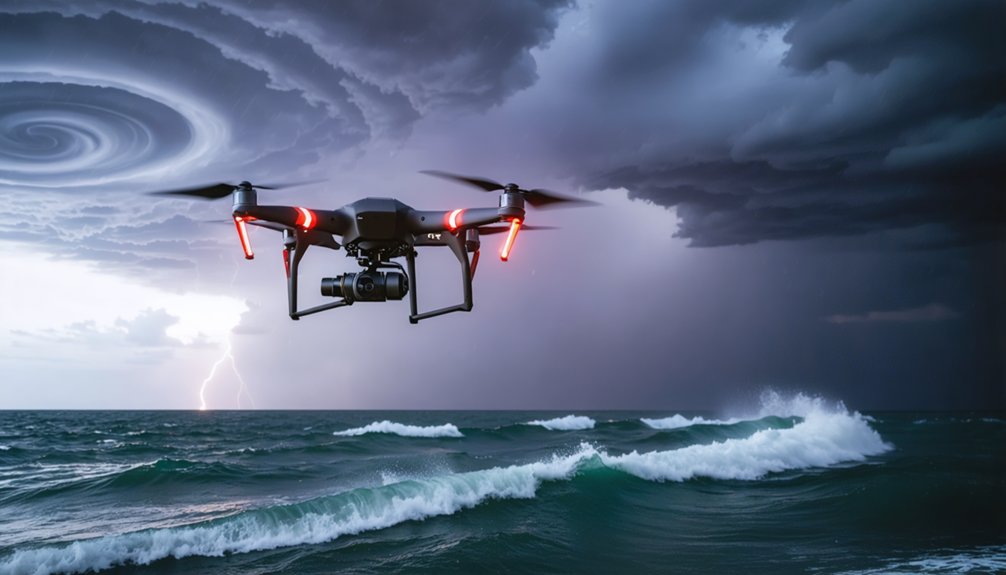
When conducting hurricane field research, you must treat safety, consent, and community trust as non-negotiable at every stage. Get informed consent before fieldwork begins, but revisit it continuously as conditions change. Suspend data collection when participant safety becomes uncertain. Partner genuinely with local communities rather than consulting them performatively. Anonymize data immediately and document all methodological decisions transparently. The sections ahead break each of these principles down into actionable, field-ready guidance.
Key Takeaways
- Informed consent must be treated as an ongoing process, revisited whenever storm conditions or research scope change significantly.
- Participant safety always takes precedence over data collection when hurricane conditions escalate unexpectedly.
- Engage local communities as genuine partners, including local researchers as co-investigators with real decision-making authority.
- Anonymize participant data immediately and store it securely, protecting privacy throughout research and publication.
- Cultural sensitivity is essential; respect local norms and decision-making structures when conducting disaster-zone research.
The Unique Ethical Stakes of Hurricane Field Research
Hurricane field research sits at the intersection of scientific urgency and serious human risk, where ethical missteps can cause real harm. When you enter disaster-affected areas, you’re encountering people at their most vulnerable—communities that deserve your respect, not your assumptions.
Informed autonomy must guide every interaction. You can’t treat consent as a checkbox; you must explain risks, benefits, and your research scope clearly, using plain language that empowers people to decide freely.
Cultural sensitivity isn’t optional, either. Local norms, decision-making structures, and lived experiences shape how communities respond to outside researchers. Ignoring these realities undermines your legitimacy and their trust.
Recognize that disaster settings amplify every ethical risk you’d face under normal conditions. Proceed deliberately, prioritize protection, and let those principles drive your decisions before scientific objectives do.
Why Consent in Disaster Zones Is Never a One-Time Event
Building on informed autonomy as a foundational principle, you need to understand that consent doesn’t end the moment someone agrees to participate.
Disaster zones shift rapidly, and new hazards can fundamentally alter what participants originally agreed to.
Ongoing communication isn’t optional—it’s your ethical obligation.
Treat consent as a living process by:
- Reassessing participant agreement whenever storm conditions, research scope, or safety risks change *considerably*.
- Providing updated plain-language briefings so participants retain genuine informed autonomy throughout the expedition.
- Honoring withdrawal requests immediately, without pressure or penalty, regardless of research timeline demands.
You protect people’s freedom when you keep communication channels open and transparent.
Conditions evolve, and so must your consent process—continuously, deliberately, and without compromise.
How to Protect Participants When Storm Conditions Escalate
When storm conditions escalate, your first obligation shifts decisively from research continuity to participant protection. You can’t treat a signed consent form as a permanent green light when hazards intensify; conditions change, and your protocols must change with them.
Activate your emergency communication systems immediately so every participant knows their options and escape routes. Risk mitigation isn’t passive—you must continuously monitor conditions, revise threat assessments, and authorize withdrawal without penalty whenever danger increases.
Suspend data collection the moment safety becomes uncertain. Protecting participants means giving them real choices, clear information, and the freedom to leave without pressure. Document every decision you make during escalation, ensuring your response remains traceable, principled, and defensible under later review.
Working With Local Communities, Not Around Them
How you engage local communities determines whether your research carries legitimacy or merely extracts data from people who’d no say in the process. Community trust isn’t given—it’s earned through genuine partnership, not performative consultation.
Prioritize local empowerment by following these steps:
- Consult affected communities before finalizing your research design, letting their priorities shape your objectives.
- Include local researchers as co-investigators, not field assistants, giving them real authority over decisions.
- Return findings directly to the community in plain, accessible language after publication.
Respect existing cultural structures and local decision-making processes. Don’t bypass community leaders to accelerate timelines. When you treat local knowledge as foundational rather than supplemental, your research gains both ethical grounding and practical accuracy that outside expertise alone can’t provide.
Keeping Hurricane Research Data Private and Scientifically Sound
Once your community partnerships are in place and data collection begins, your obligation shifts to protecting what you gather. Apply data anonymization immediately — strip identifying details before storing or analyzing records. Use secure storage systems with restricted access, encryption, and clear audit trails. Don’t treat these as bureaucratic formalities; they’re your defense against misuse and unauthorized exposure.
Scientific integrity demands equal discipline. Validate your data continuously, document every methodological decision, and report findings honestly — including limitations and anomalies. Disaster conditions don’t excuse sloppy recordkeeping. Participants trusted you with sensitive information; manipulating or misrepresenting results betrays that trust and corrupts the public record.
You owe affected communities accurate, accessible findings. Share results clearly, protect individual privacy throughout publication, and keep your methods transparent enough for independent verification.
Frequently Asked Questions
What Environmental Responsibilities Do Researchers Have in Hurricane-Affected Ecosystems?
You’re practically an ecosystem guardian! Minimize your footprint fiercely, protecting marine conservation and supporting ecosystem restoration. Avoid disturbing wildlife, reduce waste, and match methods to the smallest ecological impact while preserving storm-affected habitats.
How Should Expedition Teams Minimize Their Ecological Footprint During Fieldwork?
You’ll minimize your ecological footprint by adopting eco-friendly practices: use sustainable transport, reduce waste, and limit physical site disruption. Prioritize wildlife preservation by avoiding habitat interference and matching your methods to the smallest feasible environmental impact.
Who Funds Hurricane Research Expeditions, and How Does Funding Affect Ethics?
Funding sources lurk behind every decision you make. Government grants, private donors, and institutions fund expeditions—but you must guarantee funding transparency and demand ethical oversight so financial pressures never compromise your scientific integrity.
What Specialized Training Is Required Before Conducting Disaster Field Research?
Before entering disaster zones, you’ll need specialized human-subjects ethics training and disaster-research certification. Master safety protocols, understand volunteer coordination responsibilities, and complete hazard-specific field preparation—equipping yourself to protect participants while maintaining scientific integrity under rapidly evolving conditions.
How Are Research Findings Shared With Affected Communities After the Expedition?
You share findings through community engagement sessions, using plain language and data transparency. You’ll present results directly to affected residents, making knowledge accessible and actionable, ensuring communities benefit from research conducted in their environments.
References
- https://oceanexplorer.noaa.gov/about/kit-writing/
- https://www.agu.org/learn-about-agu/about-agu/ethics/ethical-framework-for-climate-intervention
- https://pubmed.ncbi.nlm.nih.gov/30713194/
- https://crazystormchasers.com/ethics-of-storm-chasing-for-research-purposes/
- https://ethndis.org/archive/files/ethn-18-03-378.pdf
- https://interagencystandingcommittee.org/sites/default/files/migrated/2019-01/1._iasc_recommendations_for_ethical_mhpss_research_in_emergency_settings_0.pdf
- https://cioms.ch/wp-content/uploads/2017/01/WEB-CIOMS-EthicalGuidelines.pdf
- https://converge.colorado.edu/wp-content/uploads/2021/07/researchethics_briefing3_5_20-1599586064282.pdf