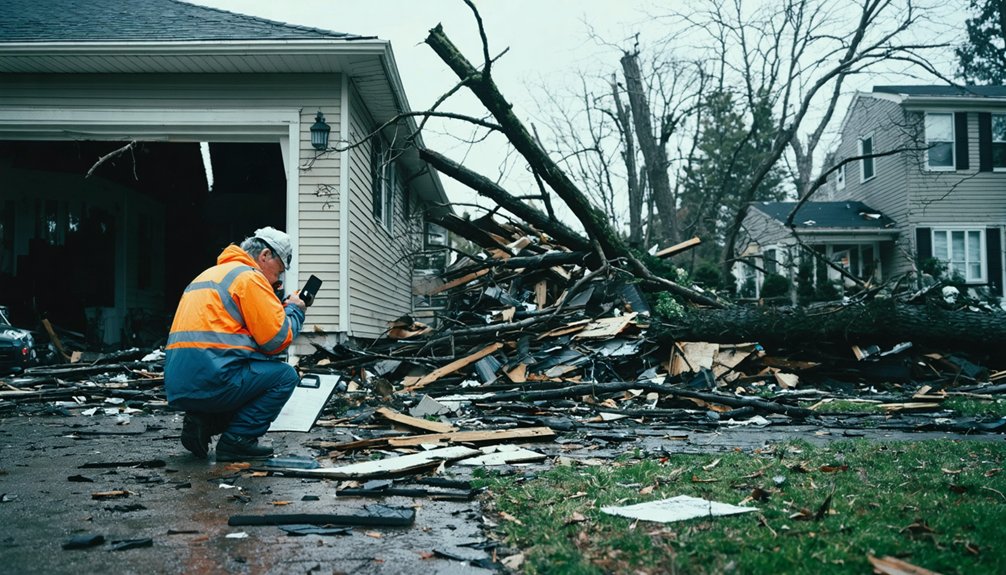
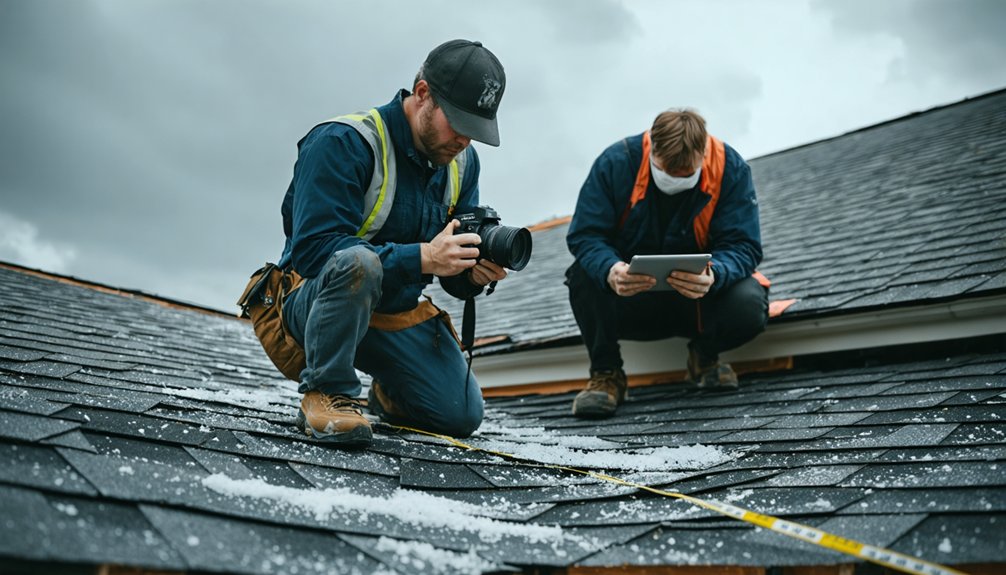
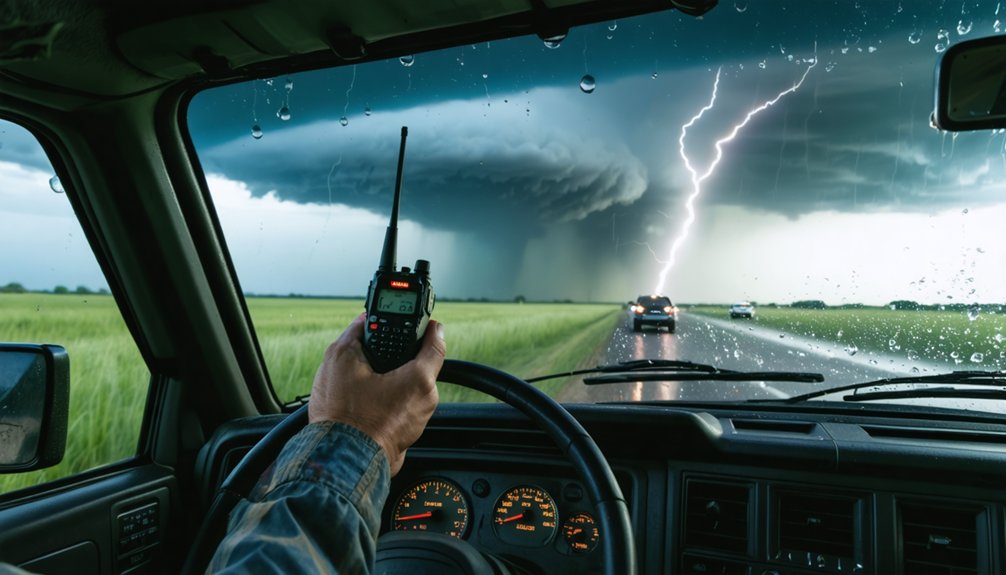
When disaster strikes your community, CERT volunteers and storm chasers work together through local emergency management offices to accelerate response times. Storm chasers transmit real-time ground truth data—downed power lines, structural failures, storm trajectory—directly into emergency networks, triggering CERT deployment to affected areas. Ham radio operators bridge communication gaps when cell towers fail. This coordinated intelligence transforms reactive guessing into structured, precise action. Keep exploring to see exactly how each piece of this system operates.
Key Takeaways
- CERT and storm chasers collaborate through local emergency management offices, using storm chaser reports to guide volunteer deployment to affected areas.
- Storm chasers transmit real-time data on storm speed, trajectory, and intensity, transforming CERT response from reactive guessing into structured action.
- Ham radio networks connect CERT volunteers and storm chasers, maintaining critical communication when cell towers and internet infrastructure fail.
- Both groups follow shared hazard-avoidance protocols, ensuring coordinated safety practices when operating in and around severe weather zones.
- Storm chaser insights are integrated into CERT community training sessions, sharpening response capabilities with accurate, timely field intelligence.
What CERT Actually Does When Disaster Strikes
When disaster strikes, CERT volunteers don’t wait for direction—they deploy. Your CERT training prepares you to act decisively, executing safety protocols without hesitation.
Volunteer coordination happens fast, assigning roles based on real time monitoring data gathered before and during the event.
You’ll conduct storm assessment of affected areas, identifying hazards like downed power lines, unstable structures, and gas leaks. You don’t enter compromised zones—you document, report, and direct resources efficiently.
Emergency response through CERT isn’t reactive; it’s structured. Disaster preparedness means you’ve already rehearsed these scenarios. You know your assignment before the storm clears.
This disciplined approach builds community resilience from the ground up. When systems fail, trained volunteers fill critical gaps—protecting neighbors, preserving order, and restoring stability without waiting for permission.
How Storm Chasers Feed Real-Time Data to Emergency Networks?
Storm chasers don’t just observe weather—they transmit critical, real-time data directly into emergency networks that agencies like the National Weather Service rely on for accurate threat assessment.
Groups like the North Mississippi Storm Chasers report directly to the National Weather Service and media partners, including ABC24 Memphis and Mississippi Live Weather, guaranteeing real-time updates reach decision-makers fast.
Organized storm chaser groups report directly to the National Weather Service, ensuring verified, real-time data reaches decision-makers when it matters most.
You should understand that data accuracy depends on experienced teams in the field.
Tempest Tours, for example, brings nearly 200 years of combined expertise to each chase, markedly reducing reporting errors.
Ham radio partnerships further strengthen communication channels, keeping data flowing even when conventional infrastructure fails.
This layered reporting system guarantees emergency coordinators receive verified, actionable intelligence—giving communities the critical window they need to respond effectively before conditions deteriorate.
Where Do CERT and Storm Chasers Officially Work Together?
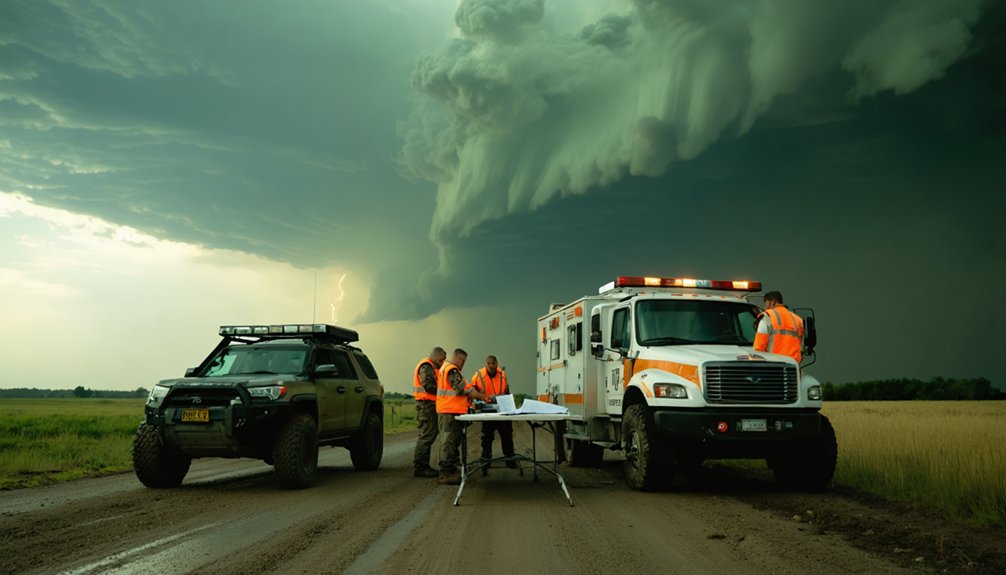
Although no single formal treaty binds them, CERT and storm chasers collaborate through structured, overlapping channels that serve a clear operational purpose.
You’ll find CERT Collaboration happening through local emergency management offices, where storm chasers submit real-time weather reports that directly inform CERT deployment decisions.
Ham radio clubs bridge both groups, enabling Storm Chaser Coordination during active weather events when conventional communication fails.
Storm chasers partner with National Weather Service offices, the same agency that activates CERT alerts.
Media outlets carrying chaser-reported data amplify CERT’s public preparedness messaging simultaneously.
Both groups operate under shared hazard-avoidance protocols, reinforcing consistent safety standards across volunteer networks.
These intersecting structures don’t restrict your freedom to respond; they sharpen it, ensuring every volunteer acts with accurate, timely intelligence rather than guesswork.
How Ham Radio Bridges CERT and Storm Chaser Communications?
When you examine how CERT and storm chasers maintain reliable communication, you’ll find ham radio networks serving as a critical backbone for both groups.
You can use these emergency radio systems to relay real-time storm data directly between chasers in the field and CERT coordinators managing ground-level disaster response.
Ham Radio Emergency Networks
Ham radio networks serve as a critical communications backbone that connects CERT volunteers and storm chasers when conventional infrastructure fails.
When cell towers go down and internet access disappears, you’ll rely on ham radio basics to maintain emergency communication across your region. Licensed operators transmit real-time storm data directly to the National Weather Service while simultaneously alerting CERT teams on the ground.
You don’t need complex equipment to participate—just proper licensing and a working transceiver. Storm chasers, like those partnering with North Mississippi Storm Chasers, already use these networks during active chases.
CERT training incorporates identical protocols, meaning both groups speak the same operational language during disasters. You gain independence from fragile infrastructure by mastering these systems before emergencies strike.
Real-Time Storm Data Relay
Real-time storm data relay transforms ham radio from a backup communication tool into an active intelligence pipeline connecting storm chasers and CERT volunteers.
When chasers from groups like the North Mississippi Storm Chasers transmit field observations through ham radio networks, you’re receiving direct, unfiltered conditions reports before official channels process them.
You benefit from this system because data accuracy improves dramatically when multiple chasers confirm identical conditions across separate transmissions. CERT coordinators cross-reference these reports against NOAA Weather Radio and local media feeds, building a verified operational picture.
Real time monitoring through coordinated ham radio frequencies lets you act on ground-truth intelligence rather than delayed forecasts. You’re not waiting—you’re responding.
This relay system gives your community the critical window needed to execute evacuation plans and deploy volunteers effectively.
How Storm Chaser Reports Trigger CERT Deployment?
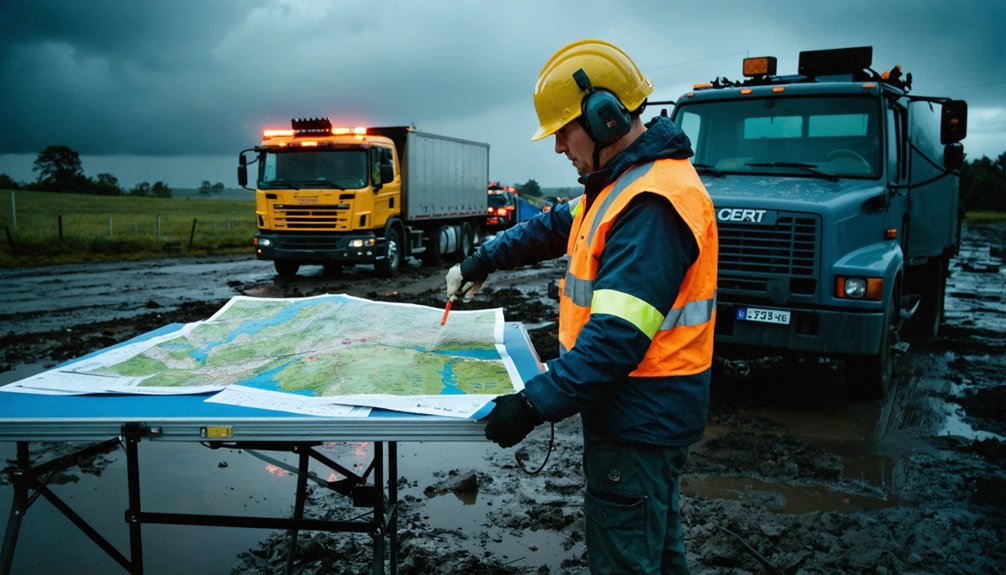
When storm chasers submit real-time reports to the National Weather Service, you trigger a chain of alerts that activates CERT volunteers before conditions worsen.
You’ll find that chaser data—speed, trajectory, and intensity—gives CERT coordinators the precise intelligence they need to deploy teams efficiently.
Once you receive those verified reports, you can mobilize volunteers to affected areas with a clear operational picture already in place.
Real-Time Data Triggers Alerts
Storm chasers don’t just track severe weather—they’re a critical link in the chain that activates CERT deployment. When chasers relay field observations to the National Weather Service, that data integration triggers real-time alerts that reach CERT coordinators almost instantly.
You need to understand how this pipeline works. Chasers report ground-truth conditions—wind speeds, hail size, tornado touchdowns—that radar alone can’t confirm. Those verified reports escalate official warnings, which signal CERT teams to mobilize volunteers, stage supplies, and position responders before communities take the hardest hit.
Ham radio partnerships strengthen this process further, keeping communication channels open when conventional infrastructure fails. The faster accurate data moves through this system, the faster you and your neighbors get the protection and organized response you deserve.
Chaser Reports Activate Volunteers
Once a chaser’s field report reaches the National Weather Service, the activation sequence for CERT volunteers begins immediately.
You’ll see coordinators translate raw storm data into deployment orders within minutes. Chaser collaboration eliminates guesswork, giving your team precise damage locations, wind estimates, and hazard zones before boots hit the ground.
Volunteer activation follows a clear chain: NWS issues alerts, local emergency managers notify CERT coordinators, and trained volunteers mobilize toward verified impact areas.
You don’t wait for official confirmation when chaser reports already pinpoint downed power lines or structural failures.
Ham radio networks reinforce this pipeline, keeping communication intact when cell infrastructure fails.
Your response stays efficient, targeted, and coordinated because chasers provide the ground truth that transforms emergency management from reactive guessing into decisive, structured action.
The Tracking Techniques CERT Volunteers Borrow From Storm Chasers
Many of the weather tracking techniques CERT volunteers rely on trace their roots directly to storm chaser methodology.
During volunteer training, you’ll learn to monitor NOAA Weather Radio, cross-reference internet sources, and follow local media updates—the same storm tracking tools professional chasers use when pursuing severe weather across North America.
You won’t just wait for alerts to reach you. Instead, you’ll actively track developing systems, interpret storm paths, and apply evacuation logic based on a storm’s directional movement.
Chasers who partner with institutions like Duke University and local ham radio clubs have refined these methods through nearly 200 combined years of field experience.
Why CERT and Storm Chasers Avoid the Same Danger Zones
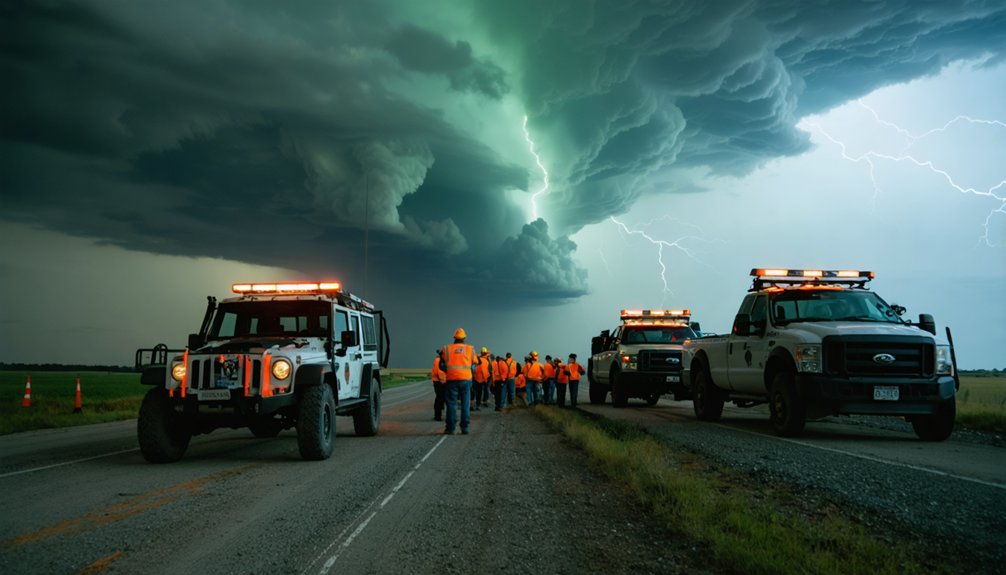
Despite their vastly different roles, CERT volunteers and storm chasers follow the same core rule after severe weather passes: stay out of the damage zone.
Downed trees, live power lines, and unstable structures create compounding hazards that demand serious risk management from anyone operating nearby.
Storm chasers avoid post-storm debris fields because the mission’s already complete — real-time data collection ends when the storm does.
CERT volunteers stay clear for the same reason: entering unsafe zones compromises your ability to help others and puts you in danger.
Your hazard awareness must stay sharp after the storm passes, not just during it.
Both groups treat damaged areas as active threat zones. You protect your community best by staying operational, and that means staying safe first.
How Storm Chaser Media Contacts Help CERT Reach the Public Faster?
When storm chasers report live data to outlets like ABC24 Memphis and The Delta News, they activate media pipelines that CERT volunteers can immediately leverage to push preparedness and safety information to the public.
You gain direct access to established media outreach channels without building them from scratch. Storm tracking data chasers deliver to Mississippi Live Weather and ABC24 Memphis reaches audiences already tuned in and alert.
Storm chasers open media doors CERT volunteers can walk straight through — no setup required, just ready audiences.
CERT volunteers insert evacuation routes, supply checklists, and shelter locations into that same broadcast stream. You don’t wait for bureaucratic approval — you act through trusted media partners already broadcasting critical storm information.
This coordination shortens the gap between hazard identification and public response, giving communities the real-time guidance they need to make independent, informed decisions before conditions deteriorate.
How to Build a Local CERT and Storm Chaser Partnership?
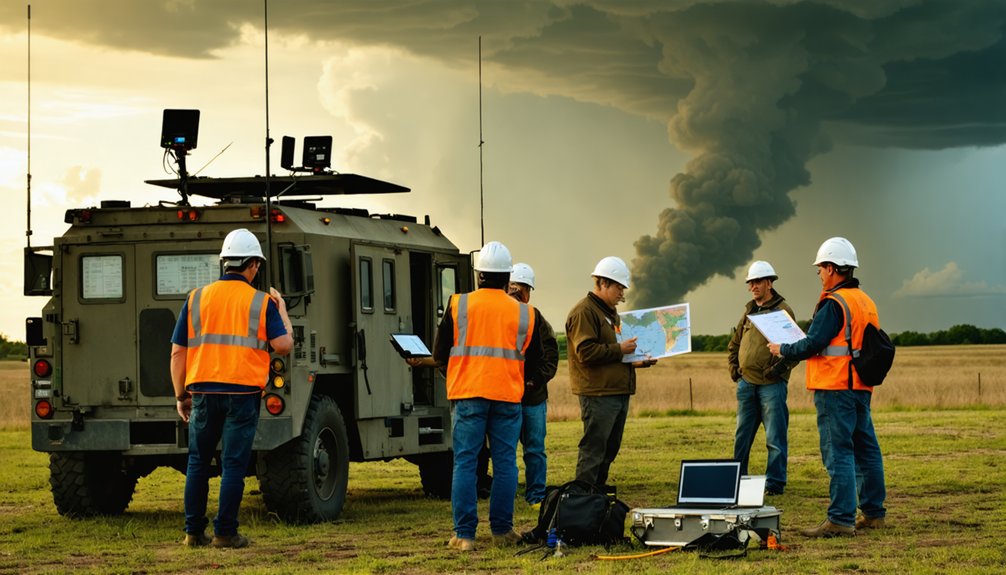
Building a local CERT and storm chaser partnership starts with identifying the right contacts — reach out to regional ham radio clubs, National Weather Service offices, and storm chaser groups already active in your area.
Once you’ve made contact, propose a structured data sharing agreement that defines how real-time weather information flows between chasers and your CERT team during active events.
Next, integrate storm chaser insights into your community training sessions. Invite experienced chasers to demonstrate tracking tools and discuss evacuation timing.
Establish clear communication protocols so both groups know their roles when a storm threatens. Set regular meetings to review procedures and strengthen trust.
A well-organized partnership gives your community faster warnings, better coordination, and greater independence when emergencies strike.
Frequently Asked Questions
Can Storm Chasers Legally Enter Restricted Disaster Zones Alongside CERT Volunteers?
Think again — storm chasers can’t freely enter restricted access zones. You must respect legal boundaries unless officials authorize entry. CERT volunteers operate under sanctioned protocols, so you’ll need explicit permission before accessing any disaster area.
What Insurance Coverage Protects CERT Volunteers Working Near Storm Chasers?
You’ll find that liability coverage through your local government typically protects CERT volunteers. Confirm your volunteer protections before deployment, ensuring you’re covered when coordinating near storm chasers in hazardous, post-disaster environments.
How Do CERT Teams Handle Conflicts Between Chaser Data and Official Forecasts?
Can you trust conflicting storm data with lives at stake? You prioritize official forecasts while applying communication protocols to flag chaser reports. You verify data accuracy through NOAA and local officials before adjusting your emergency response actions.
Are Storm Chasers Financially Compensated When Partnering With CERT Organizations?
You won’t typically find storm chaser compensation through CERT partnerships, as chasers usually volunteer their expertise. Funding sources like universities, media outlets, and tours independently support chasers, preserving your community’s emergency resources for critical response needs.
What Minimum Age Requirements Exist for Joining CERT or Storm Chasing Teams?
The available knowledge doesn’t specify age qualifications for CERT or storm chasing teams. You’ll want to contact your local CERT chapter or chasing organization directly to explore youth involvement opportunities that fit your freedom-seeking goals.
References
- https://www.outagamie.gov/County-Services/Emergency-Management/CERT
- https://today.duke.edu/2016/04/stormchasers
- https://www.weather.gov/media/akq/miscNEWS/CERTpresentation.pdf
- https://www.nmscas.org/about
- https://www.tempesttours.com/storm-chasers