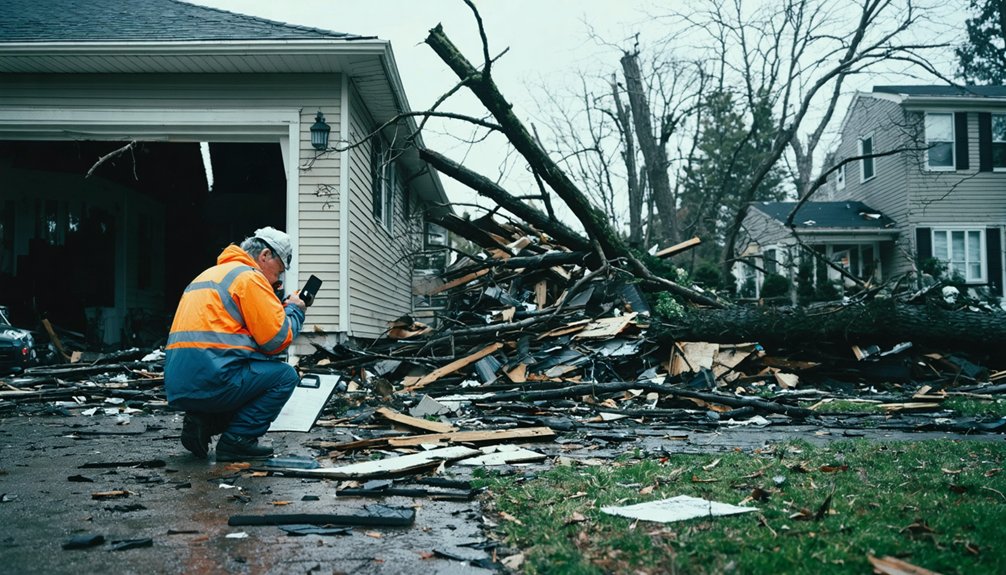
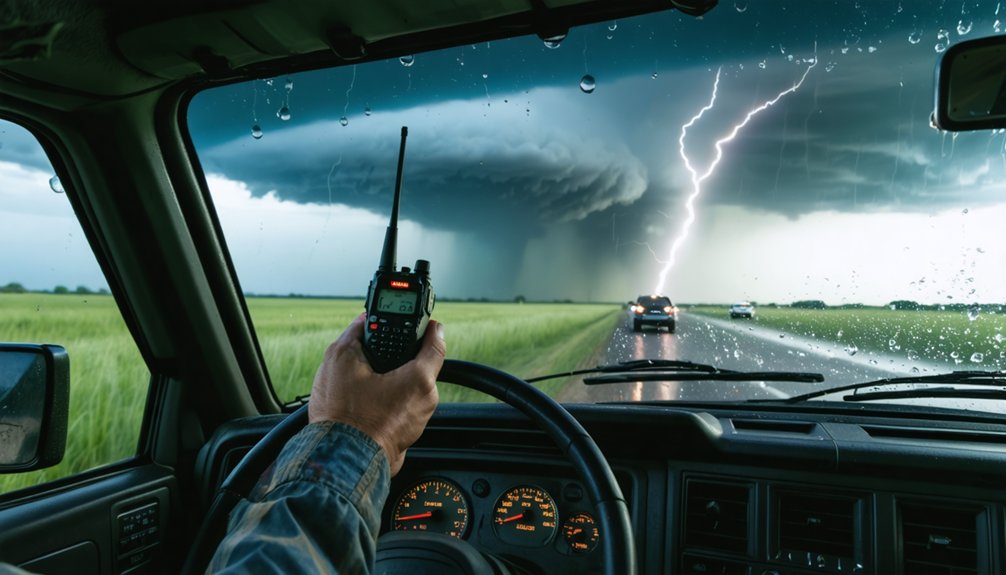
To create effective emergency communication channels during storms, you’ll need a multi-layered strategy built before disaster strikes. Establish unified protocols across agencies, deploy mass notification systems that work through power outages, and use multiple delivery channels like SMS, push notifications, and social media. Guarantee your alerts reach multilingual and low-access populations through automatic language detection and outdoor sirens. The sections ahead break down exactly how to make each layer work.
Key Takeaways
- Establish unified protocols and standardized tools across agencies before storms strike to ensure seamless, coordinated communication during emergencies.
- Deploy multiple delivery channels, including SMS, push notifications, voice calls, and social media, to maximize message reach.
- Use geographic-specific alerts and zone-based tools to deliver targeted, relevant messaging to affected populations during rapidly changing conditions.
- Incorporate multilingual messaging and automatic language detection to ensure diverse communities receive critical emergency information without barriers.
- Maintain active communication post-storm by broadcasting real-time damage assessments, road closures, and shelter availability to support recovery efforts.
Why Emergency Communication Breaks Down During Storms
When a storm hits, emergency communication systems face simultaneous threats that can cascade into total failure. Power outages disable broadcast towers, cell networks collapse under surging demand, and fragmented agency protocols create dangerous communication barriers that leave you without critical guidance precisely when you need it most.
Information overload compounds the problem. Conflicting messages from multiple agencies, unverified social media reports, and inconsistent alert formats overwhelm both responders and residents. You can’t act decisively when you’re sorting through contradictory instructions.
Infrastructure damage accelerates the breakdown. Downed power lines silence sirens, flooded roads block physical communication efforts, and non-standardized systems prevent agencies from sharing real-time data.
Without unified protocols and redundant channels established before the storm, these failures don’t just slow response—they cost lives.
Build a Multi-Agency Emergency Communication Network That Works
Building a multi-agency emergency communication network requires unified tools, standardized protocols, and redundant channels before the storm arrives—not during it. You can’t afford fragmented systems when lives are at stake.
Inter-agency collaboration depends on every stakeholder—law enforcement, fire, rescue, and emergency operations centers—sharing a common operating picture through integrated communication technology.
Effective inter-agency coordination starts with one shared picture—built on integrated technology every responder can access and trust.
Start by standardizing your protocols across all participating agencies. Then deploy mass notification systems capable of reaching responders and the public simultaneously through SMS, push notifications, voice calls, and social media.
Zone-based tools let you adapt messaging as conditions shift. Real-time data sharing guarantees everyone acts on the same information, eliminating dangerous communication gaps.
Establish these systems now, test them regularly, and your network will hold when the storm doesn’t.
Real-Time Alert Tools Every Storm Emergency Plan Needs
Doppler radar, wireless emergency alerts (WEA), and mass notification systems aren’t optional add-ons—they’re the backbone of any storm emergency plan.
These real-time alerts keep you informed when conditions shift fast and infrastructure fails. During Hurricane Milton, WEA continued pushing updates despite widespread power outages—that’s the resilience your plan needs.
Build your communication technology stack around multiple delivery channels: SMS, push notifications, email, voice calls, and social media.
Don’t rely on a single method. Set geographic-specific weather watches and warnings so alerts reach only the populations that need them.
Mobile apps enable real-time data collection and immediate dissemination, giving you actionable intelligence fast.
Configure your systems before storm season starts—when the storm hits, there’s no time to troubleshoot.
Configure Alerts to Reach Multilingual and Low-Access Populations
Multilingual messaging isn’t a courtesy—it’s a core system requirement. Configure your notification system to deliver alerts in every language spoken across your jurisdiction.
Don’t assume English-only broadcasts cover your population—they don’t.
For low access solutions, layer your approach. Deploy sirens for outdoor populations, broadcast alerts over local radio, and coordinate with community organizations serving residents without smartphones or reliable internet.
Printed materials distributed pre-storm through libraries, churches, and community centers extend your reach further.
Verify that your mass notification platform supports automatic language detection tied to resident profiles.
Test every channel before storm season begins. If an alert only reaches connected, English-speaking residents, you’ve already failed a significant portion of the people depending on you.
How to Sustain Emergency Communication From Landfall Through Recovery
Sustaining emergency communication doesn’t stop at landfall—it intensifies. Your crisis management strategy must evolve as conditions shift from active storm response to recovery operations. Keep your communication channels live and updated continuously.
Prioritize these post-landfall actions:
- Push real-time damage assessments through mobile apps to guide resource deployment.
- Use mass notification systems to broadcast road closures, shelter availability, and utility restoration progress.
- Coordinate across agencies to eliminate conflicting messages that erode public trust.
Community engagement becomes critical during recovery. You must actively reach residents—not wait for them to find information.
Send targeted SMS updates, maintain social media activity, and brief first responders with current operational data. Faster, clearer communication accelerates recovery and keeps your community informed, empowered, and moving forward independently.
Frequently Asked Questions
How Do Emergency Communication Systems Get Tested Before Storm Season Begins?
You’ll test, verify, and refine your system testing protocols through regular safety briefings before storm season begins. Conducting drills, reviewing contacts, and updating procedures strengthen your storm preparedness and guarantee every communication channel functions reliably.
What Roles Do Individual Citizens Play in Emergency Communication Networks?
You’re an essential link in emergency networks. Sign up for local alerts, share verified updates with neighbors, and report hazards to authorities. Your citizen involvement and community engagement strengthen response efforts and help keep everyone safer.
How Are Emergency Communication Budgets Allocated Across Different Agencies?
You’ll find agency funding flows through budget priorities that emphasize inter-agency collaboration and resource distribution. Agencies coordinate allocations to maximize communication tools, ensuring you’re protected without bureaucratic waste slowing critical emergency response investments.
What Legal Requirements Govern Emergency Notification Systems During Declared Disasters?
You must follow compliance standards set by federal and state laws during declared disasters. Notification regulations require you to issue timely, multilingual alerts across multiple channels, ensuring all agencies coordinate communications to protect every resident’s safety and freedom.
How Do Communication Systems Account for Tourists Unfamiliar With Local Alert Channels?
Imagine unfamiliar streets flooding fast around you. Mass notification systems bridge the gap through tourist awareness campaigns and local outreach, sending multilingual SMS alerts, push notifications, and hotel broadcasts so you’re never left traversing danger uninformed.
References
- https://genasys.com/blog/solving-common-communication-breakdowns-during-a-hurricane/
- https://online.utpb.edu/about-us/articles/communication/how-effective-crisis-communication-saves-lives-during-hurricanes
- https://www.crises-control.com/blogs/emergency-communication-solutions-2/
- https://stobgtheword.com/communicating-to-weather-the-storm/
- https://www.youtube.com/watch?v=fqWKO_P9864
- https://www.cdc.gov/hurricanes/php/preparedness-and-safety-messaging/index.html
- https://training.fema.gov/emiweb/is/is242b/student manual/sm_03.pdf