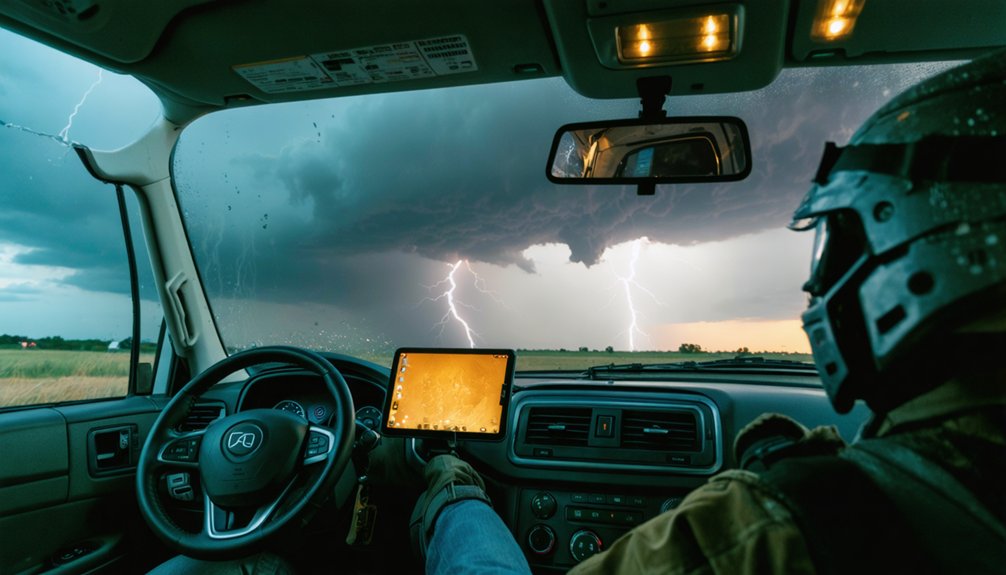
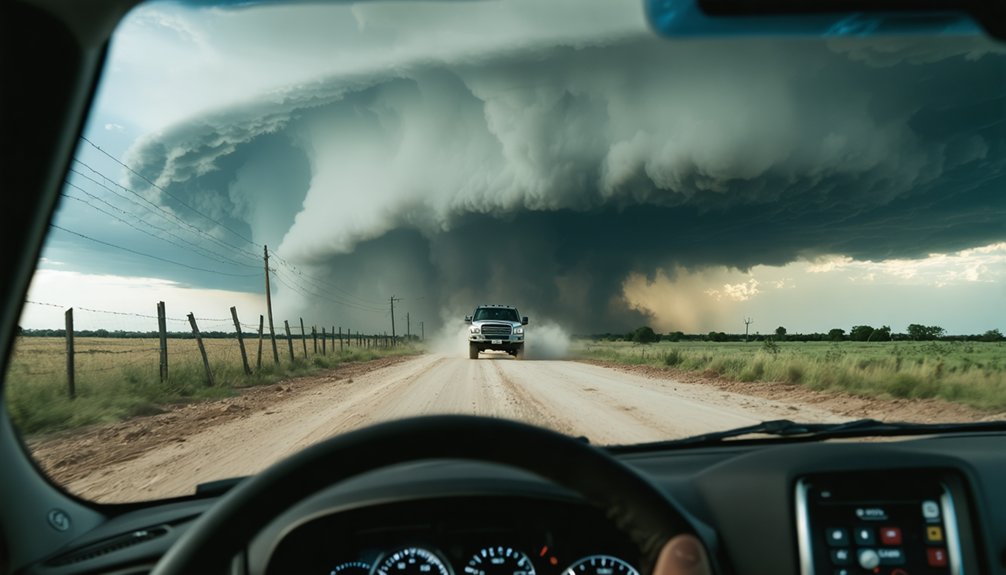
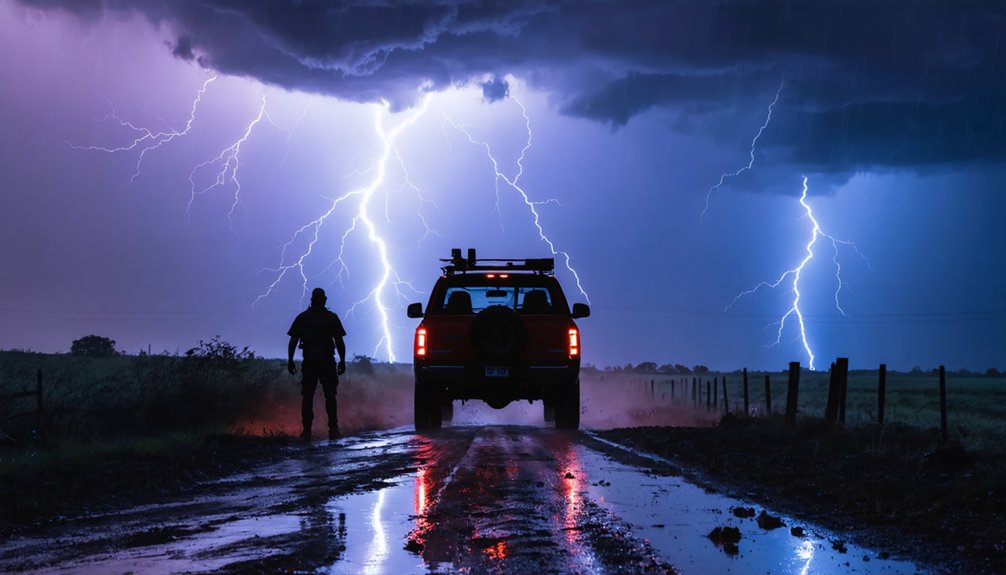
Behavioral psychology is transforming how you make split-second decisions in the field. Decision fatigue silently degrades your judgment before you even feel tired, and each choice you make depletes your cognitive resources. Mental fitness tools like structured decision frameworks, self-assessments, and micro-trainings strengthen your performance under pressure. Recovery strategies and partnered chasing further sharpen your situational awareness. The full picture of how these principles work together goes much deeper than you’d expect.
Key Takeaways
- Decision fatigue silently degrades judgment before exhaustion is felt, making early cognitive self-assessments essential for storm chasers.
- Partnered chasing reduces cognitive load by distributing navigation and radar tasks, sharpening situational awareness during critical decisions.
- Structured decision-making frameworks help chasers maintain sharp, reliable judgment when facing rapidly evolving and high-pressure storm scenarios.
- Fatigue, anxiety, and trauma distort risk perception, requiring emotional awareness to prevent dangerous miscalculations in the field.
- Mindful recovery techniques like controlled breathing and journaling restore decision-making bandwidth between high-intensity chasing events.
The Behavioral Science Behind Safer Storm Chasing Decisions
When split-second decisions determine survival, behavioral science becomes as critical as any weather instrument in a storm chaser’s arsenal.
You’re operating in high-stakes environments where decision fatigue silently degrades your judgment long before exhaustion becomes obvious. Each choice you make depletes cognitive resources, increasing the likelihood of miscalculating risk perception during rapidly evolving conditions.
Psychologists have developed targeted tools specifically designed to help you understand extreme weather risks more accurately. Self-assessments let you track focus, energy, and resilience in real time, while micro-trainings sharpen mental performance under pressure.
These interventions aren’t abstract theory — they’re actionable strategies built for field conditions.
Recognizing how your brain processes danger lets you reclaim autonomous, informed decision-making. Behavioral science doesn’t restrict your freedom; it sharpens it precisely when storms demand your best judgment.
Mental Health Risks That Push Chasers Toward Danger
Though behavioral science equips you with sharper decision-making tools, those tools lose effectiveness when unaddressed mental health pressures are quietly steering your choices.
Fatigue, anxiety, and trauma distort your risk assessment, making dangerous situations feel manageable and calculated decisions feel unnecessary. Without emotional awareness, you’ll misread your own psychological state until burnout forces the issue.
Stress management isn’t optional—it’s operational. Chasers who ignore cumulative psychological strain increasingly rely on poor coping strategies, including substance misuse and isolation, both of which erode judgment precisely when conditions demand it most.
Your freedom in the field depends on mental clarity, not just meteorological skill.
Building strong support networks reduces isolation, distributes psychological load, and sustains burnout prevention across entire chase seasons.
Your mental fitness directly determines your decision-making quality under pressure.
Why Chasing With a Partner Makes You Sharper and Safer
Chasing alone splits your attention between driving, navigation, and storm monitoring—a cognitive load that degrades performance across all three.
Chaser dynamics shift fundamentally when you add a partner. Research on divided attention confirms that multitasking under stress produces measurable decision errors. A dedicated driver stays disengaged from storm excitement, keeping road awareness primary. Your partner handles GPS, radar, and route adjustments, freeing you to respond to conditions without competing demands.
A dedicated driver stays disengaged from storm excitement while your partner handles radar, sharpening decisions when it matters most.
Partnership benefits extend beyond logistics. Shared cost structures reduce financial pressure, and a second voice challenges impulsive decisions during rapidly evolving situations.
Isolation amplifies tunnel vision; collaboration corrects it. When you’re reading a hook echo and traffic simultaneously, cognitive bandwidth collapses. A partner preserves your mental reserves, sharpens your situational awareness, and structurally reduces the risk of catastrophic errors.
Mental Tools That Sharpen Storm Chasers’ Field Decisions
Sustained field performance depends less on technical knowledge than on mental fitness, yet most training programs ignore it entirely.
Behavioral psychology offers structured decision making frameworks and risk assessment tools that keep your judgment sharp when conditions deteriorate fast.
Build your mental toolkit using these proven interventions:
- Self-assessments — track your focus, energy, and resilience before each chase to establish an honest baseline
- Micro-trainings — practice pressure-based mental simulations that strengthen split-second thinking during worsening events
- Reset techniques — decompress after intense field exposure to restore mission-readiness before your next deployment
You’re not just managing weather; you’re managing yourself.
Applying these tools systematically transforms reactive instincts into disciplined, data-informed choices that protect both you and those around you.
Recovery and Reset Habits That Sustain Chasing Performance

When the field exposure ends, your recovery window begins—and how you manage it directly determines your readiness for the next chase. Mindful recovery isn’t passive rest; it’s a structured behavioral process that rebuilds cognitive sharpness and emotional regulation.
Research confirms that reset techniques—controlled breathing, debrief journaling, and intentional disengagement from storm media—accelerate neurological recovery after high-stress exposure.
Resilience building compounds over successive chases when you treat recovery as mission-critical data. Track your sleep quality, mood shifts, and focus levels between events. These metrics reveal patterns that performance enhancement strategies can directly target.
Skipping recovery compresses your stress load, narrows decision-making bandwidth, and increases field errors. You chase because you value the freedom that skill and preparation provide—protect that freedom by recovering with the same discipline you deploy in the field.
Frequently Asked Questions
How Does Urban Traffic Specifically Worsen Anxiety During Active Storm Chases?
Urban congestion spikes your anxiety triggers by forcing you to navigate signals, rush hours, and unpredictable drivers while simultaneously tracking an active storm, compounding stress, fracturing focus, and pushing you toward dangerously impulsive decisions on the road.
What Self-Assessment Tools Help Chasers Measure Their Mental Resilience Levels?
You can use self-reflection exercises and resilience scales to track your focus, energy, and mental endurance. These data-backed self-assessments measure your readiness levels, helping you make sharper, safer decisions when you’re actively chasing intense storm conditions.
Can Substance Misuse Among Chasers Be Addressed Through Behavioral Micro-Training Programs?
Imagine storm clouds gathering as cravings creep in—yes, behavioral micro-training programs can tackle substance misuse. They’ll sharpen your substance awareness and boost training effectiveness, helping you reclaim clear-headed decision-making before dangerous weather demands your best judgment.
How Do Chase Partners Help Navigate GPS During High-Pressure Storm Situations?
Your chase partner handles GPS navigation, freeing you to drive safely. They support your decision-making processes through clear communication strategies, reviewing maps under pressure, reducing isolation, and helping you maintain focus during intense, high-stakes storm situations.
What Visual Vigilance Techniques Reduce Dangerous Instinctual Reactions Near Storms?
You’ll reduce dangerous instinctual responses by prioritizing visual cues over radar dependence. Slow down in low visibility, build storm awareness through observed behavior, and apply cognitive control to override sudden, reactive moves near active weather systems.
References
- https://www.tornadotitans.com/p/staying-mentally-fit-while-storm
- https://www.stormskyresiliencecollective.org/storm-chasers
- https://www.flame.org/~cdoswell/chasesums/Chase_safety.html
- https://www.apa.org/monitor/2026/01-02/trends-weather-behavioral-interventions
- https://www.psychologytoday.com/us/blog/extreme-fear/201105/is-storm-chasing-immoral
- https://stormtrack.org/threads/the-disparate-nature-of-storm-chasing-knowledge-how-do-we-fix.30976/
- https://www.comet.ucar.edu/increasing-awareness-and-understanding-severe-weather-through-storm-chasing-education
- https://www.weather.gov/oun/stormanxiety