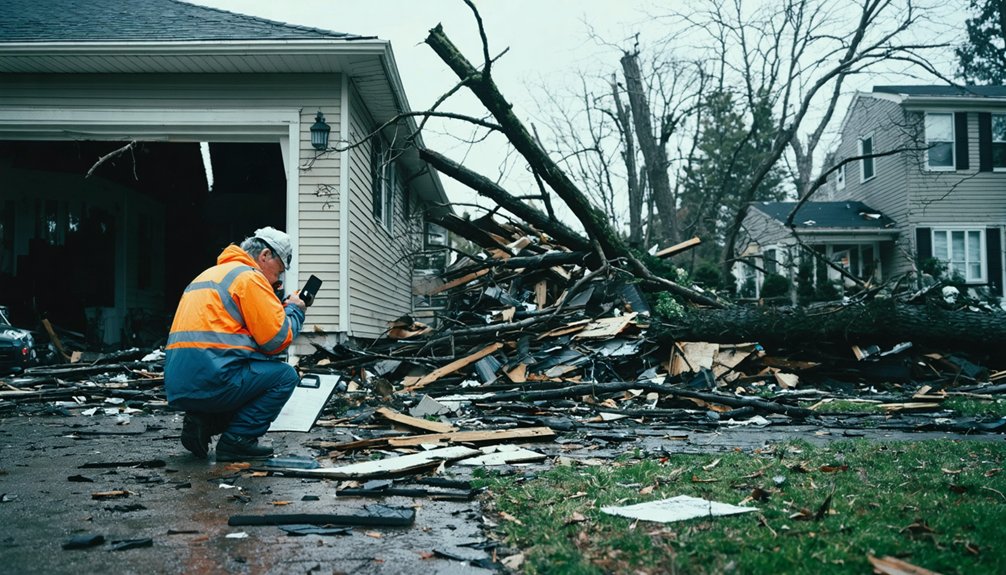
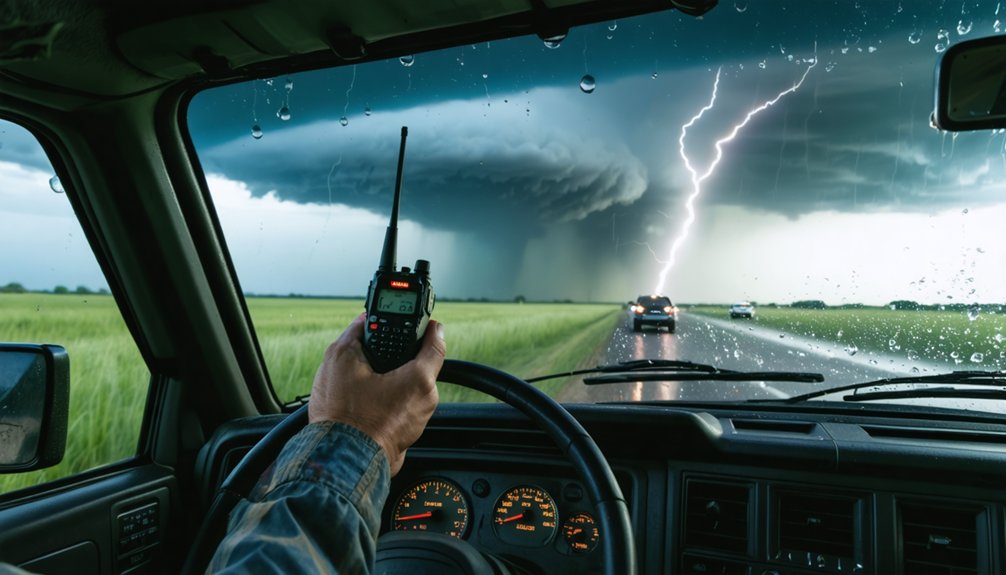
Leveraging social media for emergency response coordination means using platforms like X, Facebook, and Instagram to push real-time alerts, monitor crowdsourced intelligence, and coordinate resources across affected areas. You’ll track geotagged posts, counter misinformation fast, and integrate verified social data into your command systems. But none of it works without trained staff, defined roles, and documented protocols in place before an incident strikes. The strategies that separate effective agencies from reactive ones are all ahead.
Key Takeaways
- Social media enables real-time situational awareness by monitoring geotagged posts, incident hashtags, and crowdsourced reports during active emergencies.
- X delivers the fastest public alerts, while Facebook, Instagram, and TikTok reach broader and more diverse audiences effectively.
- Verified crowdsourced data integrated into emergency management systems improves resource allocation and reduces response time significantly.
- Dedicated staffing roles, approval workflows, and shift rotations prevent communication breakdowns during high-pressure emergency operations.
- Early rumor detection through active social monitoring allows agencies to push rapid factual corrections before misinformation spreads widely.
What Emergency Managers Actually Use Social Media For
Emergency managers use social media for far more than broadcasting alerts—it’s a multi-directional operational tool that spans the full emergency management cycle.
You’re gathering crowd-sourced intelligence, monitoring geotagged posts, correcting misinformation, and coordinating resource deployment—all simultaneously.
Crowd-sourced intelligence, geotagged posts, misinformation correction, resource coordination—modern emergency management runs on simultaneous, real-time social media action.
Crisis engagement strategies drive how you communicate before, during, and after incidents, while audience analysis techniques help you identify who’s receiving your message and who isn’t.
You use platforms to detect early warning signals, prioritize field decisions, and build community trust long before a disaster strikes.
Social media connects your operations to real-time ground conditions, filling gaps that official reports often miss.
When you integrate these signals into your emergency management systems, you move faster, allocate smarter, and lead with greater precision.
Which Platforms Work Best for Real-Time Crisis Communication
Not every platform performs equally when seconds matter. X delivers the fastest public reach and remains the standard for real-time crisis updates, breaking news, and official alerts.
Facebook extends your audience engagement across broader demographics, particularly older adults who rely on community groups for local information.
Instagram and TikTok amplify visual content—use them to push evacuation routes, shelter locations, and field footage quickly.
YouTube supports longer briefings and live streams when sustained platform effectiveness matters.
LinkedIn works for coordinating with partner agencies and professional stakeholders.
Mobile accessibility across all these channels keeps your messaging active even when traditional infrastructure fails.
Match your platform to your audience, your content type, and the speed the incident demands.
Don’t default to one channel when multiple work simultaneously.
How to Turn Crowdsourced Social Data Into Situational Awareness
Knowing which platforms carry your message is only part of the operational picture. You also need to extract usable intelligence from what the public posts. That’s where crowdsourced intelligence becomes a force multiplier.
Deploy social listening tools to monitor geotagged posts, incident hashtags, and image metadata. These signals reveal damage patterns, access failures, and unmet needs faster than field reports alone.
Filter what you collect. Not every post is accurate, so you need verification workflows before acting on raw data.
Once verified, integrate that intelligence into your emergency management systems. Cross-reference social signals with official reports to build a sharper operational picture.
When you treat public posts as structured data rather than noise, you’ll shorten decision cycles and position your response ahead of conditions on the ground.
How to Stop Rumors Before They Undermine Your Emergency Response
Rumors spread fast during emergencies, and if you’re not monitoring social channels in real time, false information will outpace your official messaging before you can respond.
When you spot a rumor early, push a direct, factual correction immediately through your verified accounts—don’t wait for the story to gain traction.
Maintaining a single, consistent authoritative voice across all platforms keeps the public anchored to accurate information and prevents conflicting reports from eroding trust in your response.
Identifying Rumors Early
During an emergency, how quickly you identify a rumor often determines whether you can contain it or watch it spiral into a crisis.
Effective rumor detection starts with active monitoring before false narratives gain traction. Use these four misinformation tracking priorities:
- Monitor hashtags and keywords tied to your incident in real time across X, Facebook, and Instagram.
- Flag posts that contradict official information and document the source, timing, and reach.
- Track spikes in public questions about specific topics—repeated confusion signals a rumor gaining momentum.
- Set platform alerts for your agency’s name, the incident location, and related terms.
You can’t correct what you haven’t caught.
Early detection gives you the response window you need to protect public trust.
Rapid Official Clarification
Early detection only matters if it triggers action. Once you’ve identified a rumor, you need to counter it immediately through official updates across every active platform.
Don’t wait for internal approval chains to slow you down — pre-authorize your social media team to publish rapid corrections during declared incidents.
Your crisis communication strategy should include pre-drafted response templates for common misinformation scenarios: evacuation route changes, shelter availability, and casualty figures.
Customize and deploy them fast.
Push corrections directly into the conversation. Reply to viral posts, use the same hashtags spreading false information, and pin clarifying statements at the top of your profiles.
Authoritative, consistent messaging repeated across channels stops rumors from hardening into public belief.
Speed and clarity are your strongest tools.
Maintaining Authoritative Messaging
Once a rumor takes hold, correcting it costs far more effort than preventing it. You need message consistency across every channel before confusion spreads.
Fragmented information surrenders your authority to whoever speaks loudest.
Protect your credibility by following these four directives:
- Designate one voice. Assign a single authorized spokesperson to approve all public-facing posts.
- Synchronize platforms. Push identical core messaging across X, Facebook, and Instagram simultaneously.
- Monitor continuously. Track audience engagement metrics and comment threads to catch contradictions early.
- Correct immediately. When errors surface, issue direct, factual corrections without ambiguity or delay.
Your community’s ability to make informed decisions depends on trusting your information.
Don’t let competing narratives strip that trust away.
How to Coordinate Resources and Deploy Aid Faster Using Social Media
When a disaster unfolds, every minute of delayed resource deployment costs lives and deepens damage. Social media gives you direct access to real-time resource identification — pinpointing exactly where supplies, personnel, and shelter are needed before official reports catch up.
In a disaster, delayed deployment costs lives — social media maps real-time needs before official reports catch up.
You can monitor geotagged posts, location-based hashtags, and crowdsourced updates to map urgent needs across affected areas instantly.
Use that intelligence for aid prioritization. Push critical resources to the highest-need locations first, cutting duplication and waste.
Integrate social media data into your emergency management systems to keep field teams aligned with command decisions.
When communities post shortages or access failures, respond fast. You hold the operational advantage when you treat social media as a live intelligence feed — not an afterthought.
Why Your Social Media Response Fails Without the Right Team and Policies

Without the right team in place, your social media response will break down when it matters most.
Undefined staffing roles, missing policies, and unstructured workflows leave your agency reactive instead of prepared.
You need clear accountability, documented procedures, and trained personnel before an incident occurs—not during one.
Staffing Roles and Responsibilities
Even the most sophisticated social media strategy collapses without a defined team to execute it. Role definition eliminates confusion when seconds matter. Assign responsibilities before an incident occurs, not during one.
Build your team around these four core functions:
- Monitor — Track public feeds, hashtags, and geotagged content continuously.
- Publish — Draft, approve, and distribute official messaging across platforms.
- Verify — Cross-check crowdsourced reports against confirmed operational data.
- Respond — Engage directly with public questions, corrections, and urgent requests.
Staff training must cover platform protocols, verification standards, and escalation procedures. Each person needs to know their lane.
When your team operates with clarity and autonomy, your response stays accurate, fast, and credible under pressure.
Policy Gaps Undermine Response
Defined roles give your team direction, but roles alone don’t protect your response. Without policy frameworks governing how your team acts, decisions stall, accountability disappears, and misinformation impact grows unchecked.
You need clear rules addressing data ownership, platform risks, and ethical considerations before an incident forces the issue.
Policy gaps create communication barriers that slow coordination and erode public trust. If your engagement strategies aren’t documented, staff improvise—and improvisation during a crisis invites inconsistency.
Accessibility issues compound the problem when policies fail to account for diverse audiences who need information in multiple formats.
Don’t surrender control to platform dependencies or undefined workflows. Build policies that establish boundaries, assign accountability, and protect your operation.
Without them, your social media response remains vulnerable regardless of how capable your team is.
Workflow Structure Matters
Policies and roles only work when they’re embedded in a workflow that your team can execute under pressure.
Without workflow optimization, your communication strategies collapse when speed matters most.
Structure your response workflow around these four priorities:
- Assign a dedicated monitor who tracks incoming social signals continuously during active incidents.
- Establish approval chains that allow fast clearance of official posts without bureaucratic delays.
- Integrate social intelligence directly into platforms like WebEOC so field teams act on verified data.
- Schedule shift rotations to prevent fatigue-driven errors during extended operations.
Each element protects your team’s capacity to communicate accurately and quickly.
When your workflow runs efficiently, you control the information environment instead of reacting to it.
Frequently Asked Questions
Can Social Media Replace Traditional Emergency Alert Systems Entirely?
You can’t rely on social media reliability alone—it fails, it falters, it’s controlled by third parties. For crisis communication, you need traditional alert systems working alongside social media, not replaced by them.
How Do Agencies Handle Social Media Access During Prolonged Power Outages?
During prolonged power outages, you must deploy mobile-powered hotspots, satellite uplinks, and generator-backed devices to maintain social media access. Prioritize community engagement and coordinate power restoration updates through pre-positioned, battery-supported communication assets to sustain uninterrupted public outreach.
What Legal Risks Arise From Sharing Unverified Public Social Media Content?
Over 70% of emergency rumors spread virally before correction. When you share unverified content, you’re exposing your agency to serious legal implications, including liability for harm caused by misinformation challenges that erode public trust and compromise operational integrity.
How Should Agencies Communicate With Non-English-Speaking Communities During Emergencies?
Deploy bilingual messaging strategies across all social platforms and activate community engagement initiatives with trusted local voices. You’ll reach non-English speakers faster when you partner with cultural liaisons who amplify your official emergency content authentically.
Are There Costs Associated With Using Social Media Monitoring Tools Professionally?
Like a fire truck that’s not free, yes, you’ll face real costs. Conduct a cost analysis to weigh subscriptions against tool effectiveness, ensuring every dollar you spend actively defends your community’s safety and freedom.
References
- https://www.juvare.com/thought-leadership/blogs/how-social-media-is-revolutionizing-emergency-management/
- https://asprtracie.hhs.gov/technical-resources/73/social-media-in-emncy-response/77
- https://blog.tsfi.org/does-social-media-help-or-hinder-emergency-response/
- https://www.dhs.gov/sites/default/files/publications/Social-Media-EM_0913-508_0.pdf
- https://pmc.ncbi.nlm.nih.gov/articles/PMC8782712/
- https://drmkc.jrc.ec.europa.eu/initiatives-services/social-media-driven-disaster-risk-management
- https://www.nationalacademies.org/publications/27151
- https://www.sciencedirect.com/science/article/pii/S2212420924007428
- https://www.mdpi.com/2076-3417/15/8/4330
- https://iiardjournals.org/get/WJIMT/VOL. 10 NO. 2 2026/Social Media-Driven Coordination 230-240.pdf