If you live in a mobile home, you need a safer shelter option before storm season hits. Above-ground shelters installed in garages, closets, or basements offer the easiest access for seniors with mobility challenges. Community shelters are another reliable option — contact your local emergency management office or use the Red Cross shelter map to find nearby sites. Prepare your supplies, establish a communication plan, and keep everything ready. There’s much more you’ll want to know.
Key Takeaways
- Garages, reinforced closets, and basements are ideal above-ground shelter locations, offering short entry paths and natural protection from winds and debris.
- Community shelters can be located by contacting local emergency management, fire departments, or using the Red Cross online shelter map.
- Underground shelters pose mobility challenges for seniors, including steep stairs, heavy hatch doors, and narrow entries restricting mobility aid access.
- Shelters should meet ADA accessibility standards, featuring ramps, wide doorways, adequate ventilation, lighting, and obstacle-free entry for mobility devices.
- Essential supplies including water, medications, flashlights, and first aid kits should be prepared and checked regularly before storm season begins.
Why Mobile Homes Aren’t Safe and Where Seniors Should Go Instead
When severe storms strike, mobile homes offer virtually no protection — even a weak tornado can destroy them entirely.
Mobile home risks are serious and documented: these structures can’t withstand high winds, flying debris, or structural pressure that even modest storms produce. You shouldn’t wait for warnings to act.
Instead, identify alternative shelter options before storm season begins. Your best choices include:
- A neighbor’s or family member’s reinforced home — lowest floor, away from windows
- Community shelters — contact local emergency managers or fire departments for locations
- Mobile home park community shelters — many parks provide on-site options
You’re responsible for knowing your shelter destination in advance.
Seniors especially benefit from above-ground ADA-compliant safe rooms, which offer accessibility without sacrificing protection.
Which Above-Ground Storm Shelters Are Easiest for Seniors to Access?
Above-ground safe rooms are the most accessible storm shelter option for seniors, and three models stand out based on size and placement flexibility.
All three are ADA-compliant, making shelter accessibility a practical reality rather than an afterthought.
The Guardian fits 4–6 people and installs in closets or small rooms.
The Guardian safe room shelters 4–6 people and installs easily inside closets or small rooms.
The Defender handles 8–10 occupants and works well in garages.
The Fortress accommodates 12–14 people with a wider footprint, giving you more interior movement space.
For senior safety, above-ground placement eliminates the physical demands of descending stairs or maneuvering outdoor terrain during a storm warning.
You can install these units inside your existing home, keeping your path to shelter short, direct, and manageable regardless of your mobility level.
Which Storm Shelter Size Is Right for Your Household?
Choosing the right shelter size comes down to how many people need protection and where you plan to install it. Match your occupancy needs to the correct model before purchasing.
For 4–6 people, the Guardian measures 4′5″ wide x 4′5″ deep x 6′5″ tall. The Defender handles 8–10 occupants at 4′5″ wide x 8′5″ deep. The Fortress fits 12–14 people at 6′5″ wide x 8′5″ deep.
If you prefer underground installation, the Estate model accommodates 10–16 occupants.
Your shelter size also depends on your installation space. Above-ground units fit in garages, closets, or basements. Underground models require yard access.
Don’t underestimate future occupancy needs—choosing a slightly larger model gives you flexibility without compromising your family’s safety.
Where Should You Install a Storm Shelter at Home?
When installing a storm shelter at home, you’ll find that garages, closets, and basements offer the most practical above-ground options, keeping the unit accessible without requiring you to go outdoors during a warning.
If you prefer underground protection, you can install the Estate model in your yard or a nearby field, though you’ll need to reach it earlier once a tornado warning is issued.
Each location carries distinct trade-offs in accessibility, drainage requirements, and response time, so choose the spot that best matches your mobility needs and warning response capability.
Best Indoor Installation Spots
For seniors installing an above-ground storm shelter at home, the garage, a reinforced closet, or the basement are your three strongest options. Each location supports indoor safety and shelter accessibility without requiring you to travel outside during a warning.
- Garage: Fits panel-section models like the Guardian or Defender; keeps entry short and level.
- Reinforced closet: Interior walls add protection; minimal distance from your living space reduces response time.
- Basement: Lowest point in the home; naturally shields against EF5 winds and flying debris.
Choose the spot closest to where you spend most of your time. Shorter travel distance means faster shelter access when seconds count.
Prioritize level flooring and wide doorways to maintain mobility independence.
Backyard Underground Shelter Options
While indoor installation works well for many seniors, backyard underground shelters offer a different level of protection when interior space is limited or unavailable. The Estate model accommodates 10–16 occupants and installs directly in your yard or field within hours, giving you near-absolute protection against EF5 tornadoes.
For backyard safety, you’ll need to plan ahead. Underground installation requires proper drainage and ventilation, so assess your yard’s soil and water conditions before committing.
You’ll also need to access the shelter earlier than an interior safe room during tornado warnings, since reaching a backyard location takes additional time.
If you’re a senior prioritizing independence and maximum storm protection, an underground shelter gives you reliable, proven defense without sacrificing your home’s interior living space.
What Makes Underground Storm Shelters Harder for Seniors to Use?
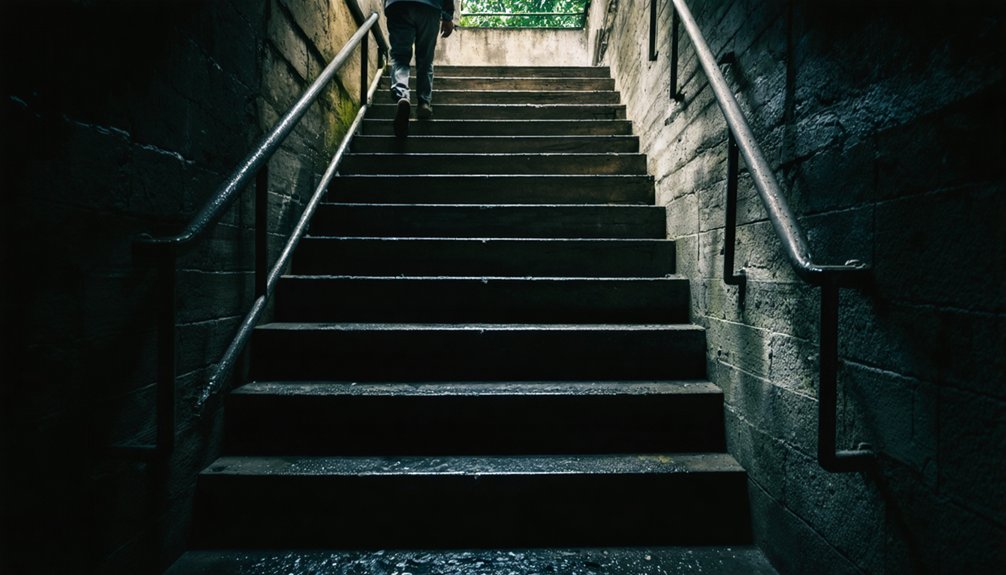
If you’re a senior considering an underground storm shelter, you’ll face two significant challenges: traversing steep entry stairs and reaching the shelter before a storm hits.
Underground models like the Estate require you to descend steps quickly under pressure, which can be dangerous if you have mobility limitations or balance issues.
You also need to access a backyard shelter earlier than an indoor unit, leaving less reaction time during a fast-moving tornado warning.
Stair And Entry Challenges
Underground storm shelters offer near-absolute protection against EF5 tornadoes, but their entry points create serious physical barriers for seniors.
Steep ladders and narrow hatches demand strength and flexibility that many older adults don’t have. Without entry modifications, shelter accessibility becomes a critical safety failure during an emergency.
Key physical barriers include:
- Steep ladder descent: Most underground hatches require climbing down 8–12 vertical steps under time pressure.
- Heavy hatch doors: Lifting a weighted door while managing balance puts seniors at fall risk.
- Narrow entry dimensions: Tight openings restrict movement for those using canes, walkers, or wheelchairs.
If you’re evaluating shelter options for a senior household, these entry challenges often make above-ground safe rooms the more practical, accessible choice.
Emergency Timing Difficulties
Beyond the physical entry barriers, timing adds another layer of difficulty that can make underground shelters genuinely dangerous for seniors. When storm alert systems trigger, you’ve got minutes—sometimes less—to reach safety.
For seniors with mobility limitations, that window closes fast. Underground shelters require you to travel outside, navigate uneven terrain, and descend steep stairs while winds are already building. Rain makes surfaces slippery. Reduced reaction time compounds every step.
Strong emergency preparedness tips address this directly: backyard shelters demand earlier departure than indoor safe rooms. You can’t wait for the siren’s second rotation.
If you need extra time to move safely, an underground shelter’s location may work against you before you ever reach the door.
How to Find a Public Storm Shelter Near You?
Where can you find a public storm shelter when severe weather threatens? You’ve got several reliable public shelter resources at your disposal—use them before a storm hits, not during one.
- Contact your local emergency manager or fire department for an updated list of designated community shelters in your area.
- Check the Red Cross shelter map online, which displays open shelter locations using tent icons, including overnight options.
- Ask mobile home park management about nearby community shelter maps, since many parks maintain designated group shelters.
Don’t wait for warnings to start searching. Identify your nearest public shelter now, confirm its hours and accessibility features, and note the route.
Conditions change after disasters, so recheck listings regularly—new sites get added as needs evolve.
How Should Seniors Prepare Their Storm Shelter Before Warning Season?
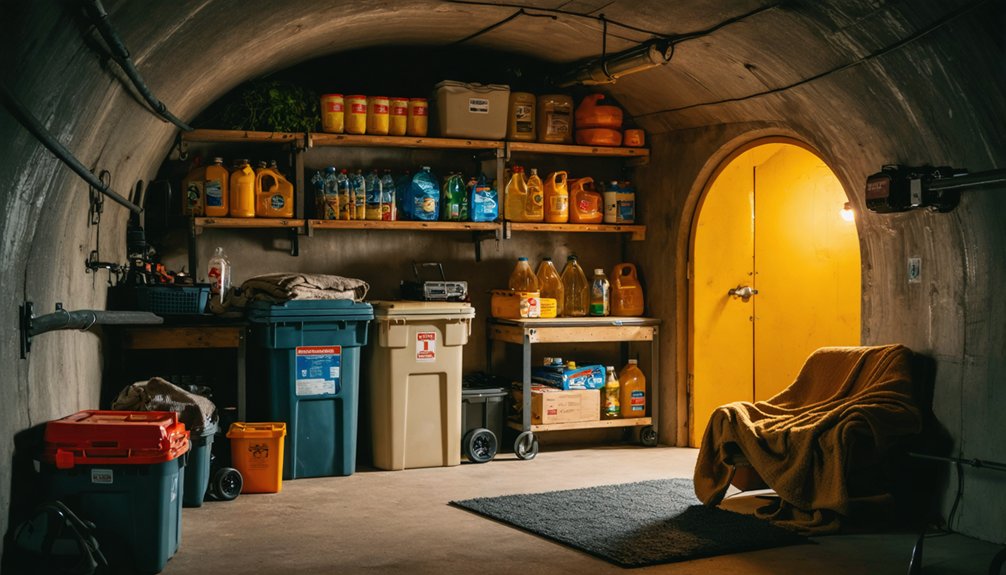
Knowing where your shelter is gets you only halfway there—you’ve also got to make sure it’s ready before storm season begins. Stock your shelter supplies now: water, medications, a flashlight, a battery-powered radio, and a first aid kit. Don’t wait until a warning is issued.
Establish clear communication plans with family members or neighbors who can assist you during an emergency. Confirm who’ll help you reach your shelter and when.
If you use a mobility device, verify your shelter meets ADA accessibility standards—above-ground safe rooms are designed with that in mind.
Test your shelter’s door, ventilation, and lighting annually. A shelter that’s stocked, accessible, and coordinated with trusted contacts gives you real, actionable protection when it counts.
Frequently Asked Questions
Can Seniors Request Priority Access at Public Community Storm Shelters?
You can contact your local emergency managers to request priority shelter accessibility for seniors. They’ll connect you with community support resources and guide you through any available accommodations at public storm shelters.
Are Storm Shelters Covered Under Medicare or Senior Assistance Programs?
Medicare doesn’t cover storm shelter insurance or installations. You’ll want to explore senior assistance programs like FEMA grants, local emergency management funds, or state-specific aid programs that may help offset your storm shelter costs.
How Do Seniors With Dementia Safely Practice Storm Shelter Drills?
Like a compass guiding you home, dementia-friendly drills anchor safety communication through calm repetition. You practice short, simple steps consistently, use visual cues, involve caregivers, and keep routines predictable so seniors with dementia build confident, instinctive shelter responses.
Can Above-Ground Shelters Accommodate Wheelchairs and Mobility Scooters Fully?
Above-ground shelters are ADA-compliant, supporting wheelchair accessibility, but you’ll need to confirm mobility scooter adaptations with your installer. Check the Guardian, Defender, or Fortress dimensions carefully to verify your specific equipment fits comfortably inside.
What Emergency Supplies Should Seniors With Medical Needs Keep Sheltered?
While chaos surrounds you, you’ll stay in control: stock your shelter with essential medications, medication management logs, mobility aids, first-aid supplies, medical documents, and emergency contacts so you’re fully prepared when severe weather strikes.
References
- https://survive-a-storm.com/residential-storm-shelters/
- https://atlassaferooms.com/safe-rooms/
- https://www.lakemartinstormshelters.com/news/tornado-shelter-ultimate-guide
- https://www.refugeshelters.com/blog/81-storm-shelters-for-seniors-key-features-for-safety-and-accessibility
- https://www.weather.gov/eax/stormanxiety-shelter
- https://www.redcross.org/get-help/disaster-relief-and-recovery-services/find-an-open-shelter.html
- https://www.familysafeshelters.com