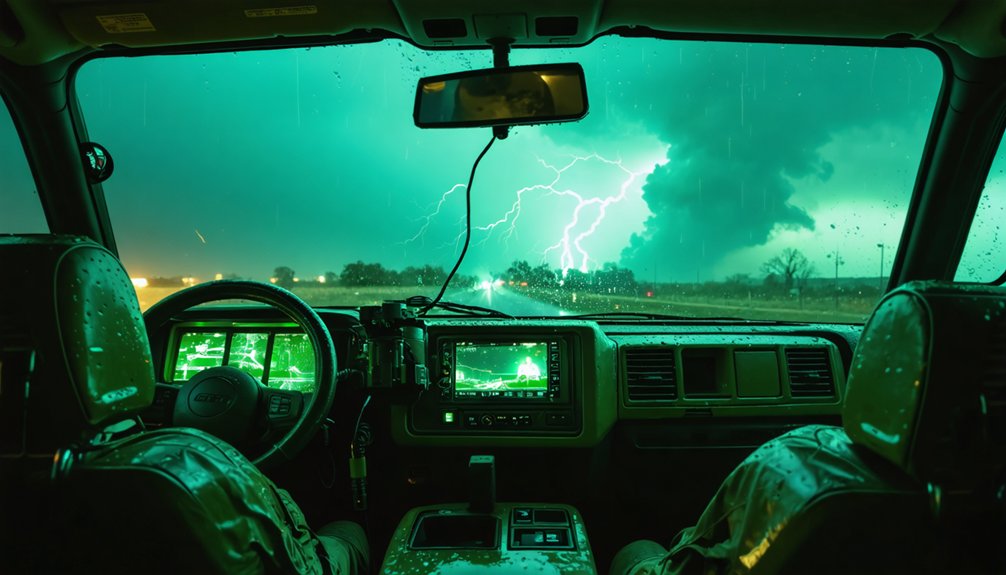
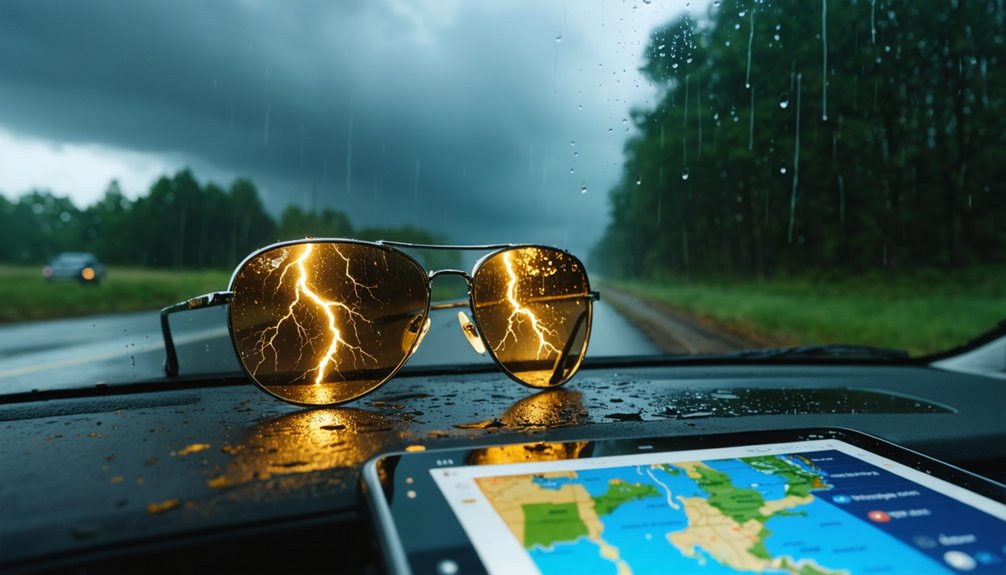
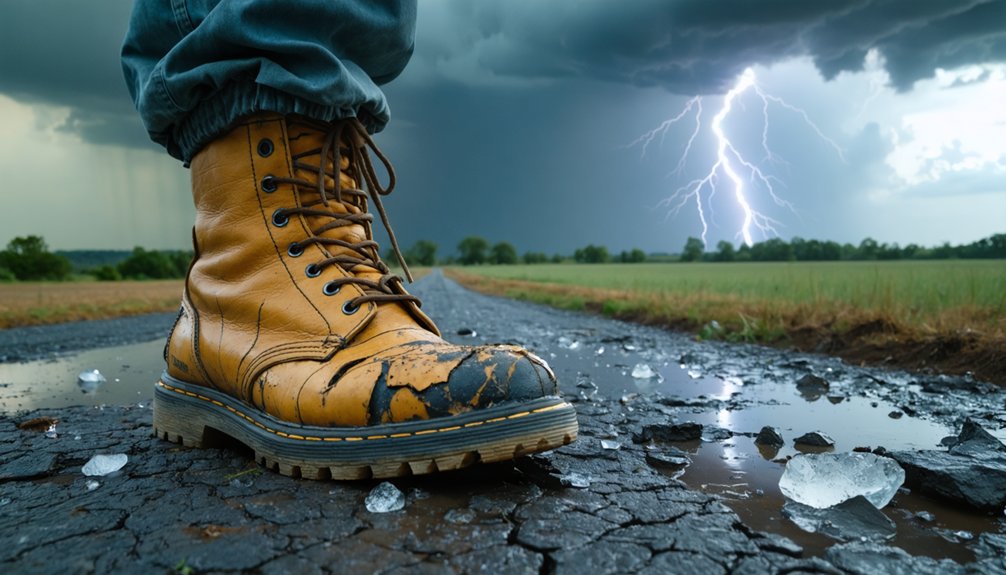
To start storm chasing, you need a well-maintained vehicle, reliable navigation tools, and basic safety gear before anything else. Prioritize a radar app like RadarScope, a GPS-enabled smartphone with offline maps, and a NOAA weather radio for alerts. Add a waterproof jacket, slip-resistant boots, and a power bank to keep devices charged. Build your kit incrementally, focusing on survival-critical items first—there’s a clear, cost-effective path to assembling everything you’ll need.
Key Takeaways
- A reliable, well-maintained vehicle is your primary safety system, requiring checked tires, wipers, and fuel before deployment.
- Radar apps like RadarScope and a NOAA weather radio provide essential real-time storm tracking and alerts.
- A GPS-enabled smartphone with offline maps and a paper atlas ensures navigation during deteriorating conditions.
- Protective gear including waterproof jackets, slip-resistant boots, gloves, and reflective vests safeguards you during outside exposure.
- Power banks, a basic first-aid kit, and recovery gear like jump starters and tire repair kits are critical essentials.
Why Your Vehicle Is the Most Important Piece of Storm Chasing Equipment
Your vehicle isn’t just transportation—it’s your primary safety system in the field. Every decision you make during a chase depends on your ability to move fast, reposition quickly, and exit dangerous situations without mechanical failure slowing you down.
Your vehicle isn’t just a car—it’s your lifeline when a storm decides to close in fast.
Prioritize vehicle maintenance before every deployment. Check your tires for adequate tread, inspect your wiper blades for clean visibility, and confirm your fuel level before entering storm country. A breakdown in a compromised environment removes your most critical escape option.
Weather awareness demands that your vehicle performs reliably under pressure—rain-soaked roads, hail strikes, and reduced visibility test every system simultaneously. Strong tires maintain traction when pavement conditions shift suddenly.
A well-maintained vehicle keeps you mobile, in control, and positioned to make smart decisions when conditions deteriorate fast.
How to Set a Beginner Storm Chasing Equipment Budget Before You Buy
Once your vehicle is sorted, the next step is deciding how much to spend on everything else before you commit to a single purchase. Set a hard budget ceiling first, then allocate funds across categories: navigation, communication, documentation, and safety.
Prioritize items that directly affect survival decisions over convenience gear. A smartphone, radar app, and NOAA radio can cover your core needs under $100. Reserve budget for food supplies, since long deployments stretch hours without reliable access to stops.
Skip a permanent storm shelter since you’ll be mobile, but keep emergency sustainment gear in your budget. Avoid buying everything at once. Build your kit in phases, starting with safety-critical tools, then add documentation and communication equipment as your experience and budget expand.
Navigation and radar tools form the operational backbone of any storm chase, so building this layer of your kit correctly from the start prevents critical gaps when conditions escalate. Prioritize these four essentials:
Navigation and radar tools form the operational backbone of any storm chase—build this layer correctly or risk critical gaps.
- Radar app (RadarScope or equivalent) – Delivers real-time storm structure visualization and storm data analysis so you’re never positioning blind.
- GPS-enabled smartphone with offline maps – Maintains route awareness when rural cell coverage drops without warning.
- NOAA weather radio – Receives watches and warnings independent of mobile data reliability.
- Paper atlas or backup map – Protects your situational awareness if GPS, power, or connectivity fails entirely.
Each tool addresses a specific vulnerability. Stack them together, and you’ve built a navigation and radar foundation capable of supporting fast, informed decisions in deteriorating conditions.
Communication Tools That Keep You Connected in Weak-Signal Areas
Reliable communication breaks down fast when you’re chasing in rural terrain, so layering your tools is the only way to maintain connectivity when one channel fails.
Start with a cellular booster to strengthen weak data signals, keeping radar and weather alerts accessible when coverage thins out.
Add a ham radio for real-time storm observation reports and emergency awareness that doesn’t depend on commercial networks.
Two-way radios handle vehicle-to-vehicle coordination when cell service disappears entirely.
A backup phone gives you communication redundancy if your primary device fails or loses power.
Keep all devices charged using power banks, and maintain spare antennas and cables to sustain operation throughout long deployments.
Each layer you add reduces the risk of going dark at the worst possible moment.
What Camera Storm Chasing Equipment Do You Actually Need?
Capturing storm structure on camera gives you a record you can analyze long after the chase ends, but the gear you bring needs to match the demands of the field. Choose equipment that’s durable, portable, and built for sustained use without reliable power access.
- DSLR or mirrorless camera — delivers sharper detail and better low-light performance than a phone.
- Video camera — documents storm motion and structure using basic photography techniques like steady framing and controlled exposure.
- Tripod or vehicle mount — stabilizes shots in high-wind conditions where handheld photography techniques fail.
- Camera accessories — pack extra batteries, high-capacity memory cards, and a waterproof case to protect gear from rain and debris.
Don’t let poor preparation cost you critical footage.
How to Power Your Storm Chasing Equipment Through a Full Chase Day
Power management can make or break a full chase day, especially when you’re operating multiple devices across long rural stretches without reliable charging access. Carry high-capacity power banks to keep your phone, radar device, and communication tools running independently of your vehicle.
For sustained battery maintenance, monitor charge levels early and rotate devices onto external sources before depletion hits.
Your power source options should include a dual-USB car charger, a 12V outlet inverter, and at least one large power bank rated above 20,000mAh. Keep spare batteries for your camera fully charged before departure.
If you’re running a cellular booster or ham radio, verify your vehicle’s alternator load stays manageable.
Consolidate cables, label ports, and build a charging rotation so nothing drops offline mid-chase.
Safety Gear for When You Step Outside the Vehicle
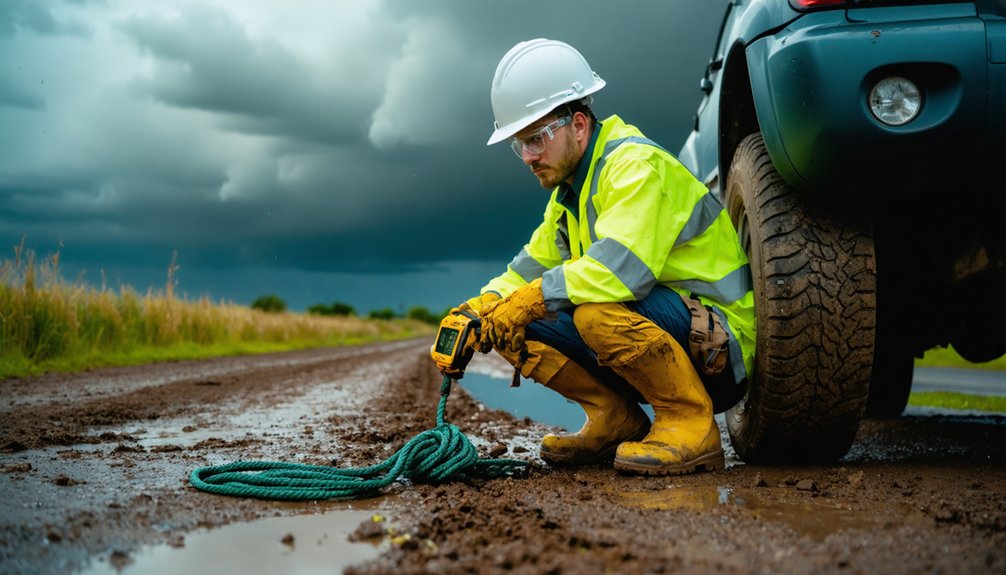
When you step outside the vehicle during a chase, you’re exposing yourself to debris, hail, wet terrain, and low visibility conditions that demand basic protective gear.
Wear a waterproof jacket, slip-resistant footwear, gloves, and safety glasses to guard against rain, mud, and hail fragments.
A reflective vest adds a critical layer of roadside visibility during low-light stops where passing traffic may not see you until it’s too late.
Personal Protective Equipment
Stepping outside your vehicle during a storm exposes you to flying debris, hail, cold wind, and unstable terrain, so your personal protective equipment needs to address each of those hazards directly. Storm safety depends on your readiness before you open that door.
Weather awareness keeps you alive, but proper gear keeps you functional in the field.
Equip yourself with these four essentials:
- Waterproof jacket — blocks rain and wind chill during fast-moving conditions
- Slip-resistant footwear — stabilizes your footing on wet grass, mud, and uneven roadside surfaces
- Gloves and safety glasses — shield your hands and eyes from hail fragments and airborne debris
- Reflective vest — maintains your visibility during low-light roadside stops
Each item serves a direct, non-negotiable purpose.
Visibility and Injury Prevention
Every second you spend outside your vehicle during an active chase introduces risk from debris, hail, unstable footing, and reduced visibility—so your safety gear has to counter each threat directly.
For storm visibility, wear a reflective vest during low-light roadside stops so passing drivers see you before it’s too late.
Safety glasses shield your eyes from hail fragments and wind-driven debris that can cause serious injury without warning.
Slip-resistant footwear keeps you stable on wet grass, mud, and uneven road shoulders where a fall can put you out of commission fast.
Gloves protect your hands during equipment handling in harsh conditions.
For injury prevention, keep a compact first-aid kit accessible in the cab—minor cuts and abrasions happen quickly when you’re operating in chaotic storm environments.
Emergency and Recovery Storm Chasing Equipment for Roadside Situations
Roadside emergencies don’t wait for convenient timing, so you’ll want recovery gear staged and accessible before you’re stuck in a field with a dead battery or a flat tire. Extensive roadside emergency kits and weather resistant clothing keep you operational when conditions turn against you.
Prioritize these four recovery essentials:
- Jump starter — a portable lithium unit lets you recover a dead battery without needing another vehicle nearby.
- Tire repair kit — carry a spare, tire iron, compressor, and fix-a-flat for fast roadside recovery.
- Tow or recovery strap — mud and soft shoulders will grab your tires without warning.
- Flashlight and road flares — night stops demand visible markers to prevent secondary vehicle strikes.
How to Build a Complete Storm Chasing Equipment Kit Without Overspending
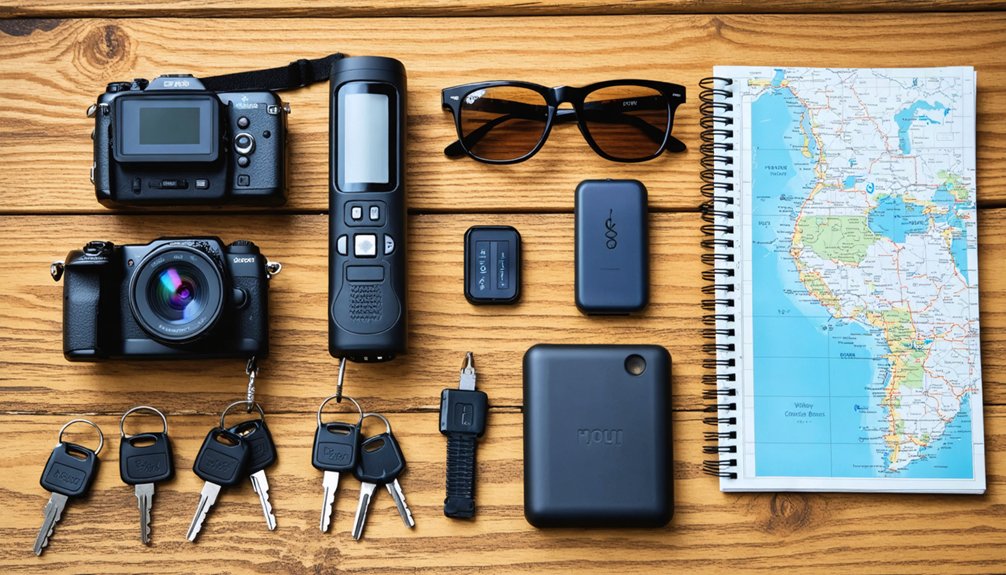
With your recovery gear sorted, the next step is pulling together a full kit without burning through your budget before you’ve chased a single storm. Prioritize essentials first: a reliable vehicle, a smartphone with offline maps, and a NOAA weather radio for weather alerts cover your foundation cheaply. Add a radar app, paper atlas, and basic first-aid kit before spending on cameras or ham radio equipment.
Build incrementally. Grab a waterproof jacket, slip-resistant boots, and a power bank early since storm safety depends on readiness, not expensive gear. Used DSLRs and refurbished GPS units cut costs considerably. Avoid buying redundant tools before you’ve identified actual field gaps.
One solid chase season reveals exactly what you need, letting you invest precisely rather than speculatively.
Frequently Asked Questions
Can Beginners Join Organized Storm Chasing Tours Instead of Chasing Alone?
Like a bird learning to fly, you can absolutely join organized tours! They prioritize storm chasing safety and provide equipment essentials, letting you chase freely while experts guide your experience before you’re ready to fly solo.
Do Storm Chasers Need Special Insurance Coverage for Weather-Related Vehicle Damage?
You’ll want specialized insurance coverage beyond standard policies, as most don’t cover storm-related vehicle protection. Disclose your chasing activities to your insurer and explore all-inclusive plans that explicitly cover weather-event damage risks.
Are There Legal Restrictions on Where Storm Chasers Can Drive or Park?
You’ll face legal restrictions on private property, closed roads, and emergency zones. Always respect parking regulations near active scenes, as law enforcement can remove you. Know your rights, but don’t compromise access by ignoring posted boundaries.
How Do Beginners Find Experienced Mentors Before Their First Solo Chase?
Roads converge like mentors do—join the chase community through storm chasing forums, Facebook groups, and local spotter networks. Mentor networking happens naturally when you attend SkyWarn training and regional chase events.
What Weather Conditions Should Beginners Absolutely Avoid When Starting Out?
Avoid nighttime tornadoes, HP supercells, and flash flood zones when you’re starting out. Your storm safety depends on weather awareness—don’t chase in terrain that limits escape routes or when visibility’s compromised by heavy rain and darkness.
References
- https://store.sirui.com/blogs/guides/essential-equipment-for-storm-chasing-guide-for-2025
- https://www.youtube.com/watch?v=Sr2lz72ZYwM
- https://crazystormchasers.com/essential-storm-chasing-gear-list/
- https://www.reddit.com/r/stormchasing/comments/1ccqg2e/storm_chasing_as_a_hobby_what_equipment_do_i_use/
- https://crazystormchasers.com/first-time-storm-chasing-what-to-bring-and-what-to-expect/
- https://www.benholcomb.com/storm-chasing/equipment/
- https://www.benholcomb.com/storm-chasing/equipment/items-in-my-storm-chase-vehicle/
- https://www.reddit.com/r/stormchasing/comments/1hjxvuy/suggestions_for_supplies_for_my_first_chase/
- https://www.youtube.com/watch?v=st1NkSuT1BA
- https://science.howstuffworks.com/nature/climate-weather/storms/storm-chaser3.htm