Most storm shelters don’t stock extensive medical supplies, so you can’t rely on them as your primary source. Red Cross shelters offer basic first aid, help with prescription refills, and charging stations for medical devices. Special needs shelters and Medical Equipment Power Shelters focus on generator access and space for large equipment. You should always bring your own medications and supplies. Keep exploring to understand exactly which shelter type best fits your medical needs.
Key Takeaways
- Red Cross shelters provide basic first aid, assist with prescription refills, and offer charging stations for electricity-dependent medical devices.
- Special needs shelters serve residents with mobility issues or electricity-dependent devices but require mandatory pre-registration through county emergency lines.
- Medical Equipment Power Shelters provide generator power and extra space for large medical equipment rather than stocking medical supplies.
- Shelters are not reliable medical supply sources; evacuees must bring personal medications, chargers, and necessary equipment from home.
- Call 211 or check the Red Cross shelter map to locate medical-friendly shelters before a storm approaches.
Do Any Storm Shelters Actually Stock Medical Supplies?
While storm shelters vary widely in their medical capabilities, most don’t stock extensive medical supplies on-site. Shelter stocking policies differ significantly depending on the facility type and managing organization.
Red Cross service sites typically carry first aid basics, but they’re not equipped as medical facilities.
Special needs shelters and Medical Equipment Power Shelters focus on power access and space rather than maintaining a full medical supply inventory.
You shouldn’t rely on shelters to supply your medications or specialized equipment. Bring what you need.
Officials consistently instruct evacuees to pack personal medications alongside clothing and bedding.
For immediate emergencies, shelter staff may provide CPR and can call 911, but licensed medical care isn’t guaranteed on-site.
Know your shelter type before a storm hits so you can prepare accordingly.
Red Cross Shelters: First Aid and Prescription Refills
If you need basic medical support at a Red Cross shelter, you’ll find first aid services available on-site to address minor injuries and immediate health concerns.
Staff can also assist you with refilling prescriptions you lost or left behind during evacuation, helping you maintain continuity of care.
Additionally, you can charge electricity-dependent medical devices at designated charging stations, making Red Cross Service Sites a practical option for short-term medical needs.
Basic First Aid Services
When a storm forces you from your home, Red Cross Service Sites provide essential first aid, prescription refills for lost medications, replacement eyeglasses, emotional support, and charging stations for medical devices. Understanding shelter medical protocols helps you act quickly and efficiently.
Follow these medical supply logistics steps at any Red Cross site:
- Report immediately to staff if you need first aid or prescription replacement.
- Bring documentation when possible — prescription labels or medical records speed the refill process.
- Charge medical devices at designated stations before power needs become critical.
- Request emotional support services directly — staff can connect you with trained counselors on-site.
These sites aren’t full medical facilities, but they’re equipped to handle short-term needs until you regain stable footing.
Prescription Refill Assistance
Losing your medications during a storm evacuation doesn’t have to become a medical crisis. Red Cross Service Sites provide prescription refill assistance, helping you replace lost or forgotten medications quickly. When you arrive, staff can connect you with resources to refill critical prescriptions, so you maintain continuity of care without delay.
To stay prepared, build a solid medication storage system before disaster strikes. Keep a dedicated medical kit stocked with a current medication list, dosage information, and your prescriber’s contact details. This documentation speeds up the refill process at any Red Cross site.
Don’t wait until a storm threatens to organize your supplies. Proactive medication storage and a well-organized medical kit give you the independence to manage your health on your own terms during any emergency.
Medical Device Charging
Keeping your medical devices charged during a storm evacuation is straightforward at Red Cross Service Sites, which provide dedicated charging stations for equipment like CPAP machines, insulin pumps, and other electricity-dependent devices. These stations support your shelter safety and independence without requiring a special needs facility.
Follow these steps when you arrive:
- Locate the designated charging station area near medical supply storage zones upon entry.
- Bring your own charging cables, as sites don’t guarantee device-specific accessories.
- Notify shelter staff immediately if your device requires continuous power rather than periodic charging.
- Monitor your device throughout your stay, since charging access may rotate among residents.
Acting early secures your access and guarantees your equipment stays operational when you need it most.
Special Needs Shelters: Who They Serve and What They Provide
If you have mobility issues or rely on electricity-dependent medical devices, you qualify for a special needs shelter. You can’t simply show up—pre-registration is required so staff can arrange appropriate space and services before you arrive.
In Collier County, you’ll register through the designated emergency management phone line to secure your placement.
Who Qualifies for Admission
Special needs shelters serve two main groups: residents who rely on electricity-dependent medical devices and those with mobility issues that make general population shelters impractical.
Pre-registration is required, so you’ll need to act before a storm hits to secure your spot. Shelter capacity is limited, and medical supply storage is allocated based on registered needs.
You qualify if you meet one or more of these conditions:
- You use electricity-dependent equipment such as ventilators or oxygen concentrators
- You have mobility limitations that prevent safe use of general shelters
- You require space accommodations beyond standard shelter arrangements
- You’ve completed the county’s official pre-registration process
Contact Collier County’s registration hotline directly to confirm eligibility and reserve access before disaster conditions make communication difficult.
Pre-Registration Requirements
Because space and services are arranged ahead of time, you must pre-register before a storm hits to secure a spot in a special needs shelter. Waiting until evacuation begins puts your access at risk—capacity fills fast, and staff can’t accommodate unregistered residents with complex medical needs.
In Collier County, officials provide a dedicated registration phone line to handle pre-registration. Call it early.
Community engagement matters here because local emergency managers use registration data to allocate equipment, staffing, and power resources before the storm arrives.
Pre-registration directly supports shelter accessibility for people with mobility limitations or electricity-dependent medical devices. It ensures your specific needs are documented and prepared for.
Don’t assume space will be available—register now, confirm your information, and know your designated shelter location before conditions deteriorate.
What Medical Equipment Power Shelters Do and Don’t Offer
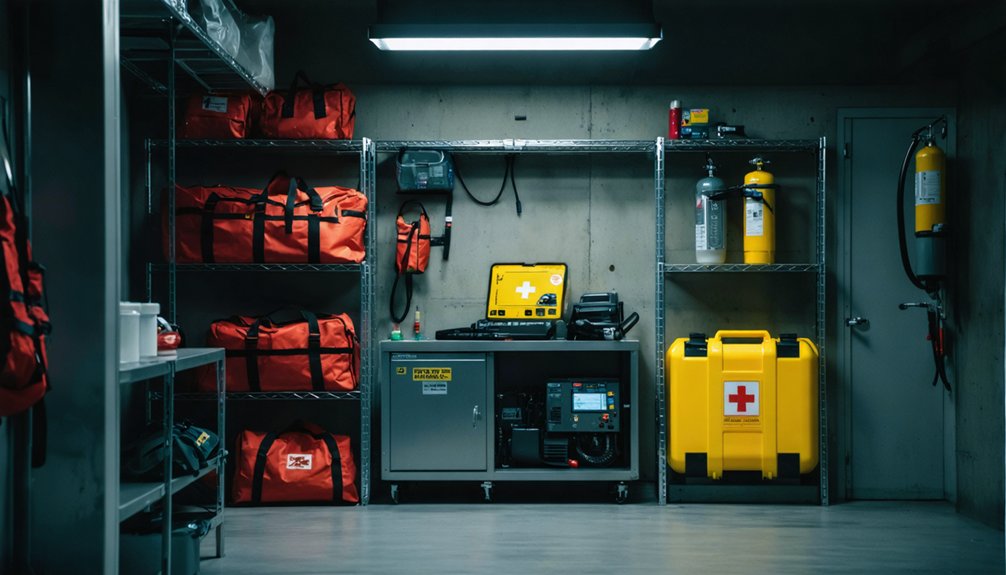
Medical Equipment Power Shelters (MEPS) in South Carolina are built around one core function: keeping your electricity-dependent medical equipment running during a disaster. They also accommodate hospital beds. Here’s exactly what you can and can’t expect:
- Generator power is provided for your medical devices.
- Extra space is available to set up and operate large equipment.
- CPR-trained staff respond to emergencies while calling 911.
- Licensed medical care isn’t provided—you must bring a caregiver.
MEPS aren’t alternative shelter options with full emergency medical resources. They don’t replace medical facilities or offer nursing care. You’re responsible for managing your own health needs beyond power access.
Know these limits before a storm hits so you can plan accordingly.
Which Storm Shelter Type Has the Most Medical Support?
When comparing shelter types, special needs shelters consistently offer the broadest medical support. They’re designed specifically for residents with mobility limitations or electricity-dependent devices, and they require pre-registration so staff can prepare shelter capacity and resources in advance.
Red Cross service sites cover first aid, prescription refills, and emotional support, but they don’t match the structured medical training and coordination built into special needs shelters.
Medical Equipment Power Shelters focus narrowly on generator access and extra space, explicitly excluding broader medical care.
If your needs go beyond power access or basic first aid, a special needs shelter is your strongest option. Contact your county’s emergency management office early, register before a disaster strikes, and confirm what medical support that specific site provides.
How to Find a Medical-Friendly Storm Shelter Near You
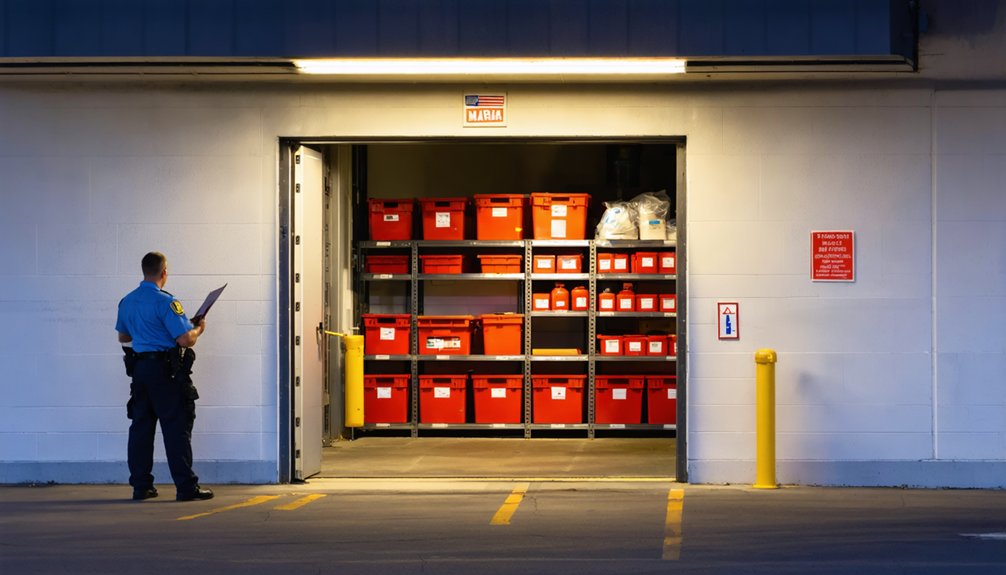
Knowing which shelter type fits your needs is only half the work—you still need to locate one before a storm hits. Use these steps to identify a medical-friendly option with proper medical supply storage and shelter accessibility:
- Call 211 — Mississippi and similar state systems connect you to open shelters, special needs assistance, and transportation options.
- Check the Red Cross shelter map — Red pins indicate relief service sites offering first aid and prescription refills.
- Pre-register for special needs shelters — Collier County requires advance registration; call your county’s emergency management hotline early.
- Contact your state’s MEPS program — If you’re electricity-dependent, confirm generator availability and caregiver requirements beforehand.
Don’t wait until the storm is imminent—verify locations, confirm services, and plan your route now.
What to Bring When No Storm Shelter Has Your Supplies
Even if you’ve confirmed a shelter’s location and services, you can’t count on it stocking what you specifically need. Emergency preparedness means taking ownership of your medical supply storage before a storm hits.
Pack a dedicated bag with your prescription medications, written dosage instructions, extra eyeglasses, and any device chargers. Include a three-day minimum supply of everything you rely on daily.
If you use electricity-dependent equipment, confirm your destination has generator access — don’t assume.
Label your supplies clearly and keep documentation of your diagnoses and prescriptions with them.
If you’re heading to a general Red Cross site, know that first aid and prescription refills may be available, but specialty items won’t be. Your preparation is your primary safety net.
Call 211 for Open Storm Shelters and Special Needs Help
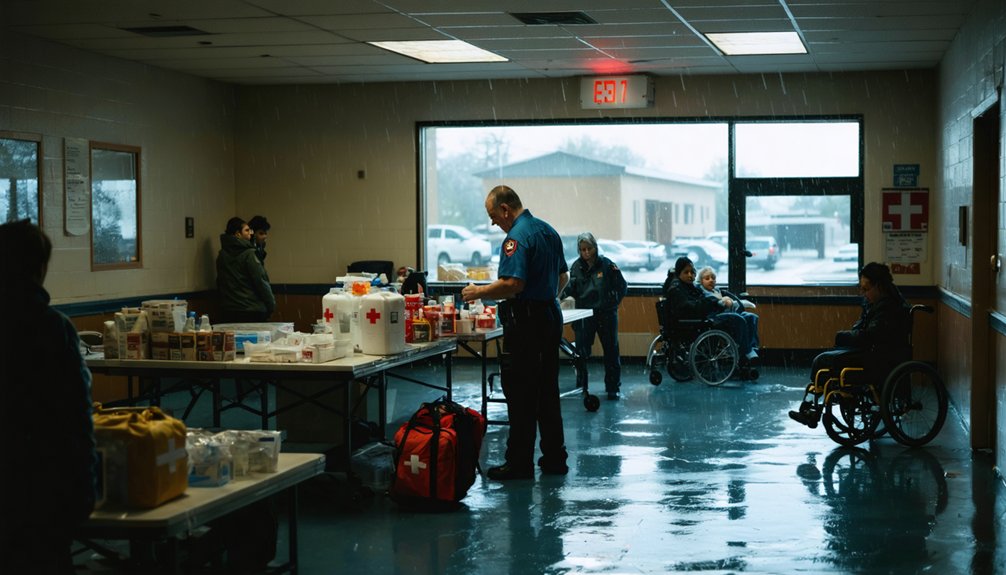
211 connects you to:
- Open shelter locations updated in real time during active disasters
- Special needs assistance for residents requiring medical support or electricity-dependent equipment
- Transportation options if you can’t reach a shelter independently
- Community outreach resources that coordinate medical training, caregiving support, and local emergency services
Don’t wait until a storm hits to learn this number. Store it now.
211 operators know which facilities have capacity, what accommodations exist, and how to route you toward the right shelter for your specific medical situation.
Register for Special Needs Shelters Before the Storm Hits
Special needs shelters don’t operate on a walk-in basis — you must pre-register before a storm arrives so staff can arrange the space, staffing, and services your condition requires. Collier County, for example, designates sites like Palmetto Ridge High School specifically for residents with mobility issues or electricity-dependent medical devices.
Pre-registration enables shelter accessibility considerations to be addressed in advance, ensuring you’re placed where your equipment fits and functions. It also allows coordinators to handle medical supply prioritization, directing resources toward residents with the most critical dependencies before demand spikes.
Call the county’s registration hotline early — don’t wait until a storm watch is issued. Once a hurricane threatens, lines flood and placement options narrow. Acting ahead keeps your options open and your care uninterrupted.
Frequently Asked Questions
Can Pets Accompany Owners in Medical-Friendly Storm Shelters?
Most medical-friendly shelters don’t allow pets, so you’ll need to arrange separate pet safety accommodations. Check each shelter’s shelter amenities list in advance, as policies vary and some locations may designate specific pet-friendly areas nearby.
How Long Can Someone Stay in a Red Cross Shelter?
You can stay in a Red Cross shelter as long as the disaster recovery requires, but you’ll need to follow storm shelter safety rules and respect shelter capacity limits throughout your stay.
Are Storm Shelters Required by Law to Stock Medical Supplies?
No law universally requires storm shelters to stock medical supplies. For storm shelter safety and emergency preparedness, you’ll want to bring your own medications, as shelters typically offer only basic first aid resources.
Do Storm Shelters Provide Mental Health Professionals During Disasters?
Like a lighthouse in a storm, some shelters offer emotional support and mental health services. Red Cross sites can connect you with counselors, but you shouldn’t expect full-time mental health professionals at every location.
Can Undocumented Residents Access Special Needs Shelters Without Registration?
You’ll need to meet registration requirements to access special needs shelters, but legal restrictions based on immigration status aren’t typically enforced—your safety takes priority. Register promptly through official channels to secure your spot and necessary accommodations.
References
- https://valleystormshelters.com/storm-shelters-in-tennessee/
- https://www.nashville.gov/departments/emergency-management/disaster-preparedness/disaster/safe-refuge-areas
- https://www.groundzeroshelters.com/blog/important-items-to-stock-in-your-storm-shelter
- https://www.redcross.org/get-help/disaster-relief-and-recovery-services/find-an-open-shelter.html
- https://www.homedefendpro.com/blog/storm-shelter-supplies-checklist-2026
- https://crazystormchasers.com/storm-shelter-locations-near-hospitals/
- https://msdh.ms.gov/page/44
- https://www.harperhealth.com/wellness-hub/hurricane-safety-guide-for-naples-residents-local-shelters-and-emergency-resources
- https://www.scemd.org/stay-informed/emergency-shelters/