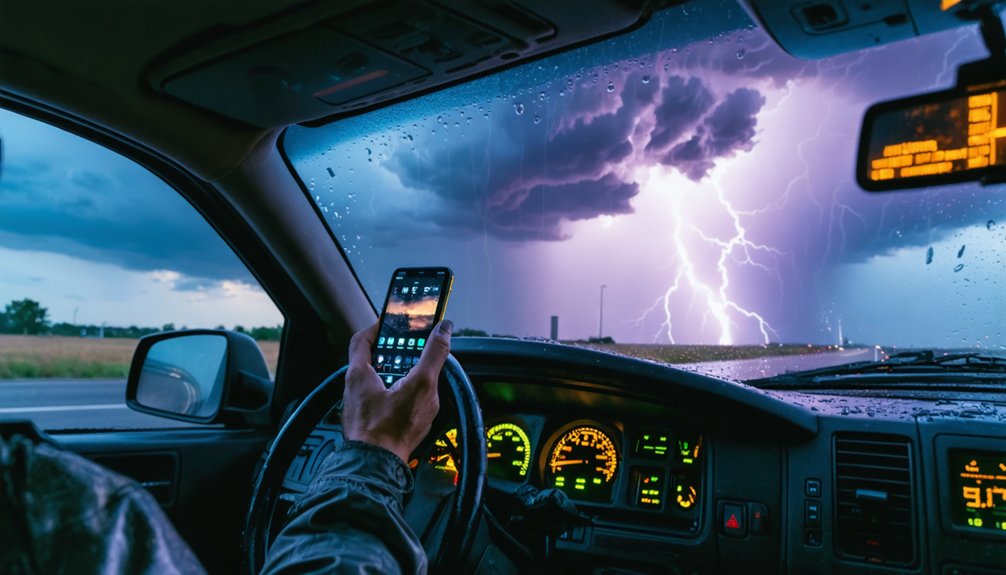
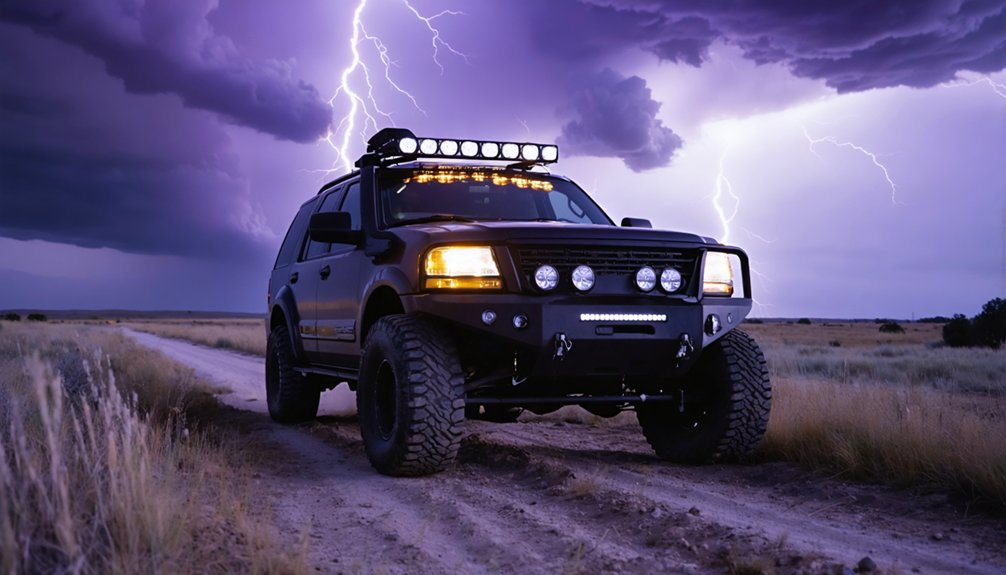
Fuel-efficient cars give you a longer operational range, fewer refueling stops, and lower per-mile costs across a full chase season. A vehicle hitting 40 MPG with a 13-gallon tank delivers roughly 520 miles before you need to stop — double what a 20 MPG truck provides. That extra range lets you reposition aggressively without losing positional advantage on fast-moving storms. The right fuel-efficient vehicle choice depends on terrain, equipment load, and how far you’re willing to push your operational limits.
Key Takeaways
- Fuel-efficient vehicles extend operational range, allowing chasers to cover 500+ miles per tank without costly refueling stops in rural areas.
- Lower fuel costs compound across a season, freeing budget for better equipment and more chase opportunities.
- High MPG enables aggressive repositioning to keep pace with fast-moving storms without losing positional advantage.
- Affordable purchase prices between $8,000–$15,000 reduce financial risk while delivering reliable, capable chase platforms.
- Compact, efficient vehicles offer superior maneuverability on paved roads, making rapid U-turns and tight repositioning easier during active chases.
Why Fuel Efficiency Matters on Long Chase Days
Storm chasing routinely demands hundreds of miles of driving in a single day, so fuel efficiency directly determines how far you can travel before budget or range forces you off a chase.
High fuel economy reduces your per-mile operating cost, which compounds considerably across multi-day expeditions through the Plains. You’re frequently covering rural corridors where gas stations sit 60 or more miles apart, making range a tactical variable rather than a convenience preference.
A vehicle delivering 35+ mpg stretches your tank into genuine strategic advantage, letting you reposition aggressively without constant refueling stops.
Vehicle durability reinforces this further—a reliable, efficient platform keeps you mobile when mechanical failure would otherwise end your chase.
Fuel economy and dependability together define how freely you can operate across unpredictable, high-mileage chase scenarios.
How MPG Determines How Far You Can Chase Without Stopping
Your vehicle’s MPG rating directly controls how far you can travel before you’re forced to stop and refuel.
A car averaging 40 MPG with a 13-gallon tank gives you roughly 520 miles of range, while a 20 MPG truck with the same tank cuts that distance in half.
Fewer refueling stops mean you stay mobile longer, which keeps you positioned to intercept fast-moving storms instead of searching for a gas station in rural Kansas.
MPG Extends Chase Range
When you’re chasing storms across the Plains, MPG directly determines how far you can travel before you’re forced to stop and refuel. Strong fuel economy translates to longer operational range, keeping you mobile when storm setups shift fast and repositioning windows are narrow.
A vehicle averaging 35 MPG with a 13-gallon tank covers roughly 455 miles per fill. At 25 MPG, that same tank yields only 325 miles. That 130-mile gap can mean the difference between intercepting a target and missing it entirely.
Rural Plains corridors regularly stretch 60-plus miles between fuel stops, so range isn’t optional. Vehicle durability compounds this advantage — a reliable, efficient platform keeps you moving without mechanical interruptions cutting your chase window short.
Fewer Stops, More Chasing
Every refueling stop you skip is a repositioning window you keep. Strong fuel economy directly expands your operational range, letting you pursue developing cells without interruption. Vehicle durability matters here too—a reliable, efficient platform keeps you moving through long chase days without mechanical delays compounding your stop count.
Three factors determine how MPG controls your chase endurance:
- Tank range – Higher MPG extends miles-per-tank, reducing mandatory stops across sparse Plains infrastructure where stations sit 60+ miles apart.
- Storm pace-matching – Fewer stops let you track fast-moving supercells without losing positional advantage during critical development windows.
- Repositioning flexibility – Retained fuel reserves give you backup intercept options when primary roads close or storm targets shift unexpectedly.
Your MPG isn’t just an economy stat—it’s a tactical asset.
Which Fuel-Efficient Cars Work Best for Storm Chasing
When choosing a fuel-efficient chase vehicle, you’ll find that sedans like the Honda Civic and Toyota Camry offer strong mpg and maneuverability. However, they trade off ground clearance and cargo space against crossovers like the RAV4, Forester, and CX-5.
These crossovers better balance efficiency with all-weather capability. Your decision hinges on how much off-pavement driving, equipment load, and terrain variability your chase routes typically involve.
Matching the vehicle’s actual performance profile to your operational needs—not just its mpg rating—determines whether it’ll hold up across a full chase season.
Top Recommended Chase Vehicles
Which fuel-efficient cars actually hold up across a full chase season? Fuel economy and road safety both factor into every vehicle decision you’ll make before heading into tornado alley.
Three models consistently perform across these demands:
- Toyota Prius – Delivers 50+ mpg, maximizing range between rural fuel stops while keeping operating costs minimal across high-mileage chase days.
- Subaru Forester/Outback – Combines all-wheel drive with reasonable efficiency, giving you all-weather traction without sacrificing the maneuverability you need for rapid repositioning on paved Plains roads.
- Toyota RAV4 – Balances cargo capacity, ground clearance, and solid mpg, making it a practical crossover that handles most chase scenarios without demanding truck-level fuel costs.
Each option lets you stretch your budget across an entire active season.
Sedans Versus Crossovers
Beyond model recommendations, the broader choice between sedans and crossovers shapes how you’ll perform across a full season. Sedans deliver superior fuel economy and agility on paved Plains highways, making them effective for solo chasers prioritizing range and repositioning speed.
However, vehicle safety becomes a real variable when weather conditions deteriorate—crossovers respond better when you’re steering through rain-slicked backroads, shallow flooding, or debris-scattered pavement.
Crossovers like the RAV4, Outback, and Forester add ground clearance and all-wheel drive without sacrificing meaningful efficiency. You’ll trade slightly higher fuel costs for broader operational capability.
If your chase territory stays mainly paved, a sedan performs competitively. If you’re regularly cutting rural routes or facing unpredictable weather conditions, a crossover’s added margin justifies the modest efficiency gap.
Balancing Efficiency With Capability
Balancing fuel efficiency with operational capability ultimately comes down to matching your specific chase profile to a vehicle’s actual performance envelope. Prioritize reliability first—a breakdown on a remote Plains road ends your chase immediately.
Then evaluate:
- Range and repositioning speed: Choose a vehicle achieving 35+ mpg or 500+ miles per tank to minimize stops during fast-evolving setups.
- Interior comfort and ground clearance: Interior comfort sustains focus across 10-hour chase days, while adequate clearance handles washouts and debris without sacrificing efficiency.
- Aesthetic appeal versus function: Aesthetic appeal shouldn’t drive your selection—capability, visibility, and cargo space should.
Crossovers like the RAV4 or Forester deliver the strongest balance, combining AWD traction, acceptable mpg, and practical durability without forcing you into an oversized, fuel-hungry platform.
What Fuel-Efficient Chase Vehicles Cost to Buy and Run
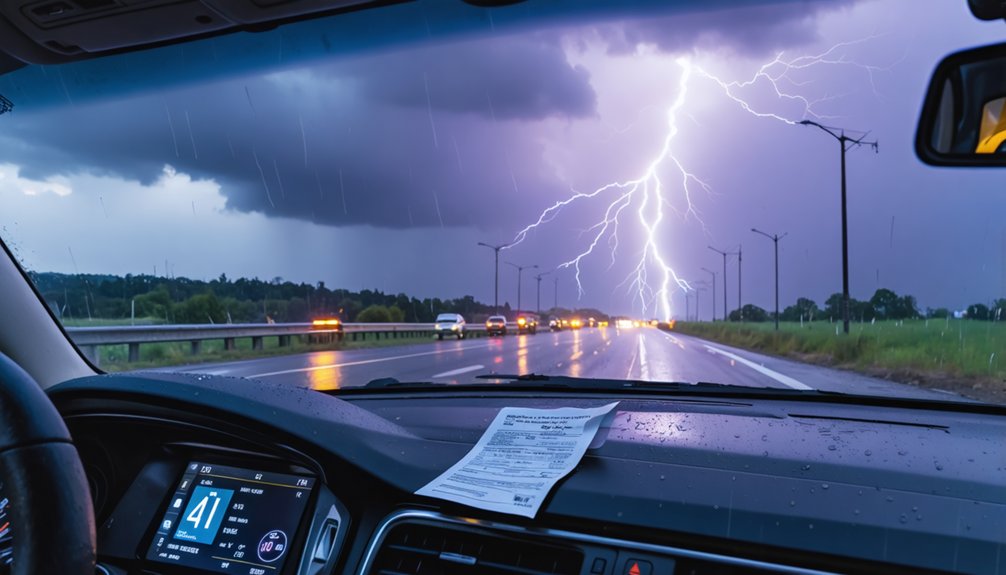
The total cost of running a fuel-efficient chase vehicle breaks into two categories: acquisition and ongoing operation. A used Forester, Civic, or Prius typically runs $8,000–$15,000, lowering your entry point considerably versus a full-size SUV or truck. That lower purchase price also reduces your financial exposure when hail or debris damages the vehicle.
On the operational side, a thorough cost analysis reveals compounding fuel savings across a full chase season. At 30+ mpg, you’re cutting per-mile costs sharply compared to a 15-mpg truck.
Factor in lower routine maintenance expenses and cheaper insurance premiums on economy models, and the numbers favor efficiency markedly. You keep more capital available for equipment, travel, and target flexibility—exactly the financial freedom active chasing demands.
How Compact Cars Handle Fast Repositioning on Storm Days
When a storm setup shifts abruptly, compact cars give you a measurable repositioning advantage over heavier platforms. Smaller dimensions resolve urban congestion and parking challenges faster, letting you maintain pace with rapidly evolving storm structures.
Three key repositioning advantages compact cars deliver:
- Tighter turn radius — Execute U-turns and three-point turns quickly on narrow Plains roads without losing critical intercept windows.
- Faster acceleration response — Lighter curb weight translates to quicker speed recovery after stops, keeping you ahead of forward-moving storm structures.
- Simpler navigation around debris — Smaller footprints let you thread through fallen branches, road blockages, and tight shoulders that would stop larger platforms entirely.
These mechanical realities make compact vehicles genuinely competitive tools when storm days demand constant, aggressive repositioning across changing road networks.
Fuel-Efficient Cars on Paved Storm Chasing Roads
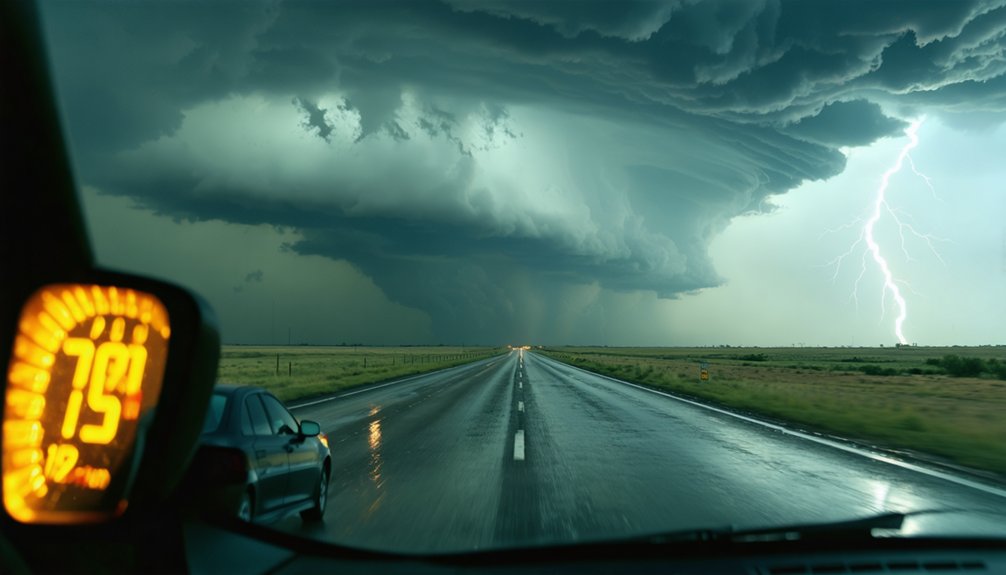
Repositioning speed matters, but so does where those repositions actually happen. Most storm chasing miles run across paved road infrastructure, not backcountry trails. That reality works directly in favor of fuel-efficient vehicles.
Most storm chasing miles happen on pavement — and that reality works directly in favor of fuel-efficient vehicles.
Front-wheel-drive sedans and crossovers perform reliably on asphalt, giving you consistent traction, predictable handling, and strong fuel economy throughout a chase day.
Models like the RAV4, CX-5, and Outback occupy a practical middle ground — they combine all-wheel drive with better mpg than full-size trucks without sacrificing road capability.
On paved Plains highways, you’re not losing anything by skipping the heavier platform. You’re gaining range, lower operating cost, and easier maneuverability.
When your primary battlefield is pavement, a fuel-efficient car isn’t a compromise — it’s the analytically sound choice.
Do Economy Cars Hold Up on Rough Plains Roads?
Paved roads dominate most chase routes, but Plains infrastructure includes its share of washboards, pothole-riddled county roads, and debris-scattered shoulders that test any vehicle’s durability. Economy cars carry lighter vehicle payloads and have lower ground clearance, so off-road durability becomes a real concern when conditions deteriorate.
Three factors determine whether an economy car holds up:
- Ground clearance — Compact sedans typically offer 5–6 inches, which limits safe passage over washouts or deep ruts.
- Suspension stiffness — Economy platforms aren’t engineered for repeated rough-road stress, accelerating wear on struts and tie rods.
- Debris exposure — Lower undercarriage height increases vulnerability to rock strikes and road debris.
Crossovers like the Forester or RAV4 better balance fuel efficiency with enough clearance and structural resilience for mixed-surface chasing.
Balancing Fuel Economy With Reliability and Ground Clearance
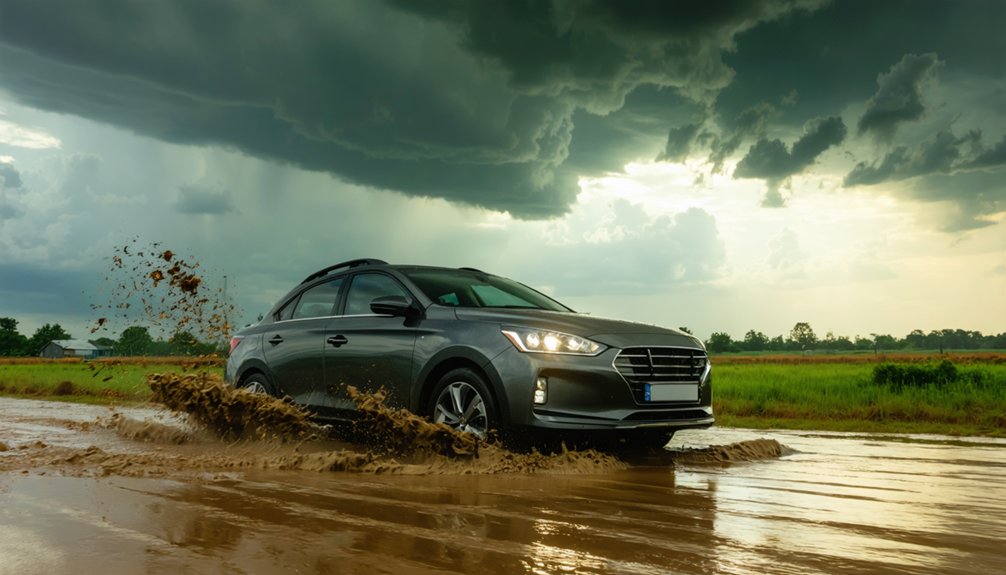
Ground clearance and rough-road durability set a hard floor on which fuel-efficient vehicles actually qualify for chase use, but reliability sets the ceiling. If your target vehicle can’t clear washboard gravel, pothole-scarred county roads, or debris scatter, fuel savings become irrelevant when you’re stranded mid-chase.
You need to evaluate ground clearance alongside mpg, not after it. Crossovers like the Forester, RAV4, and Outback clear roughly 8–9 inches, giving you meaningful off-road durability without sacrificing efficiency.
Standard sedans typically clear 5–6 inches, limiting road options when conditions deteriorate fast.
Reliability anchors everything. A high-mpg vehicle that breaks down 80 miles from the nearest shop ends your chase entirely. Prioritize proven mechanical records, then layer in clearance and efficiency as complementary variables.
Is a Fuel-Efficient Car Enough for Solo Storm Chasers?
For solo chasers working paved Plains roads on a tight budget, a fuel-efficient car isn’t just adequate—it’s often the smarter operational choice. You’re not running TIV operations—you’re repositioning fast, conserving resources, and staying mobile. A compact or crossover handles that well.
Three practical advantages stack up quickly:
- Lower insurance considerations — cheaper vehicles typically carry lower premiums and replacement costs after hail or debris damage.
- Reduced running costs — better mpg directly extends your operational range without extra stops.
- Vehicle aesthetics work for you — an unassuming sedan draws less attention near storm structures, giving you cleaner positioning freedom.
If your chase profile stays paved and solo, a fuel-efficient car meets your operational demands without unnecessary overhead.
Frequently Asked Questions
Can Hybrid Vehicles Handle Extreme Weather Conditions During Active Storm Seasons?
Yes, hybrids offer solid hybrid durability and weather resilience for active storm seasons. You’ll find they handle paved-road repositioning efficiently, though you must verify ground clearance and reliability before deploying them in extreme, debris-strewn chase conditions.
How Does Hail Damage Affect Insurance Costs for Fuel-Efficient Chase Cars?
Hail damage hikes insurance costs, but you’ll find fuel-efficient chase cars cheaper to repair and replace. Their lower value reduces all-encompassing premium exposure, keeping your financial freedom intact when storm seasons repeatedly batter your vehicle.
Do Fuel-Efficient Cars Support Mounting External Weather-Monitoring Equipment Effectively?
You’ll find fuel-efficient cars support external weather-monitoring equipment mounting effectively. Their structural frames accommodate roof racks and sensor arrays without considerably impacting fuel consumption, and manageable vehicle maintenance keeps your monitoring systems field-ready during demanding chase operations.
Are Fuel-Efficient Vehicles Safe When Driving Near Tornado Debris Fields?
Fuel-efficient cars offer mobility, yet debris fields demand vehicle durability and emergency preparedness. You’ll navigate hail, road hazards, and wreckage more effectively when you’ve prioritized reliability, ground clearance, and quick repositioning over pure fuel economy alone.
Can Two Chasers Comfortably Share a Compact Fuel-Efficient Vehicle Long-Term?
You can share a compact long-term if you prioritize vehicle maintenance and manage cargo efficiently. Strong fuel economy offsets cramped quarters, but you’ll need disciplined gear organization and clear communication to sustain comfort across extended chase seasons.
References
- https://davidmayhewphotography.com/the-perfect-storm-chase-vehicle/
- https://www.reddit.com/r/stormchasing/comments/w42cwc/ideal_vehicle_for_storm_chasing/
- https://www.facebook.com/groups/1821133111780534/posts/2065668000660376/
- https://clarencesmith.substack.com/p/the-true-cost-of-storm-chasing
- https://crazystormchasers.com/budget-friendly-storm-chasing-vehicles/
- https://www.reddit.com/r/stormchasing/comments/1ptfvdw/stormchasers_cars/
- https://www.reddit.com/r/stormchasing/comments/1jsmch9/why_do_so_many_storm_chasers_drive_the_little/
- https://www.tornadosimulator.net/storm-chase-vehicle-buying-guide/
- https://www.youtube.com/watch?v=Ex0hd-NG224