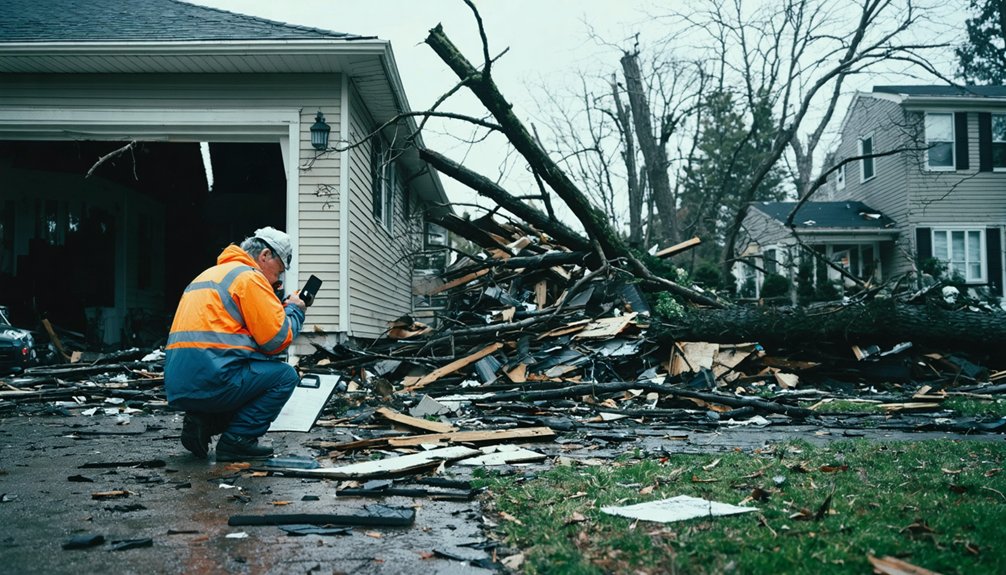
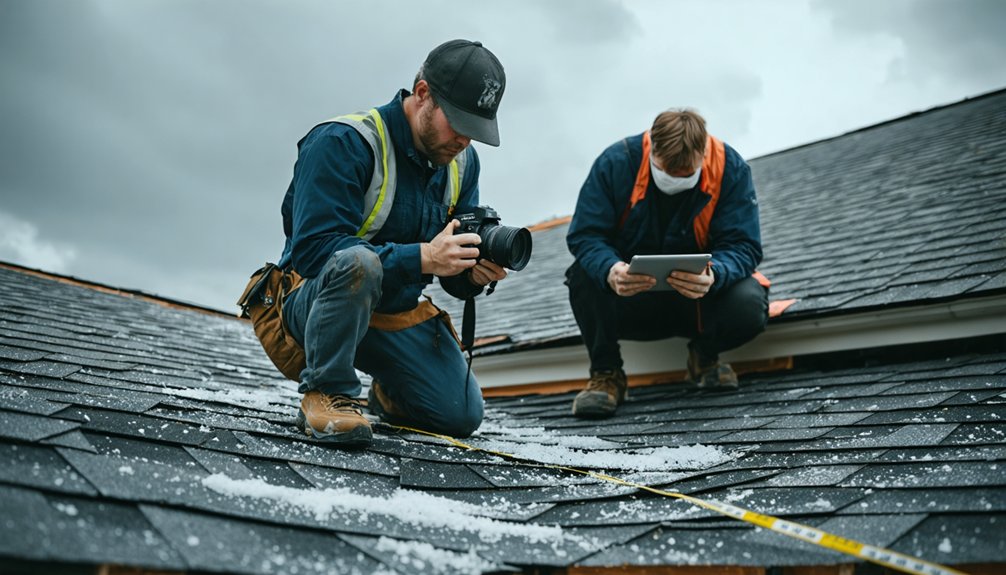
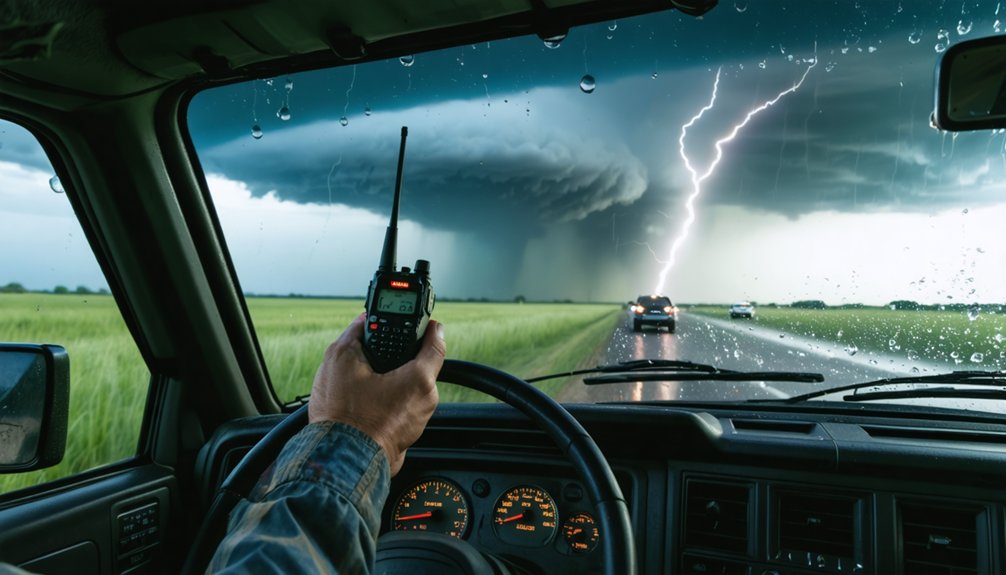
Proper documentation is essential because it’s your only technical proof that storm damage occurred, when it occurred, and what caused it. Without timestamped photographs, written inventories, and verified weather reports, insurers can deny your claim or attribute damage to pre-existing wear. Clear evidence establishes causation, captures the full scope of destruction, and prevents costly undervaluation. If you want to protect your claim from every angle, there’s much more you need to know.
Key Takeaways
- Timestamped photographs visually link storm events to property damage, establishing clear causation and preventing insurers from attributing failures to pre-existing wear.
- Written inventories itemize all damaged components by location and material, ensuring no damage is overlooked during the claims assessment process.
- Official weather reports and radar data confirm storm intensity, strengthening the connection between the weather event and documented property damage.
- Organized documentation reduces the risk of claim denials, undervaluation, and insurer disputes by providing accurate, verifiable evidence of destruction scope.
- Retaining contractor records and repair receipts builds a causation timeline, supporting accurate repair estimates and potential legal arguments in insurance disputes.
What Storm Damage Documentation Actually Requires
Documenting storm damage correctly means capturing clear photographic evidence that establishes the nature, extent, and cause of every affected component.
You’ll need detailed written inventories listing each damaged element by location, material type, and failure mode. Timestamped weather reports confirming storm intensity and radar data for the specific date strengthen your position considerably.
Retain receipts for emergency repairs and temporary tarping as verifiable proof of immediate actions taken.
Effective claim strategies also require third-party inspection reports from licensed contractors that distinguish storm damage from pre-existing wear.
Your storm damage documentation must include organized file systems preserving all insurer communications. These records protect your ability to challenge undervalued estimates, counter causation disputes, and maintain recourse if concealed damage surfaces during demolition.
Precision here directly determines your claim’s outcome.
Why Insurers Deny Claims Without Solid Evidence
When you fail to provide solid evidence, insurers don’t hesitate to deny your claim outright or undervalue it considerably. Understanding claim denial reasons empowers you to counter adjuster tactics effectively.
Insurers exploit documentation gaps, citing insufficient causation proof, missing timestamped weather data, or absent third-party inspection reports as justification for rejection.
Without proper documentation, insurers will exploit every gap to justify denying your claim entirely.
The evidence types you present directly determine your claim’s outcome. Without photographic records establishing damage extent, written inventories identifying affected components, or receipts confirming emergency repairs, adjusters assign lower valuations or dismiss causation entirely.
They’ll attribute destruction to pre-existing wear rather than the storm event, eliminating your payout eligibility.
Missing records also strip you of recourse during disputes or litigation. Solid documentation removes the insurer’s ability to manipulate your claim through ambiguity.
How Photos and Written Inventories Strengthen Your Claim
When you capture clear, timestamped photographs of damaged roofing, siding, and structural components, you give adjusters visual proof that directly links storm occurrence to property failure.
You reinforce that photographic record by maintaining written inventories that itemize each affected component by location, material type, and failure mode, preventing hidden or secondary damage from being overlooked during repair demolition.
Together, these two documentation methods establish both the causation and the full scope of destruction, greatly reducing an adjuster’s ability to undervalue or dispute your claim.
Visual Evidence Supports Claims
After a storm damages your property, clear photographic evidence and detailed written inventories form the foundation of a defensible insurance claim. Visual documentation captures the nature, extent, and cause of damage before remediation alters the scene. Strong claim accuracy depends on organizing this evidence systematically.
Capture these critical elements to reinforce your claim:
- Roof and structural damage photographed from multiple angles, including close-ups of displaced shingles and fractured decking.
- Interior water intrusion points showing ceiling stains, warped flooring, and compromised wall assemblies.
- Damaged personal property itemized with material type, location, and visible failure mode.
- Pre-existing condition comparisons using prior inspection photos to isolate storm-specific destruction.
Together, these records prevent adjusters from undervaluing repairs and give you undeniable leverage throughout the claims process.
Written Inventories Prevent Oversights
Photographs capture what’s visible at a glance, but written inventories capture what photographs alone can’t fully convey—component-level detail that drives accurate repair scopes and prevents damage from slipping through the cracks.
Your documentation strategies must include itemized lists organized by location, material type, and failure mode. Inventory accuracy depends on recording each affected component’s condition before demolition begins, since hidden damage often surfaces only during tear-out.
Without pre-demolition written records, you lose verifiable evidence of destruction that adjusters and contractors never physically observed. Log damaged roofing layers, insulation saturation levels, compromised decking sections, and interior water intrusion points separately.
Cross-reference each inventory entry with corresponding photographs to create an airtight, component-matched evidence file that withstands adjuster scrutiny, appraisal challenges, and potential litigation.
Photos Prove Damage Causation
Proving that storm damage caused your losses—rather than pre-existing wear or deferred maintenance—depends entirely on the quality and timing of your photographic evidence.
Timestamped images captured immediately after the storm anchor your damage assessment to a specific weather event, protecting your evidence integrity against adjuster challenges.
Strengthen your photographic record by documenting:
- Impact points showing fresh fractures, displaced shingles, or structural deformation against undamaged surrounding surfaces
- Water intrusion paths tracing moisture penetration from entry points through interior finishes
- Debris patterns confirming directional wind force consistent with reported storm trajectory
- Component close-ups revealing clean breaks versus gradual deterioration typical of pre-existing conditions
These images, cross-referenced with your written inventories, construct an irrefutable causal chain linking the storm directly to each documented loss.
Which Weather Reports and Timestamps Prove Storm Causation?
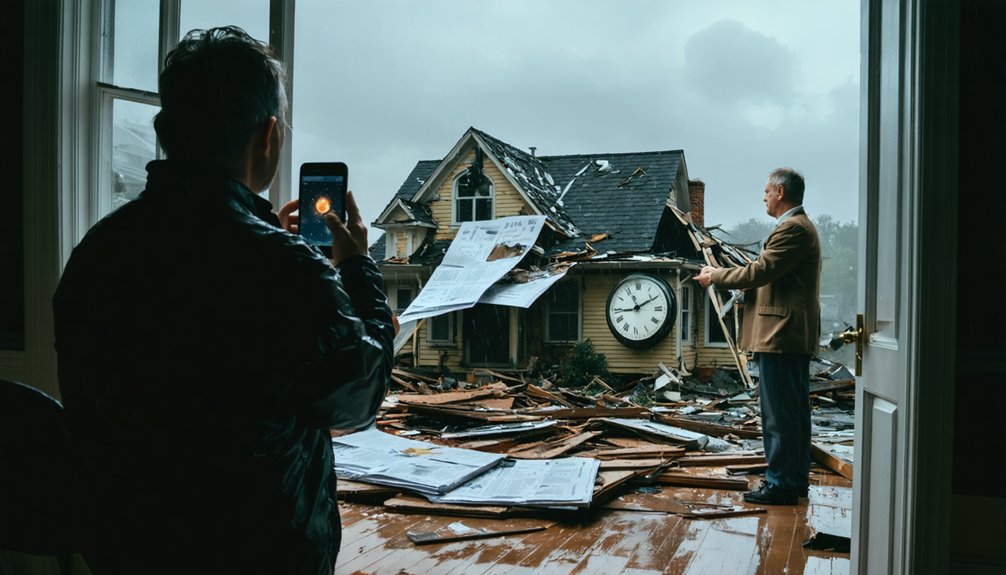
When a storm damage claim faces scrutiny, timestamped weather data serves as the foundational link between the event and your property’s destruction.
Effective weather event analysis requires official National Weather Service records, Doppler radar imagery, and certified storm reports tied to your exact coordinates and date.
Official weather records, radar imagery, and certified storm reports tied to your exact location form the backbone of any credible claim.
Timestamp verification demands precision — pull hourly wind speed logs, hail size confirmations, and barometric pressure drops matching your loss date.
Private meteorological firms can generate localized forensic reports that courts and adjusters recognize as credible evidence.
Cross-reference these records against your emergency repair receipts and adjuster visit logs to build an airtight causation timeline.
Without verified atmospheric data anchoring your claim, insurers can argue damage resulted from pre-existing deterioration rather than the documented storm event itself.
How Contractors Use Your Records to Scope Repairs Accurately
When you provide contractors with precise records, they can develop repair estimates grounded in verified measurements, material specifications, and failure modes rather than visual approximations alone.
Your photographic documentation directly guides their scope assessments by identifying affected components, structural boundaries, and damage patterns that on-site inspections alone may miss.
Without these records, contractors resort to generalized estimates that often undervalue the full extent of destruction and misalign with actual repair requirements.
Precise Records Enable Estimates
Accurate records you compile after a storm directly determine how precisely a contractor can scope your repairs. Record accuracy drives estimate reliability, eliminating guesswork that inflates costs or misses critical damage. Without your documentation, contractors work blind.
Provide contractors with:
- Measured dimensions of every damaged surface, including square footage of affected roofing, siding, and flooring
- Timestamped photographs capturing shingle displacement, structural fractures, and water intrusion points at multiple angles
- Itemized component lists identifying materials, failure modes, and exact locations within your property
- Written damage narratives describing observed deterioration immediately following the storm event
These inputs allow contractors to build precise cost assessments, accurate material takeoffs, and realistic timelines.
Your records become the technical foundation that protects you from undervalued estimates and incomplete repair scopes.
Photos Guide Repair Scope
Photographs you submit directly shape how contractors interpret destruction across your property. Your photo documentation gives repair crews measurable references—roof pitch angles, shingle displacement patterns, fascia separation points—that written descriptions alone can’t replicate.
When you capture damage systematically by location and component type, contractors build their repair assessment around verified visual evidence rather than assumptions.
Precise angles reveal structural compromises hidden beneath surface-level debris. Wide-angle shots establish spatial context, while close-ups confirm material failure modes. You’re fundamentally giving contractors a damage map they can cross-reference during site visits.
Without thorough photo documentation, repair assessment accuracy degrades considerably. Contractors may underestimate affected square footage or miss secondary damage entirely.
Your images become the technical foundation upon which realistic scope agreements, accurate cost projections, and compliant repair timelines are constructed.
What Hidden Damage Gets Missed Without Proper Documentation?
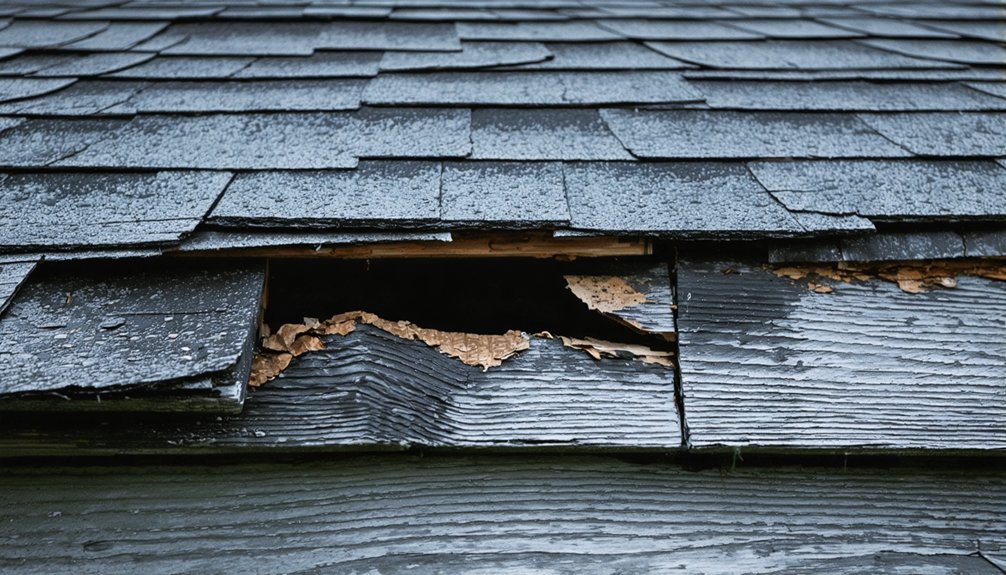
Without proper documentation, hidden damage frequently goes undetected until it escalates into costly structural failures.
Latent damage concealed beneath roofing layers, insulation, or wall cavities remains invisible without systematic photo and written records capturing pre-repair conditions. You’ll miss concealed issues that only surface during demolition if you haven’t documented each affected zone beforehand.
Hidden hazards typically overlooked without thorough documentation include:
- Saturated roof decking harboring mold beneath undisturbed shingles
- Compromised fascia boards masking undisclosed problems within soffit framing
- Overlooked areas where water infiltration weakens structural sheathing silently
- Unnoticed wear along flashing seams accelerating into full membrane failure
Without detailed inventories capturing these undisclosed problems, adjusters undervalue repair scopes, contractors miss critical components, and you lose legitimate claim recourse entirely.
How Documentation Wins Insurance Disputes and Litigation
When insurance disputes escalate into litigation, your documentation package becomes the foundation of every legal argument your attorney advances. Effective dispute resolution depends entirely on the quality of evidence you’ve preserved from day one.
Before-and-after photographs, adjuster visit logs, and written summaries of verbal conversations transform subjective disagreements into verifiable factual records.
Your documentation strategies must include timestamped weather data confirming storm occurrence, contractor assessments distinguishing storm damage from pre-existing wear, and itemized contents inventories recording original costs and ages.
These components give your attorney tangible proof rather than unsupported assertions.
Supplemental evidence uncovered during repair demolition strengthens hidden damage claims that adjusters initially dismissed.
Maintaining organized, archived records for a minimum of five years guarantees you retain legal recourse throughout any extended dispute timeline.
What Permits and Compliance Requirements Follow Storm Damage?
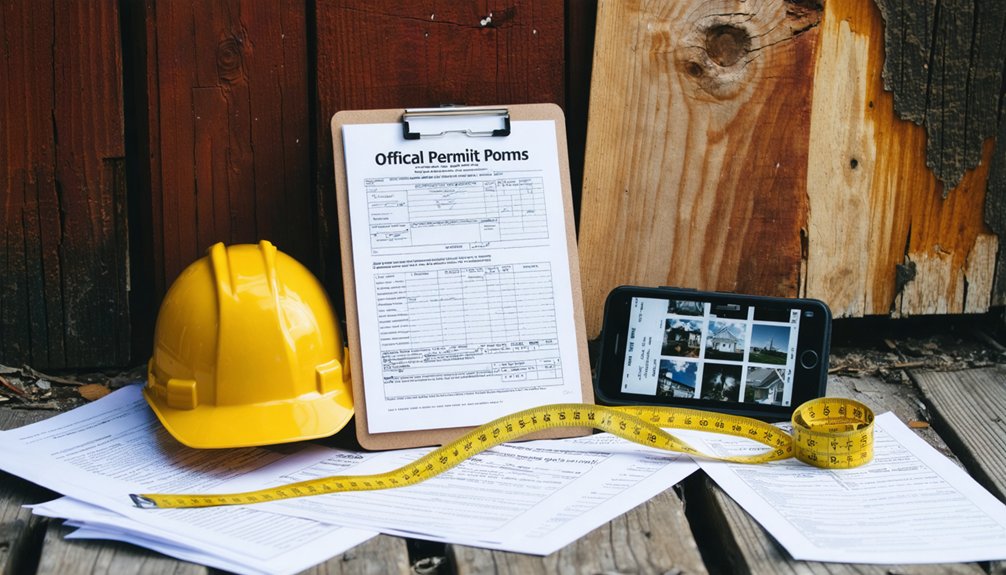
Beyond protecting your legal position, thorough storm damage documentation directly supports another layer of post-storm obligations: regulatory compliance and permit approvals.
When you’re rebuilding, local authorities require evidence that your repairs meet compliance standards. Your archived records demonstrate that you’ve followed proper protocols throughout recovery.
Your documentation package should include:
- Structural permit types — roofing, electrical, and load-bearing repair permits requiring damage evidence
- Weather survey records — confirming storm causation to satisfy local damage assessment protocols
- Scope agreements — aligning contractor work with applicable building codes and safety specifications
- Itemized component inventories — verifying that replaced materials meet regulatory grade requirements
Without precise records, permit approvals stall, and inspectors can’t confirm code adherence.
Your documentation keeps you in control of the rebuilding timeline.
How Long Should You Keep Storm Damage Records?
Retaining storm damage records for a minimum of five years satisfies general insurance record-retention guidance, but specific circumstances can extend that obligation considerably.
If litigation arises, you’ll need documentation strategies that preserve evidence until all legal proceedings conclude. Active legal disputes suspend standard retention timelines entirely.
Your record retention approach should account for multiple variables: statute of limitations in your jurisdiction, ongoing repair warranties, and potential hidden damage discovered during demolition.
Multiple variables shape your retention timeline: jurisdictional statutes, active repair warranties, and hidden damage uncovered during demolition.
Keep timestamped photos, adjuster correspondence, contractor invoices, and weather data within an organized, accessible file system.
Digital backups prevent catastrophic record loss from secondary property events. Cross-reference physical and cloud-stored copies regularly.
Structured documentation strategies protect your financial interests, legal standing, and regulatory compliance long after contractors complete final repairs.
Frequently Asked Questions
Can Renters Document Storm Damage Claims the Same Way Property Owners Do?
Yes, you can document storm damage claims similarly to property owners. Exercise your renters’ rights by capturing photos, logging damage assessments, and retaining receipts—ensuring thorough evidence that supports accurate claim verification and protects your financial freedom.
Does Storm Damage Documentation Differ for Commercial Versus Residential Properties?
Yes, they differ enormously. Your commercial assessment demands exhaustive operational loss records and business interruption logs, while your residential evaluation focuses on personal property inventories, habitability impacts, and contractor scope agreements tied to individual living structures.
Are Digital Cloud Backups of Storm Damage Records Legally Acceptable as Evidence?
Yes, digital cloud backups carry legal validity as digital evidence when they’re properly timestamped, unaltered, and authenticated. You’ll strengthen your position by ensuring metadata integrity, using encrypted storage, and maintaining access logs confirming document authenticity throughout claims or litigation.
Can a Public Adjuster Help Organize Storm Damage Documentation on Your Behalf?
Like a Renaissance scrivener, a public adjuster can champion your cause—they’ll master public adjuster roles and deploy proven documentation strategies, organizing your storm damage records systematically so you’re empowered to pursue your rightful claim independently.
Does Storm Damage Documentation Affect Future Homeowner Insurance Premium Rates?
Yes, your documentation accuracy directly influences premium adjustments. When you maintain precise storm damage records, you’ll demonstrate responsible property management, giving insurers less justification to impose excessive rate increases after a legitimate, well-documented claim.
References
- https://kyro.ai/blog/storm-damage-assessment-for-restoration-professionals-a-guide-to-documentation-and-insurance-claims
- https://www.prospecialtyservices.com/blog/documenting-storm-damage/
- https://nationalstormrepair.com/storm-damage-documentation-best-practices
- https://www.fema.gov/disaster/how-declared/preliminary-damage-assessments/guide
- https://apps.dat.noaa.gov/stormdamage/damageviewer/
- https://advanceddri.com/professional-storm-damage-assessment-guide
- https://www.umass.edu/urbantree/icestorm/pages/StormAssessProtocol.html
- https://masterstormdamage.com/storm-damage-documentation-for-insurance/
- https://advanceddri.com/document-disaster-damage/
- https://torocontractingrllc.com/which-documents-prove-roof-storm-damage/