David Payne is Oklahoma’s most recognized storm-chasing meteorologist, with a career spanning over three decades of severe weather tracking. He began chasing tornadoes in high school, launched his professional career at KFOR-TV in 1993, and now serves as chief meteorologist at KWTV-DT News 9. He’s intercepted several hundred tornadoes, developing precision recall of storm tracks, wind speeds, and damage classifications. There’s far more to his methodology and career-defining chases than these numbers alone reveal.
Key Takeaways
- David Payne is a veteran Oklahoma meteorologist born July 16, 1968, with over three decades of severe weather tracking experience.
- He began storm chasing in high school, launching a career that includes tracking several hundred tornadoes across Oklahoma.
- Payne spent 19 years at KFOR-TV starting in 1993 before becoming chief meteorologist at KWTV-DT, Oklahoma City’s CBS affiliate.
- His exceptional memory allows him to recall exact tornado touchdown dates, storm tracks, wind speeds, and damage classifications on command.
- As chief meteorologist at News 9, he combines radar analysis with field storm chasing for real-time severe weather decision-making.
Who Is David Payne, Oklahoma’s Storm Chaser?
David Payne is a veteran meteorologist born on July 16, 1968, who’s built a career tracking severe weather across Oklahoma for over three decades.
David Payne’s biography reads like a technical manual for storm chasing — he started pursuing tornadoes during high school, developing the observational discipline that would define his professional trajectory.
From high school tornado pursuits to professional storm chasing, Payne’s career was built on relentless observational discipline.
You can measure his impact through raw numbers: he’s tracked several hundred tornadoes across his career, recalling specific dates, conditions, and paths with precision spanning 20-plus years.
His storm chasing techniques evolved through hands-on field experience at KFOR-TV starting in 1993, then advancing to chief meteorologist at KWTV-DT.
He positions himself directly in storm paths — either behind radar systems or inside a chase vehicle — to deliver ground-level severe weather intelligence.
How David Payne Built His Career From High School Chasing to KFOR
Storm chasing consumed Payne’s focus before he’d even graduated high school, establishing the observational foundation that would later translate into a 19-year tenure at KFOR-TV beginning in 1993.
His high school beginnings weren’t casual experimentation — they represented deliberate field training that accelerated his meteorological development faster than conventional academic paths typically allow.
At KFOR, he delivered weekday morning forecasts, Monday-Tuesday noon segments, and Rise and Shine coverage on KAUT-TV.
Storm chasing remained central throughout, enabling him to track several hundred tornadoes across nearly two decades.
That field exposure built the precise, data-rich recall system he’s now recognized for — cataloging tornado paths, dates, and conditions spanning 20-plus years.
You can trace his technical authority directly back to those early chase decisions he made long before turning professional.
How David Payne Recalls Decades of Tornadoes From Memory
What separates Payne from most meteorologists isn’t just field time — it’s retention. His tornado memory techniques let him recall specific storm paths, dates, and conditions spanning 20+ years of storm chasing anecdotes without referencing notes.
You’re watching someone operate like a human storm database. Here’s what he typically recalls on command:
- Exact tornado touchdown dates
- Precise storm tracks across Oklahoma counties
- Wind speed estimates and damage classifications
- Weather conditions preceding each event
- How each storm behaved relative to radar signatures
This recall isn’t accidental. Decades of active chasing burned those details into pattern recognition most meteorologists never develop.
Decades in the field don’t just build experience — they burn patterns into memory most meteorologists never develop.
When you watch Payne break down a storm on air, you’re accessing a living archive — unfiltered, precise, and built entirely through direct field experience.
The Tornado Chases That Defined David Payne’s Career
Few meteorologists accumulate a career defined as much by specific chases as by years on air — but Payne’s field record does exactly that. Over decades, his tornado encounters number in the several hundreds, each logged with tactical precision rather than reckless pursuit.
His storm strategies prioritize intercepting storm paths efficiently, positioning his vehicle where data predicts maximum observational value. Starting in high school, he built a systematic approach that sharpened through his KFOR-TV tenure from 1993 to 2012 and continued at KWTV-DT.
One notable incident involved Val Castor leaving him stranded mid-chase — a calculated risk that field meteorologists routinely face. You’re watching someone who treats every deployment as a structured operation, extracting measurable data from conditions that most people correctly recognize as dangerous and avoid entirely.
Inside David Payne’s Work as News 9’s Chief Meteorologist
At News 9, David Payne operates as chief meteorologist for KWTV-DT, Oklahoma City’s CBS affiliate, where his role extends well beyond reading forecasts on camera. His meteorological insights drive storm tracking operations that keep Oklahoma residents informed during critical severe weather events.
Here’s what defines his daily work:
- Anchors spring severe weather coverage with radar-based analysis
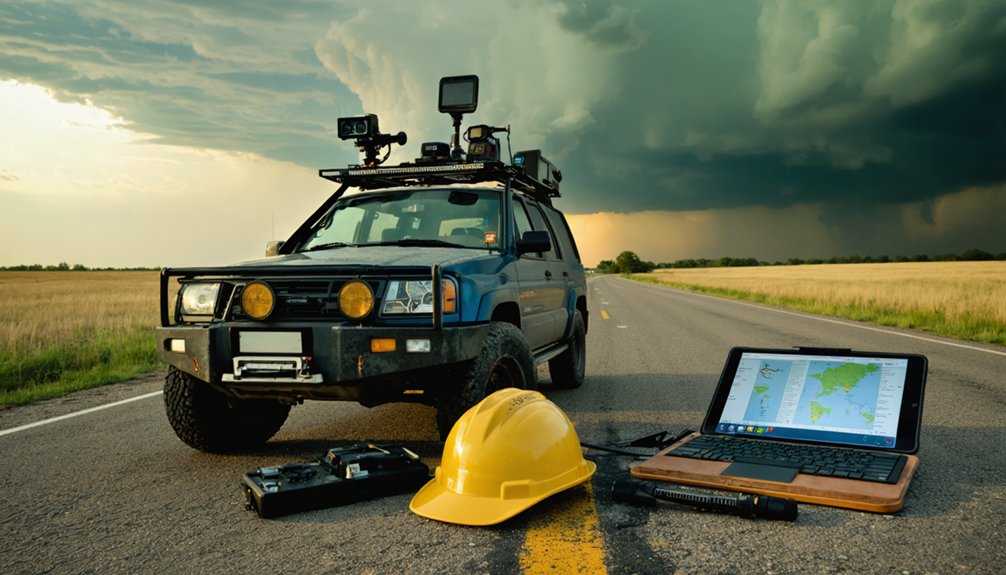
- Deploys in storm-chasing vehicles during active tornado events
- Delivers precise tornado path, date, and condition recalls spanning 20+ years
- Promotes the News 9 weather app as a direct resource for viewers
- Attracts audiences from outside Oklahoma seeking reliable storm data
His position demands both technical precision and real-time decision-making, giving viewers the freedom to act fast on accurate, unfiltered weather intelligence when conditions deteriorate rapidly across Oklahoma.
What David Payne Brings to Oklahoma’s Severe Weather Coverage?
Beyond his chief meteorologist duties, David Payne brings a rare combination of institutional memory and field experience that sharpens Oklahoma’s severe weather coverage in measurable ways.
You’re watching someone who’s tracked several hundred tornadoes and recalls specific storm paths spanning 20-plus years. That depth of data directly benefits community impact—Payne translates complex atmospheric conditions into actionable intelligence viewers outside Oklahoma even tune in to access.
Several hundred tornadoes tracked. Twenty-plus years of storm paths remembered. That institutional depth transforms atmospheric complexity into actionable intelligence.
His dual capacity as studio analyst and active storm chaser means you’re receiving ground-truth verification alongside radar interpretation simultaneously. He’s not reconstructing events from archived footage; he’s built that database through direct field observation since high school.
When severe weather threatens, that institutional knowledge reduces your decision-making time and increases situational awareness across the entire viewing area.
Frequently Asked Questions
What Emmy Award Did David Payne Win During His Career?
You’ll find David Payne’s Emmy achievements stand as a defining career highlight in meteorology, though specific award category details aren’t documented here. His technically precise storm-chasing work clearly earned him this prestigious industry recognition throughout his distinguished career.
What Exactly Happened When Val Castor Left David Payne During a Chase?
Every man for himself” — during intense chase dynamics, Val Castor’s team separation left you, David Payne, without backup mid-pursuit. The exact circumstances aren’t fully documented, but Payne described the incident as being “left for dead.
Is David Payne Currently Returning to Active Storm Chasing Duties?
You’ve heard David Payne’s discussed a potential return to active storm chasing, leveraging advanced weather technology to track tornadoes. He hasn’t confirmed full-time duties yet, but he’s clearly keeping his options open.
What Topics Did David Payne Discuss With Lacey Swope on Beyond the Forecast?
You’ll find David Payne covered his potential storm chasing return, storm prediction techniques, and meteorological tools with Lacey Swope on *Beyond the Forecast*, giving you analytical insights into his career and Oklahoma’s severe weather landscape.
How Does David Payne’s News 9 Weather App Benefit Oklahoma Storm Watchers?
Want real-time storm tracking at your fingertips? You’ll gain access to News 9’s powerful app features, empowering you to independently monitor Oklahoma’s severe weather, analyze storm paths, and make informed, data-driven safety decisions without relying solely on broadcasts.
References
- https://en.wikipedia.org/wiki/David_Payne_(meteorologist)
- https://www.405magazine.com/david-payne-hes-the-weather-man/
- https://www.youtube.com/watch?v=8RLEcWoWZWY