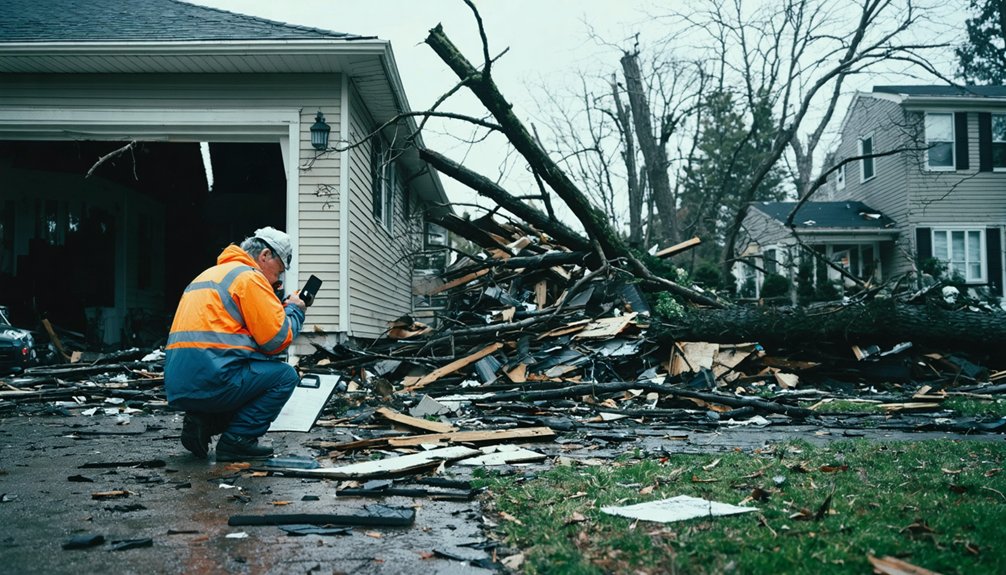
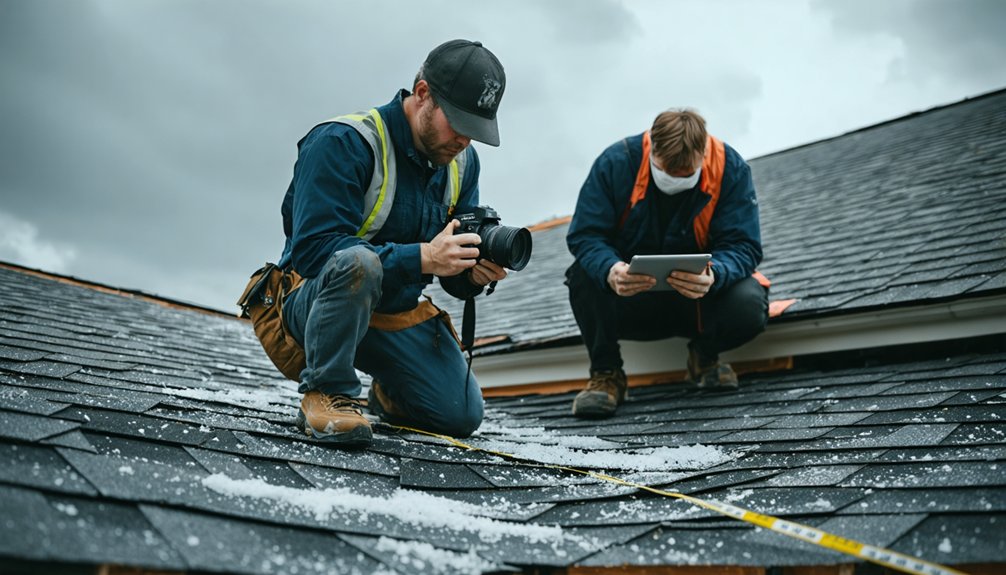
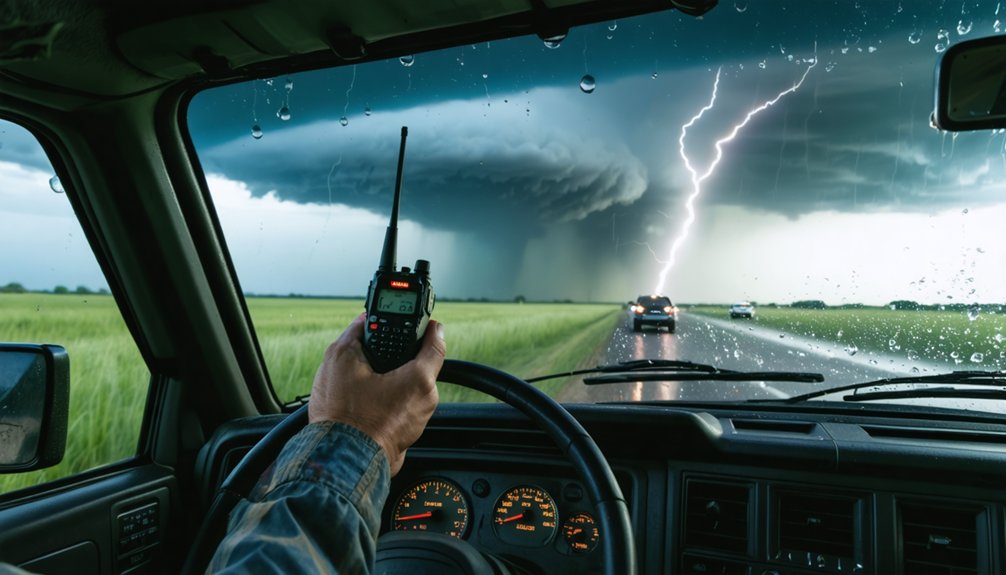
When severe weather strikes, you need to report tornadoes, large hail, damaging winds over 58 mph, and flash flooding immediately. Always include your exact location, the storm’s position relative to you, precise observation time, and a clear description of what you’re seeing. Contact the NWS directly for life-threatening events, and use ham radio as a reliable backup when cell networks fail. There’s a complete reporting framework ahead that’ll sharpen every step of your process.
Key Takeaways
- Contact the NWS directly via their dedicated line for life-threatening events like tornadoes, large hail, and damaging winds exceeding 58 mph.
- Identify yourself as a trained spotter, state your location first, then describe the storm’s position, behavior, and movement precisely.
- Ham radio operates independently of cell towers, making it a critical backup when internet or phone communication fails during severe weather.
- Use E-Spotter or NWS online platforms to route reports directly to local offices with embedded location data, reducing relay delays.
- Before severe weather season, verify all contact lists, NWS direct lines, net controller frequencies, and E-Spotter credentials are current and functional.
What Weather Events Actually Require a Storm Spotter Report?
When you’re deployed as a storm spotter, knowing which events demand an immediate report separates useful field intelligence from noise. Your reporting accuracy directly influences warning decisions, so target only events with confirmed hazard potential.
Report these weather pattern developments immediately:
- Tornadoes, funnel clouds, wall clouds, and waterspouts
- Large hail, specifically the diameter of the largest stones observed
- Damaging winds exceeding 50 mph, with priority given to events surpassing 58 mph
- Flash flooding, particularly when roads close, water rises rapidly, or structural damage occurs
- Significant winter weather, including heavy ice accumulation, freezing rain, and blizzard conditions
Delayed reports still support climatological verification, but real-time submissions during active severe weather directly support NWS warning operations. Report facts, not interpretations, and prioritize observable, measurable details.
Why Speed Is the Difference Between a Warning and a Miss
Every second between your observation and the NWS receiving your report is a second the warning system can’t act on. Real-time reports directly support warning decisions, while delayed ones serve historical accuracy through climatological verification—important, but not life-saving in the moment.
Storm communications can fail fast. Wind, lightning, and cell congestion all threaten your ability to report even minutes after spotting an event. You need to transmit immediately using your primary method—phone, radio, or dispatcher relay—before conditions deteriorate further.
Community engagement strengthens this pipeline. When spotters, EOCs, and net controllers maintain established activation procedures, reports move faster and with less error. Your prompt, accurate observation is the first link in that chain. Don’t delay it.
A warning issued in time protects lives; one issued too late doesn’t.
The Five Details Every Storm Spotter Report Must Include
Speed gets your report into the system—but content determines whether it’s usable. Every report you submit must include five core details to maximize reporting accuracy and support real-time warning decisions.
- Who you are: identify yourself as a trained spotter.
- What you observed: tornado, hail, flooding, damaging wind—be specific.
- When it occurred: report the observation time, not when you’re calling.
- Where it happened: use intersections, roads, or distance and direction from a known landmark.
- How it behaved: describe movement, size, intensity, and duration.
Miss any of these, and you’ve handed forecasters an incomplete picture of the weather pattern. A partial report delays decisions.
Know these five details cold before you’re ever in the field.
How to Give a Fast, Accurate Location in Your Report
Location is the detail forecasters act on fastest, so you need to deliver it without hesitation. Skip vague descriptions and anchor your report to a specific intersection, road name, town, or a clear distance and direction from a known landmark. “Two miles east of the Highway 36 and County Road 15 intersection” beats “near town” every time.
Reporting precision matters because forecasters are simultaneously tracking radar, coordinating warnings, and fielding multiple calls. They can’t afford to interpret your geography.
Always separate your location from the storm’s location. State where you’re standing, then describe where the event is occurring relative to you. That distinction directly supports location accuracy and gives the NWS exactly what they need to issue warnings that protect lives.
When to Call the NWS Office Directly
When you witness a life-threatening event—a confirmed tornado on the ground, flash flooding cutting off escape routes, or a rapidly intensifying wall cloud—call your local NWS office directly without waiting for a relay.
Most NWS offices maintain a direct spotter line that stays active during severe weather operations, so you should have that number saved before you deploy.
Bypassing dispatchers or net controllers is justified only when the threat is immediate and every second of delay affects warning lead time.
Life-Threatening Events First
Knowing which events demand a direct call to your local NWS office can make the difference between a warning issued in time and one that comes too late.
Historical trends in severe weather casualties show that minutes matter, and weather patterns can intensify faster than automated systems detect. Don’t hesitate—call immediately when you witness:
- A tornado on the ground or a confirmed funnel cloud descending
- Large hail causing structural damage or exceeding golf ball size
- Flash flooding closing roads or threatening lives
- Damaging winds exceeding 58 mph with visible destruction
These events require real-time human reporting. Your direct call bypasses relay delays and puts critical ground-truth data in forecasters’ hands instantly, supporting faster, more accurate warning decisions that protect your community.
Direct Line Availability
Having a direct line to your local NWS office ready before severe weather arrives is just as important as recognizing when to use it. Locate your office’s direct spotter line during equipment maintenance checks and store it where you can access it without searching. Don’t rely on general public numbers during active events—those lines congest quickly.
Call directly when you’re observing a life-threatening weather pattern: confirmed tornado, large hail, damaging winds, or rising floodwaters. Direct contact cuts relay delays and puts your real-time report immediately into warning operations.
If the line is busy, route through your dispatcher, EOC, or net controller without hesitation. Every second your observation sits unreported is a second forecasters can’t use it.
Bypassing Relay Channels
Relay channels exist to organize and validate reports, but they introduce delay—and delay costs lives when you’re watching a tornado on the ground. Call your local NWS office directly when speed outweighs procedure. Alternative communication channels remain available, but some situations demand you bypass them entirely.
Call the NWS directly when:
- You’ve confirmed a tornado is on the ground
- Relay contacts are unreachable or communications are degraded
- The event is escalating faster than your network can process
- No net controller or dispatcher is actively monitoring
Community outreach builds the relationships that make direct calls effective before emergencies occur. Know your local NWS number, keep it accessible, and don’t hesitate. You’re a trained spotter—your direct report can trigger a warning that saves lives.
When to Route Through a Dispatcher, Net Controller, or Ham Radio
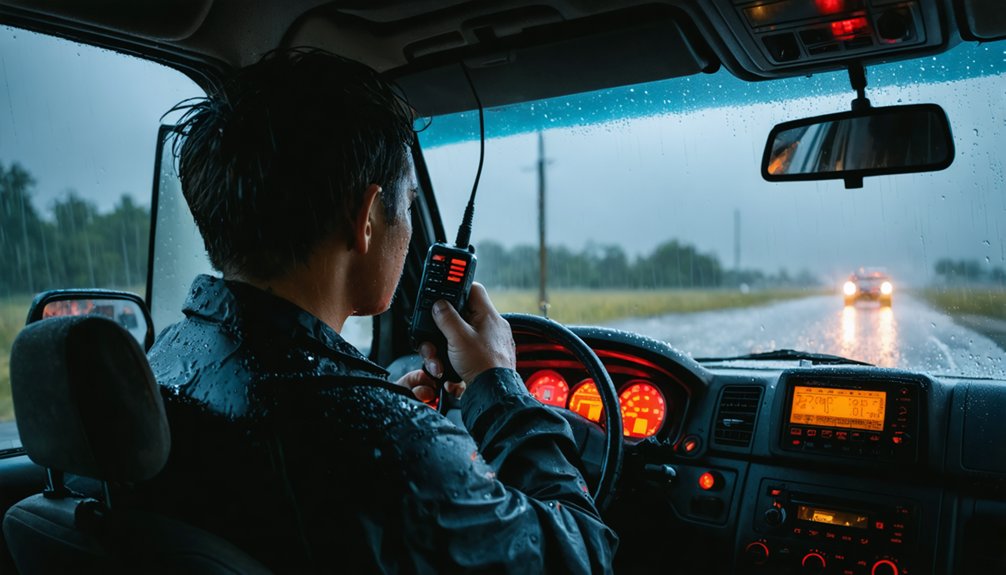
When you can’t reach the NWS office directly, routing your report through a dispatcher, Emergency Operations Center, or net controller keeps critical information moving without delay.
Net controllers validate incoming reports before forwarding them, reducing errors that could compromise warning decisions.
If standard communications fail, amateur radio networks provide a reliable backup channel that’s already integrated into many local spotter systems.
Relay Networks Speed Reports
Routed correctly, your report can reach the National Weather Service faster than a direct call alone. Relay networks filter noise, confirm your weather pattern observation, and boost reporting accuracy before your data influences a warning decision.
When you’re in the field, route through these key nodes:
- Dispatchers screen and forward urgent spotter reports to the NWS immediately
- Emergency Operations Centers (EOCs) consolidate multiple field reports into verified, actionable intelligence
- Net Controllers manage amateur radio nets, prioritizing critical traffic during active severe weather
- Ham Radio Operators maintain independent communication when cell and internet infrastructure fails
Each node adds speed and credibility. You don’t lose control of your report—you amplify its impact.
Know your local relay chain before severe weather activates, not during it.
Net Controllers Validate Information
Net controllers don’t just pass your report along—they validate it. When you transmit through a net controller, they screen your observation for completeness, flag inconsistencies, and confirm your location before forwarding the report to the NWS. That filtering step protects warning decisions from bad data.
Volunteer coordination within established amateur radio networks strengthens this process. Experienced net controllers know your assigned grid, your equipment maintenance standards, and your credibility as a trained spotter. That context matters when a report arrives during fast-moving, multi-cell events.
Route through a net controller or dispatcher when direct NWS phone lines are busy, when you’re operating in a formal activation, or when your report needs geographic confirmation. The chain exists to make your observation more reliable—use it.
Ham Radio Backs Up Systems
Ham radio operates independently of cell towers and internet infrastructure, which makes it a reliable fallback when primary communication systems fail during severe weather.
When you’re tracking dangerous weather patterns and networks go down, amateur radio keeps your reports moving to net controllers and NWS offices without interruption.
Use ham radio when you need to:
- Report tornadoes, large hail, or damaging winds during active communication outages
- Relay spotter observations that supplement satellite imagery analysis at the NWS level
- Reach net controllers who screen and forward your report efficiently
- Maintain contact with your EOC when cell congestion blocks digital pathways
You don’t need to wait for systems to fail before activating amateur radio.
Integrating it early into your reporting routine strengthens your network’s overall reliability and independence.
How E-Spotter and NWS Online Tools Fit Into Your Reporting Chain
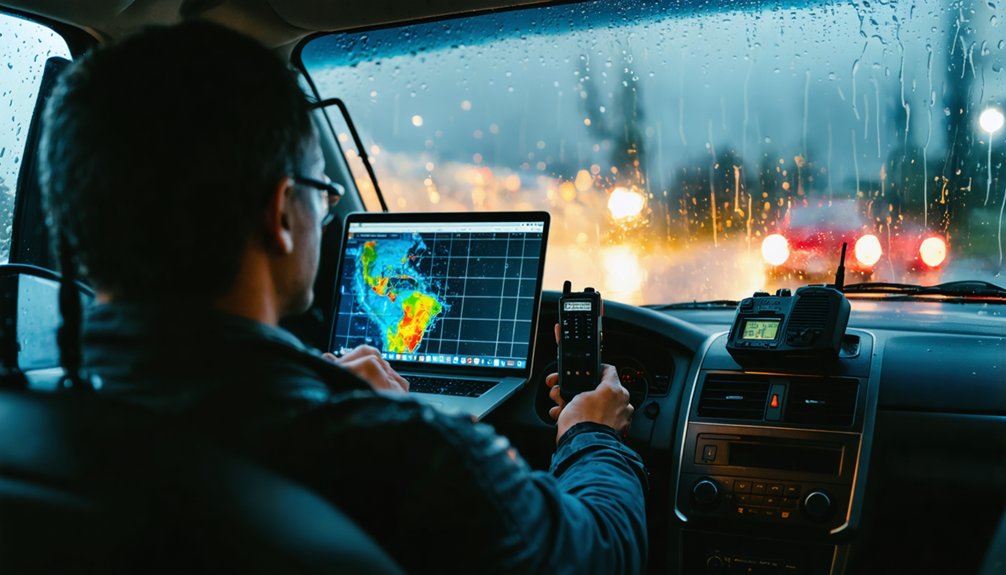
When you submit a report through E-Spotter or another NWS online tool, it routes directly to your local NWS office with your location data embedded, cutting out relay steps that slow down phone or radio reporting. That efficiency matters when forecasters are tracking a fast-moving weather pattern and need ground-truth data immediately.
These tools also build historical incidents into a searchable database, giving forecasters and researchers long-term verification data beyond the active event window. You’ll need location services enabled and a stable internet connection, so confirm both before you deploy.
Use E-Spotter as a primary method when conditions allow, but don’t rely on it exclusively. Cell networks fail during severe storms. Keep phone and radio options ready so your reporting chain stays intact when online tools go down.
Set Up Your Storm Spotter Reporting Contacts Before the Season Starts
Before severe weather season begins, build your reporting contact list and verify every number, call sign, and login credential while conditions are calm. Storm safety depends on preparation made well before a tornado is on the ground.
Before the first storm of the season forms, your contact list should already be built, tested, and ready.
Confirm these contacts now as part of your weather preparedness plan:
- Local NWS office direct line – save it, test it, and keep a backup written copy
- EOC or dispatch relay number – know your county’s preferred reporting chain
- Net controller call sign and frequency – confirm scheduled nets with your amateur radio group
- E-Spotter login credentials – verify account access and location settings before activation
Don’t wait until a storm is approaching to discover a disconnected number or expired login. Pre-season verification keeps your reporting chain functional when every second counts.
Frequently Asked Questions
Can Untrained Civilians Submit Storm Spotter Reports to the NWS?
If you spot a tornado near your town, you can report it — but civilian participation without training risks reporting accuracy. Use NWS online tools, though trained spotters’ verified reports carry far greater operational weight.
How Do New Spotters Get Paired With Experienced Mentors in the Field?
You’ll get paired through local training programs that connect newcomers with seasoned spotters. Mentor pairing happens via your NWS office or EOC coordination—attend spotter meetings, volunteer actively, and you’ll gain field experience alongside trusted veterans.
Are Delayed Storm Reports Submitted Days Later Still Considered Useful?
Even years’ worth of value lives in delayed reports. You’re still contributing critical data—delayed reports support climatological review and verification, so your report accuracy matters long after the storm’s passed.
What Screening Process Do Net Controllers Use Before Forwarding Spotter Reports?
Net controllers validate your report’s accuracy, confirm your spotter credentials, and apply communication protocols before forwarding. They’ll prioritize report verification by cross-checking details like location, time, and event type, ensuring only reliable data reaches the NWS.
How Does Social Media Fit Into the Official Storm Spotter Reporting Chain?
Like a backup parachute, social media integration serves as a supplementary tool—not your primary channel. Use it for public awareness after reporting via phone or radio. You can share images and delayed damage details once official reports are submitted.
References
- https://www.weather.gov/chs/skywarn
- https://repository.library.noaa.gov/view/noaa/6571/noaa_6571_DS1.pdf
- https://www.weather.gov/media/bis/Weather_Spotter_Field_Guide.pdf
- https://w4ehw.fiu.edu/spotter guide basic noaa.pdf
- https://www.weather.gov/arx/startspot
- https://www.weather.gov/oun/stormspotting
- https://assets.noviams.com/novi-file-uploads/mnasa/pdfs-and-documents/Student_Activities_and_Handouts/2-5_severe_weather_reporting.pdf