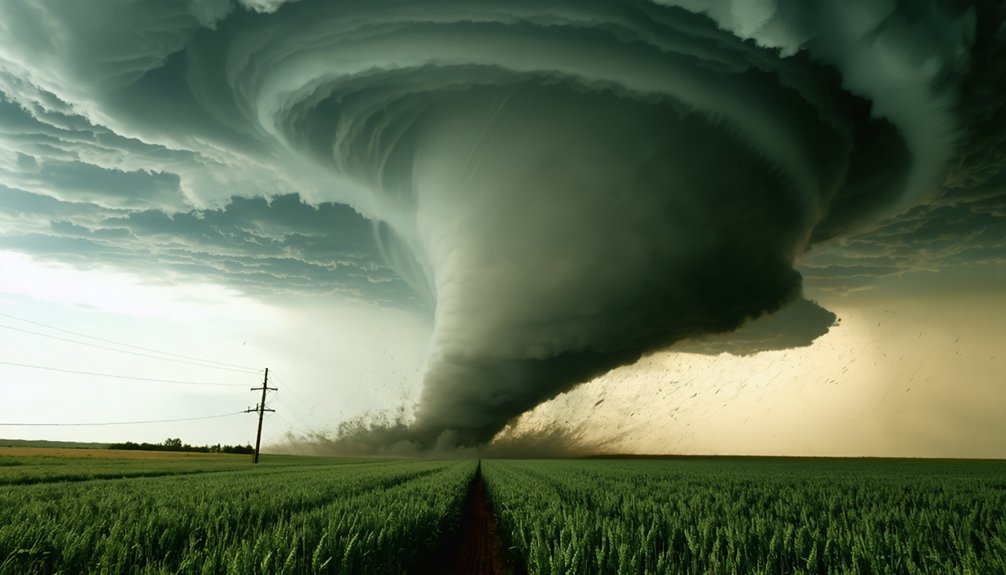
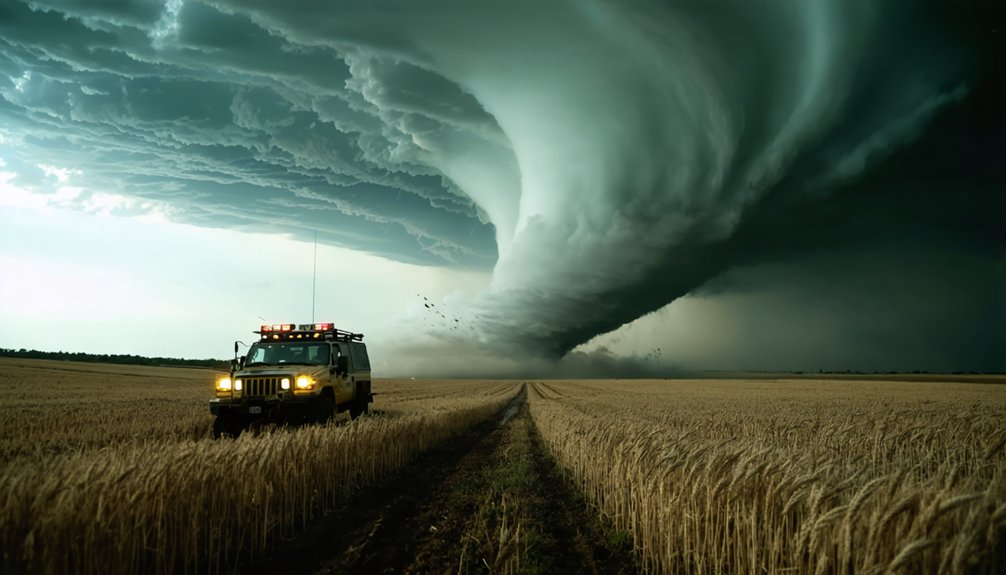
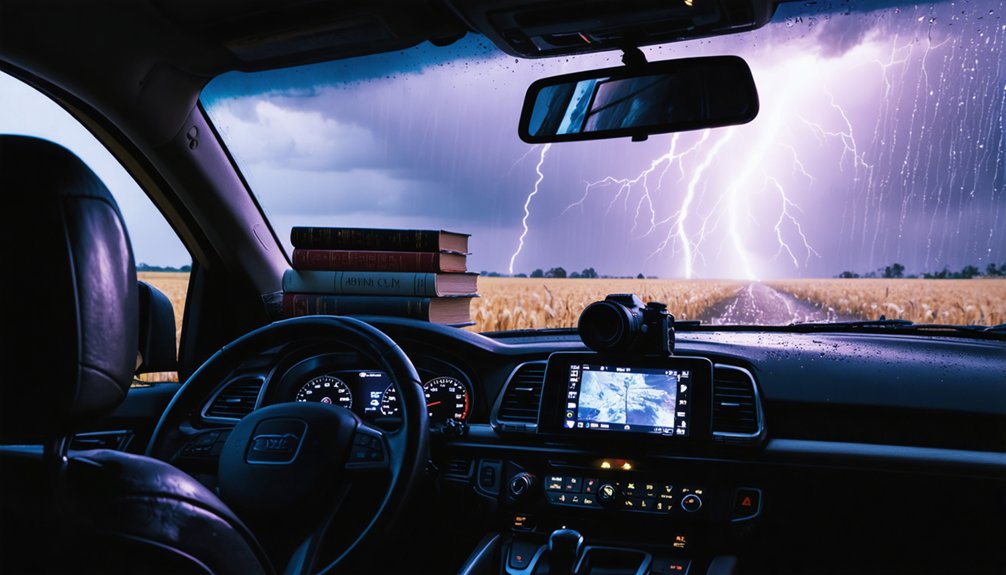
Storm chasing documentaries have shifted your understanding of tornadoes from purely dangerous phenomena to objects of cultural fascination. Early 1950s films gave storm science its visual credibility, while *Twister*’s $494.6 million run transformed chasers into folk heroes. Social media then rewrote the playbook entirely, creating feedback loops that reward spectacle over science. Today, you’re traversing a fractured culture caught between genuine meteorological inquiry and viral entertainment—and the full picture is more complicated than you’d expect.
Key Takeaways
- Early storm chasing films transformed tornado documentation from anecdotal accounts into credible scientific data, shifting public perception toward legitimate atmospheric research.
- “Twister” grossed $494.6 million and reframed tornadoes as culturally significant, spawning storm-chasing tourism and reality television that shaped mainstream public fascination.
- Celebrity chasers turned storm chasing into a spectator sport, normalizing dangerous tornado proximity and shifting focus from scientific documentation to entertainment performance.
- Social media feedback loops incentivize increasingly risky chasing behavior for views, blurring public distinction between genuine meteorological work and dangerous thrill-seeking.
- Strategic documentary distribution, including educational screenings and media partnerships, actively engineers audience perspectives, treating measurable attitude change as a core filmmaking objective.
What Storm Chasing Documentaries Reveal About American Fear and Fascination
Storm chasing documentaries don’t just capture severe weather—they expose a deeply ingrained American ambivalence toward natural destruction.
When you watch films like *A Brief History of Chasing Storms*, you’re confronting something culturally specific: a fearful fascination that’s inseparable from American Storms and frontier mythology.
These documentaries analytically dissect how tornadoes function simultaneously as threats and symbols of raw, ungovernable freedom. They reveal your cultural inheritance—settlement narratives, displacement histories, and disaster capitalism embedded within Great Plains identity.
Storm chasing isn’t simply thrill-seeking; it’s a structured response to landscapes that resist control.
Documentaries frame this tension precisely, positioning severe weather as both destroyer and liberator.
You don’t just observe tornadoes through these films—you examine what Americans choose to fear, chase, and ultimately mythologize.
How 1950s Chasing Films Gave Storm Science Its Credibility
Before radar networks and Doppler technology standardized severe weather observation, early amateur storm-chasing films from the 1950s served a foundational scientific function—they documented tornado behavior in real time when no other visual record existed.
These films established 1950s credibility for storm science by transforming anecdotal witness accounts into verifiable visual evidence. You can trace meteorology’s shift toward empirical field observation directly to these raw, unpolished recordings.
These films turned eyewitness stories into verifiable evidence—and quietly redirected meteorology toward empirical field observation.
Researchers used footage to analyze storm structure, rotation patterns, and damage paths that instruments couldn’t yet capture. Community-driven documentation, built outside institutional frameworks, handed scientists repeatable reference points.
That independent spirit—ordinary people resisting ignorance about dangerous natural forces—accelerated atmospheric research decades before government-funded programs formalized storm observation.
Those early chasers didn’t just film tornadoes; they built the evidentiary foundation modern meteorology stands on.
The “Twister” Effect on Public Fascination With Storm Chasing
When “Twister” grossed $494.6 million in 1996, finishing second only to Independence Day at the box office, it didn’t just entertain—it fundamentally restructured public fascination with severe weather.
The film’s Twister impact reframed tornadoes as both destructive forces and objects of cultural reverence, blending fear with adventure in ways documentaries hadn’t yet achieved. You can trace today’s storm-chasing tourism, reality television, and social media thrill-seeking directly back to this cinematic moment.
The film directed unprecedented attention toward the Great Plains, cementing a cultural legacy that positioned chasing as a distinctly American pursuit. It reinforced your freedom to engage with extreme weather—not as passive victim, but as active participant—reshaping how entire generations understand, romanticize, and pursue severe atmospheric events.
How Celebrity Chasers Turned Storm Chasing Into a Spectator Sport
As “Twister” faded from theaters, celebrity chasers like Tim Samaras and Reed Timmer stepped into the cultural vacuum it created, transforming a niche scientific pursuit into a full-blown spectator sport. Their media presence amplified celebrity influence beyond laboratories and storm shelters, repositioning chasing as adventure, career, and competitive sport simultaneously.
You can trace spectator engagement directly to their televised exploits — audiences weren’t just watching weather; they were following personalities maneuvering through life-threatening conditions. This distinction matters analytically. The activity shifted from scientific documentation toward performance, creating measurable tension between education and entertainment within the chasing community.
That tension carries consequences. Some celebrity behaviors normalized dangerous proximity to tornadoes, cultivating negative perceptions among veteran chasers while simultaneously attracting newcomers drawn more to adrenaline than atmospheric science.
How Social Media Rewrote the Storm Chasing Documentary Playbook
Social media didn’t just expand storm chasing‘s audience — it fundamentally restructured how chasers produce, distribute, and monetize footage. Platforms like YouTube and TikTok eliminated traditional gatekeepers, letting you publish raw, unfiltered storm chasing content directly to global audiences.
That freedom carries real costs, though. Chasers like Freddy McKinney — 21 years old, 25,000 YouTube subscribers, 30-40 storms annually — consciously push closer to maximize engagement metrics. Audience response now dictates editorial decisions that once belonged to documentary producers.
You’re watching a feedback loop where algorithmic reward systems incentivize increasingly dangerous proximity. Real-time sharing simultaneously saves lives through minute-by-minute severe weather updates.
However, long-time chasers increasingly question whether newcomers prioritize scientific value or subscriber counts, exposing a fundamental tension social media introduced into storm chasing’s documentary culture.
Storm Chasing’s Endless War Between Thrills and Science
Storm chasing has never resolved the fundamental contradiction embedded in its identity: science needs controlled, methodical data collection, but thrilling footage demands risk-taking that compromises both researcher safety and data integrity.
You’re watching this tension play out in real time across documentaries, where producers must choose between deploying instruments precisely or chasing cinematic proximity.
Celebrity chasers like Reed Timmer pushed thrill balance toward spectacle, while Tim Samaras demonstrated that scientific integrity could coexist with compelling storytelling.
The 1996 film “Twister” romanticized reckless proximity, embedding that expectation culturally before serious documentary frameworks existed.
Today’s filmmakers inherit that legacy. You can’t separate entertainment demand from methodological discipline without confronting how audience expectations actively shape field behavior, influencing which storms get documented and how dangerously chasers position themselves to capture them.
What “A Brief History of Chasing Storms” Gets Right
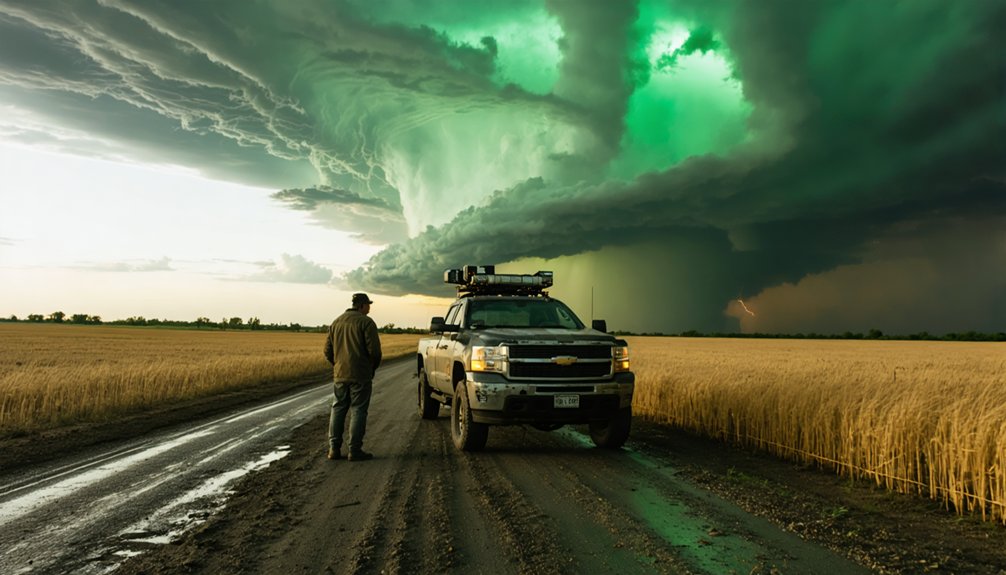
“A Brief History of Chasing Storms” (2025) earns its credibility by refusing to treat the tornado as merely a meteorological event. Instead, it frames tornadoes as cultural artifacts embedded in American identity, settlement mythology, and displacement history. That’s what separates its tornado narratives from standard weather documentation.
You’ll notice the film doesn’t sanitize the Great Plains experience. It confronts colonization, inequality, and disaster capitalism directly, forcing you to reconsider what storm chasing actually represents beyond adrenaline and radar screens. That intellectual honesty drives its documentary authenticity.
At 70 minutes, it stays disciplined and precise. It connects severe weather to climate change without sensationalizing, grounding every argument in historical and cultural evidence.
The result is a documentary that respects your intelligence while challenging comfortable assumptions about America’s complicated relationship with extreme weather.
What “Chasing Ice” Teaches Storm Chasing Documentaries About Changing Minds
Where “A Brief History of Chasing Storms” succeeds culturally, “Chasing Ice” (2012) demonstrates what weather documentaries can achieve when they treat attitude change as a measurable outcome rather than a byproduct.
Its Ice Impact was quantifiable: 15 million viewers across 172 countries, with exit surveys confirming measurable Mind Shifts among previously skeptical audiences. Viewers didn’t just watch — they reported increased concern and personal behavioral intentions.
That’s a documented feedback loop storm chasing documentaries rarely build deliberately. You can see the strategic difference immediately.
“Chasing Ice” used educational screenings, partnered with National Geographic and CNN, and deployed footage as an advocacy instrument.
Storm chasing filmmakers who want real influence should study that model, treating their audience’s perspective as something they’re actively engineering, not passively hoping to move.
Has Public Perception of Storm Chasing Actually Improved?
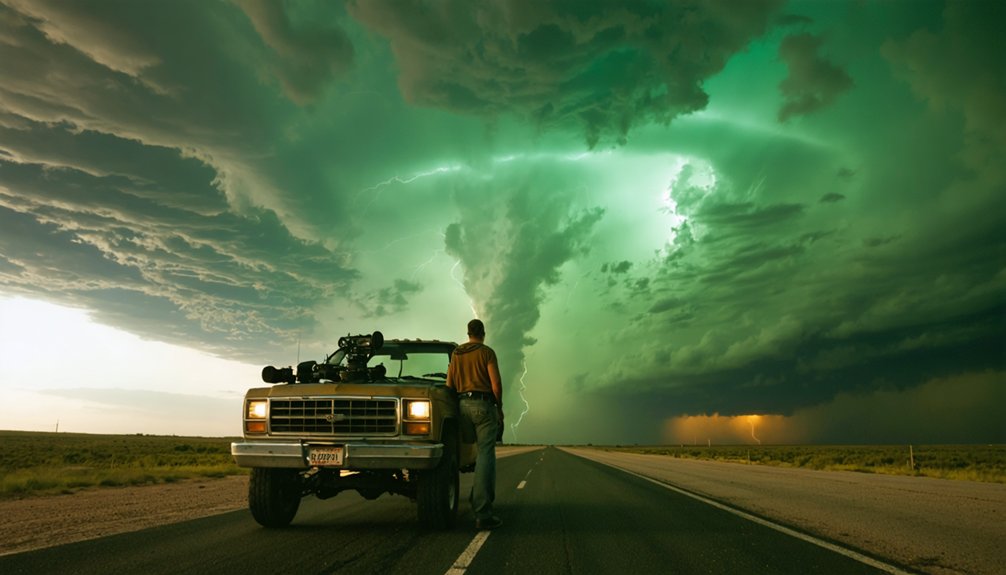
Whether public perception of storm chasing has genuinely improved depends on which public you’re measuring. Media influence has clearly amplified public curiosity, with films like “Twister” and celebrity chasers like Reed Timmer drawing millions toward severe weather fascination.
Yet that same visibility created fractures. Long-time chasers watch newcomers prioritize viral footage over scientific discipline, eroding credibility the community spent decades building.
Social media accelerated both outcomes simultaneously. You’ll find audiences who view storm chasing as heroic and educational alongside critics who see reckless thrill-seeking dressed as meteorology.
Documentaries like “A Brief History of Chasing Storms” complicate the narrative further, interrogating displacement and disaster capitalism rather than celebrating adrenaline.
Perception hasn’t uniformly improved — it’s fragmented, reflecting deeper tensions between entertainment, science, and accountability.
Frequently Asked Questions
What Equipment Do Storm Chasers Typically Use When Filming Documentaries?
Capturing compelling close-ups, you’ll deploy rugged camera technology like 4K camcorders, wide-angle lenses, and drone rigs. You’re bound by strict safety protocols, using armored vehicles, GPS tracking, and weather instruments to document nature’s fury freely.
Are Storm Chasing Documentaries Factually Accurate Compared to Real Chasing Experiences?
You’ll find storm chasing documentaries often prioritize documentary storytelling over raw accuracy, dramatizing events for engagement. They compress timelines and heighten tension, creating gaps between cinematic portrayal and genuine storm chasing ethics, operational realities, and methodical scientific fieldwork you’d actually experience.
How Do Storm Chasing Documentaries Generate Revenue for Filmmakers and Chasers?
Ironically, you’re not just chasing storms—you’re chasing dollars. Filmmakers leverage crowdfunding strategies and sponsorship opportunities, monetizing danger through streaming deals, merchandise, and speaking engagements, transforming raw adrenaline into calculated revenue streams you control completely.
What Mental Health Impacts Do Storm Chasers Face After Traumatic Tornado Encounters?
After traumatic tornado encounters, you’ll likely face PTSD, anxiety, and acute stress. Building trauma recovery strategies and emotional resilience through peer support, professional counseling, and community networks helps you process psychological impacts and maintain long-term mental stability.
Do Storm Chasing Documentaries Require Special Permits or Legal Permissions to Film?
While regulations vary by location, you don’t always need special permits to film storm chasing documentaries. However, you must navigate filming regulations carefully, as legal liabilities arise when documenting on private land or restricted zones.
References
- https://nebraskapublicmedia.org/en/news/news-articles/a-changing-profession-social-medias-impact-on-storm-chasing/
- https://jasonherbert.substack.com/p/twisters-and-the-history-of-modern
- https://hull-repository.worktribe.com/preview/4415817/Hunter_ Nicolle – Storm Chasing in Contemporary American Society and Culture.pdf
- https://thestateofsie.com/samantha-wright-micro-targeting-viewers-chasing-ice-chasing-coral/
- https://uwm.edu/arts/event/experimental-tuesdays-a-brief-history-of-chasing-storms/
- https://stormtrack.org/threads/one-of-the-most-intriging-early-amateur-storm-chasing-documentaries-ive-ever-watched.32617/