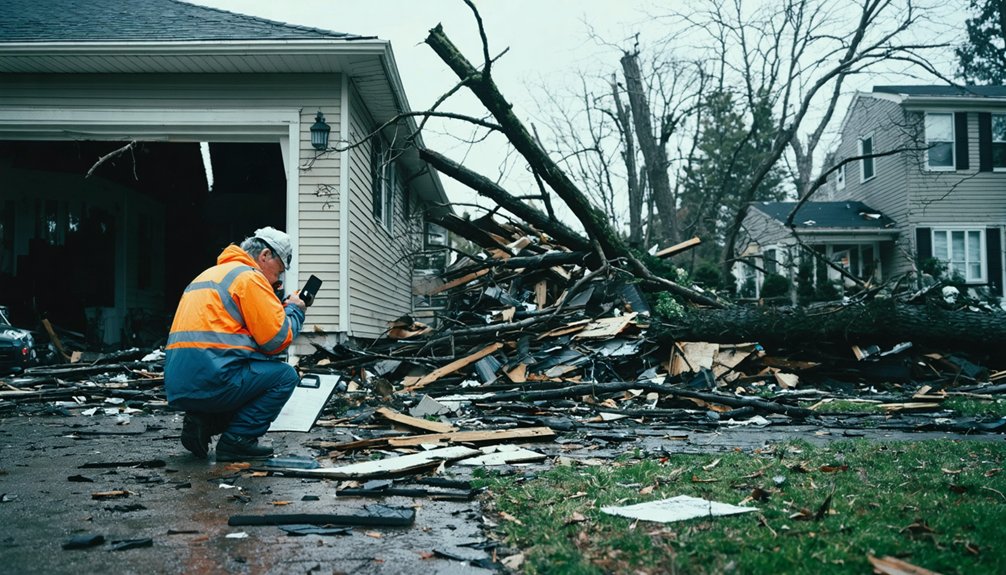
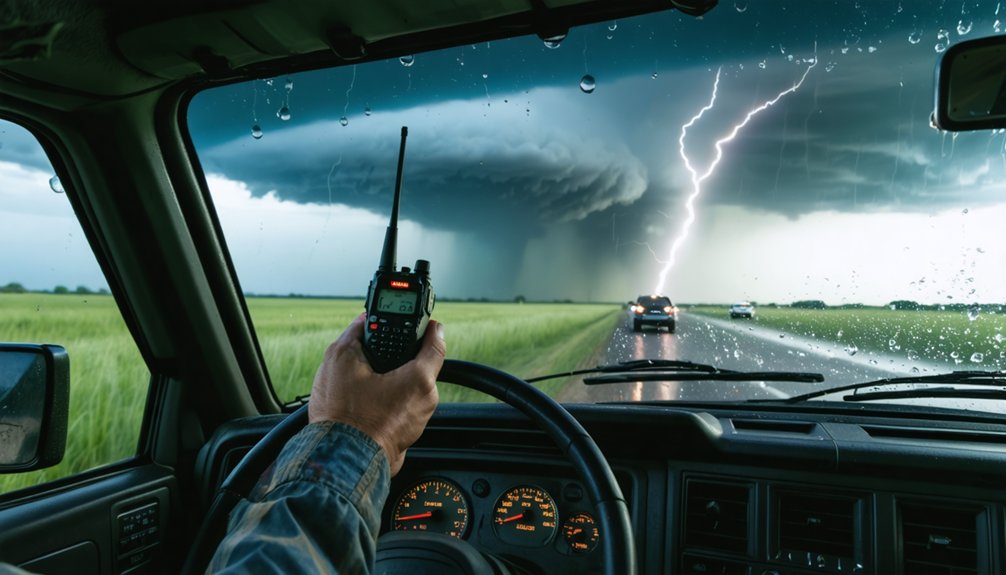
Data analytics transforms how you coordinate emergency response by converting raw sensor feeds, social media streams, and historical records into actionable intelligence. It lets you anticipate disasters before they strike, pinpoint high-risk areas, and allocate resources with precision instead of guesswork. Machine learning algorithms continuously refine forecasts, helping you prevent shortages and eliminate logistical inefficiencies. Post-event analysis then closes gaps in your future response strategies. Keep exploring to uncover exactly how each capability strengthens your emergency coordination framework.
Key Takeaways
- Data analytics converts real-time sensor feeds and social media into actionable intelligence, enabling faster, more informed emergency decision-making.
- Predictive modeling analyzes historical data to forecast disasters, allowing agencies to prepare responses before crises occur.
- Big data pinpoints high-risk areas, enabling strategic resource pre-deployment to protect vulnerable communities before conditions worsen.
- During disasters, learning algorithms continuously monitor resources and forecast demands, preventing critical shortages and optimizing distribution.
- Post-disaster analysis identifies coordination failures and resource inefficiencies, refining future response strategies and predictive models.
Why Emergency Coordinators Are Turning to Data Analytics
As disaster scenarios grow more complex and unpredictable, emergency coordinators are turning to data analytics to gain a decisive operational edge.
You’re operating in environments where delayed decisions cost lives, and traditional coordination methods can’t keep pace with fast-moving crises. Data-driven insights eliminate guesswork by converting real-time sensor feeds, social media signals, and historical records into actionable intelligence.
You can pre-deploy resources strategically, identify vulnerabilities before impact, and maintain sharper crisis communication across multiple agencies simultaneously.
Machine learning algorithms forecast resource demands based on population density and infrastructure conditions, giving you precise situational awareness before emergencies escalate.
Analytics doesn’t just support your response—it fundamentally transforms how you allocate personnel, manage logistics, and execute coordinated action under extreme pressure.
How Predictive Modeling Strengthens Disaster Preparedness
Predictive modeling gives you the analytical foundation to anticipate disasters before they unfold rather than scrambling to react once they do. By analyzing historical data and predictive trends, machine learning algorithms forecast storm patterns, patient influx, and disease outbreaks with precision. You’re no longer operating blindly when crises develop.
Modeling accuracy improves as algorithms process larger datasets, enabling vulnerability maps that pinpoint high-risk regions before impact hits. You can then tailor response plans to specific geographic and infrastructural conditions rather than deploying generic strategies.
As datasets expand, algorithms sharpen vulnerability maps, enabling targeted response plans built for specific geographic and infrastructural realities.
Advanced simulations also give you the ability to model multiple crisis development scenarios simultaneously, sharpening situational awareness before disaster strikes.
This proactive intelligence transforms emergency preparedness from reactive guesswork into a disciplined, data-driven operation that protects resources, personnel, and ultimately lives.
Spotting High-Risk Areas Before Disaster Strikes
Big data analytics lets you identify high-risk areas with precision before disaster conditions materialize. By synthesizing historical incident data, population density metrics, and infrastructure assessments, you can build detailed vulnerability assessment frameworks that expose weaknesses across geographic regions.
These models don’t just highlight danger zones—they quantify exposure levels, letting you prioritize risk mitigation efforts where they’ll generate the greatest protective impact.
You’re no longer reacting blindly. Predictive algorithms continuously process satellite imagery, soil composition data, and climate patterns, flagging areas showing early deterioration indicators.
That intelligence empowers you to allocate resources strategically before conditions escalate. Emergency coordinators who leverage these tools gain a decisive advantage—protecting communities through calculated, data-driven positioning rather than reactive scrambling after disaster has already compromised critical infrastructure and human safety.
How Analytics Optimizes Real-Time Resource Allocation
When disaster strikes, you can’t afford to guess where personnel and supplies are needed most—analytics eliminates that uncertainty. Real-time data from sensors and social media continuously monitors resource availability, giving you an accurate operational picture as conditions shift.
System learning algorithms assess population density and infrastructure status to forecast resource requirements before shortages develop. Big data pinpoints emerging hotspots, enabling strategic pre-deployment that maximizes analytics efficiency across affected zones.
You’re not reacting blindly—you’re executing decisions backed by precise, continuously updated intelligence. Data-driven logistics models optimize resource distribution by identifying gaps, reducing waste, and ensuring critical assets reach priority locations faster.
This analytical framework transforms chaotic disaster environments into manageable operational theaters where every resource decision carries measurable, evidence-based justification.
Why Visual Dashboards Speed Up Emergency Decisions
Raw data doesn’t make decisions—clarity does. When you’re coordinating emergency response under pressure, visual dashboards convert complex analytics into actionable intelligence within seconds.
That’s where visualization impact becomes decisive—transforming sensor feeds, traffic patterns, and infrastructure status into intuitive maps and graphs your team can immediately interpret.
You don’t have time to parse spreadsheets during a crisis. Dashboard effectiveness lies in its ability to surface critical information instantly, bridging communication gaps across multiple agencies without confusion or delay.
Live displays show resource positions, risk zones, and incoming threat data simultaneously, letting you deploy personnel based on evidence rather than assumption.
When every second matters, visual tools eliminate the bottleneck between data and decision. You gain situational awareness faster, respond smarter, and maintain operational control throughout the entire emergency lifecycle.
How Post-Disaster Data Closes Gaps in Future Response Plans
Visual dashboards keep you sharp during a crisis, but the real intelligence compounds after it ends. Post-event insights reveal what failed, what held, and where your response strategies need structural correction. You’re not guessing anymore—you’re working from evidence.
Post-disaster data systematically closes planning gaps by delivering:
Post-disaster data doesn’t just inform — it systematically closes the planning gaps that cost lives when it matters most.
- Coordination breakdowns — pinpointing where multi-agency communication collapsed under pressure
- Resource misallocation patterns — exposing inefficiencies in personnel and supply distribution
- Predictive model refinements — calibrating future storm and risk forecasts using real event data
- Health protocol improvements — informing emergency medicine policies based on actual patient outcome data
Each analysis cycle tightens your operational framework. You build leaner, faster, and more autonomous systems—ones that don’t repeat preventable failures when the next disaster demands your sharpest response.
Frequently Asked Questions
What Privacy Concerns Arise When Using Social Media Data in Emergencies?
When you use social media privacy data in emergencies, you’re exposing individuals to surveillance risks. Data ethics demand you balance public safety with consent, anonymization, and strict access controls to protect civil liberties effectively.
How Much Does Implementing Big Data Analytics Cost for Emergency Agencies?
You’ll find costs vary widely based on scale and infrastructure. Budget constraints demand careful cost analysis, but investing in big data analytics can optimize resource allocation, ultimately saving agencies more than initial implementation expenses.
Are Smaller Municipalities Able to Afford Advanced Disaster Analytics Technology?
You’re facing “fiscal realities,” but budget constraints don’t have to hold you back. Through technology partnerships with state agencies and vendors, you can access scalable, cost-effective disaster analytics solutions tailored to your municipality’s needs.
Who Is Responsible for Maintaining Iot Sensors Used in Disaster Monitoring?
You’re responsible for ensuring sensor maintenance falls to your local emergency management agencies, utilities, and government bodies. They’ve integrated IoT networks into disaster preparedness frameworks, actively monitoring systems to guarantee reliable, real-time data during critical crisis scenarios.
How Is Data Accuracy Verified When Collected During Chaotic Disaster Scenarios?
Ironically, chaos itself drives data validation—you’d think disaster scenarios break accuracy, but cross-referencing IoT sensors, social media, and real-time feeds guarantees chaos management keeps your data reliable, empowering free, informed decision-making.
References
- https://www.domesticpreparedness.com/articles/building-a-data-driven-culture-in-emergency-management/
- https://www.sciencedirect.com/science/article/pii/S2590061725000481
- https://crazystormchasers.com/using-data-analytics-for-better-coordination-in-emergencies/
- https://openreview.net/pdf/9c077bc44a2085fee60715efdc8aebd7ffd2608a.pdf
- https://media.neliti.com/media/publications/584038-data-driven-approaches-to-improving-emer-09856739.pdf
- https://www.irjet.net/archives/V9/i12/IRJET-V9I12269.pdf
- https://link.springer.com/article/10.1186/s41018-016-0013-9
- https://www.jmeonline.in/admin/uploadss/Chandresh Real Time Data Analytics in Emergency Response.pdf
- https://pmc.ncbi.nlm.nih.gov/articles/PMC11299705/
- https://doras.dcu.ie/32606/1/23papr02doras.pdf