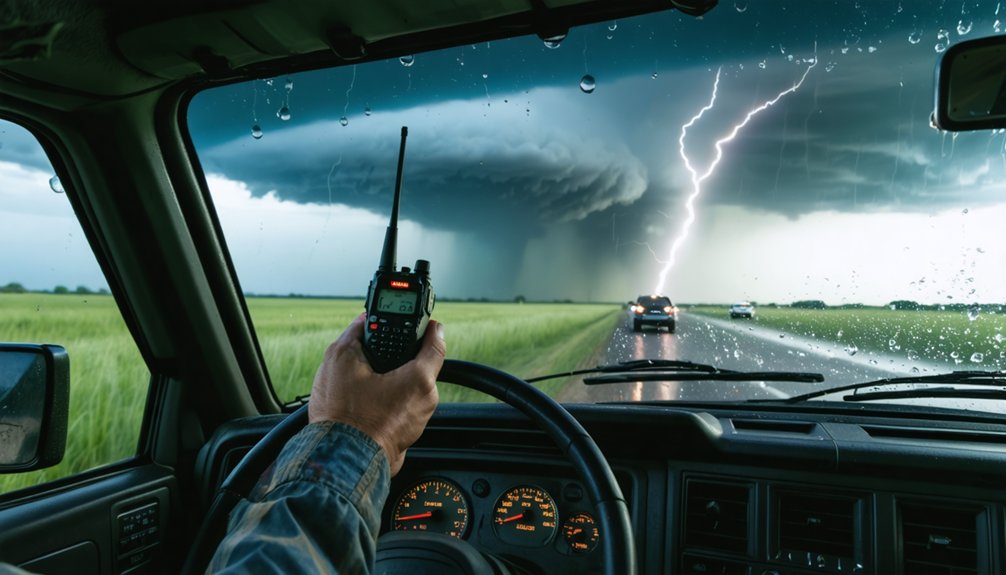
Coordinating emergency volunteers effectively requires preparation well before disaster hits. You’ll need a centralized volunteer database that tracks skills, certifications, and availability. Match volunteers to roles based on verified experience, and deploy multi-channel communication systems to keep everyone aligned in real-time. Prioritize safety training, scheduled wellbeing check-ins, and structured feedback sessions after every operation. Each of these strategies builds a stronger, more resilient volunteer force—and there’s much more to unpack on each front.
Key Takeaways
- Centralize volunteer data including skills, availability, and certifications to streamline recruitment and ensure proper role assignments during emergencies.
- Match volunteers to roles based on skill assessments, verified experience, and task alignment to maximize operational effectiveness.
- Implement multi-channel communication systems with real-time updates, automated alerts, and structured task descriptions to prevent fragmented coordination.
- Assign team leaders to monitor volunteer wellbeing, schedule break rotations, and provide accessible emotional support resources on-site.
- Conduct structured debriefs within 72 hours post-operation and document findings in After Action Reports for continuous improvement.
Build Your Volunteer Pool Before Disaster Strikes
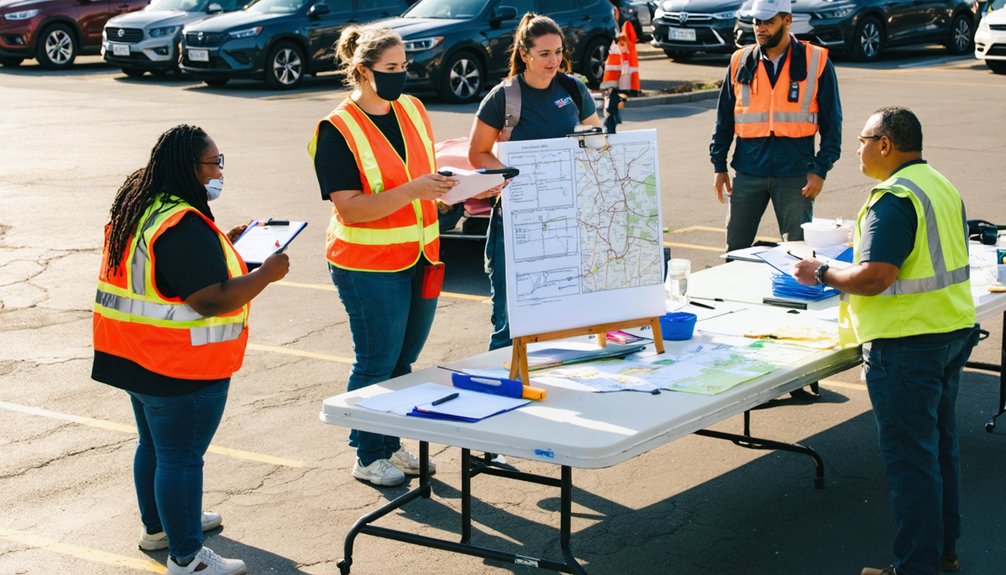
When disaster strikes, it’s too late to start building your volunteer base from scratch. You need a ready pool of pre-screened, trained volunteers before an emergency unfolds.
Start with community outreach to identify individuals willing to serve during crises. Connect with local nonprofits, civic groups, and city departments to expand your network. Collect volunteer data including skills, availability, and certifications in a centralized database.
Conduct skill assessments to categorize volunteers by expertise, ensuring you match the right people to the right roles quickly. Complete background checks and document training records in advance.
Set up mass communication systems using text, email, and push notifications for rapid deployment alerts.
When you’ve built this foundation ahead of time, you’ll respond faster, smarter, and more effectively when it counts.
How Do You Match Volunteers to the Right Emergency Roles?
Matching volunteers to the right roles starts with the data you’ve already collected. Use skill assessment results to drive volunteer categorization, grouping people by verified expertise, certifications, and availability. Experience verification guarantees you’re not placing untrained individuals in high-stakes positions.
Skill assessments and verified experience ensure the right volunteers fill the right roles from day one.
From there, focus on task alignment—matching each volunteer’s strengths directly to operational needs. Expertise matching reduces errors and accelerates deployment readiness across your entire response effort.
Don’t lock volunteers into rigid positions; role flexibility lets you reassign people quickly as conditions shift.
Training customization matters too. Tailor pre-deployment briefings to each volunteer’s assigned function rather than delivering one-size-fits-all instruction.
When you align the right person with the right role from the start, your entire operation runs faster, safer, and more effectively.
Which Communication Tools Keep Emergency Volunteer Teams Aligned?
Once you’ve matched volunteers to the right roles, keeping everyone aligned requires a communication strategy that works across multiple platforms simultaneously.
You’ll need to push real-time situation updates through text alerts, email, and mobile notifications so that volunteers always have current, accurate information as conditions shift.
Structured role communication—clear task descriptions, designated team leaders, and centralized scheduling systems—ensures your volunteers know exactly what’s expected without confusion slowing down the response.
Multi-Platform Alert Systems
During a fast-moving emergency, fragmented communication can stall your entire volunteer operation before it gains momentum. Multi-channel strategies eliminate that risk by reaching volunteers through text, email, and push notifications simultaneously, ensuring no one misses a critical update.
Alert system effectiveness depends on redundancy. When one platform fails, another carries the message. You can’t afford communication gaps when roles are shifting and conditions are changing by the minute.
Set up automated alerts that trigger instantly when situations evolve. Assign platform responsibilities clearly so team leaders know which channel handles what.
Train volunteers on all systems before deployment so they’re never learning tools during a crisis. Consistent, multi-platform coordination keeps your team aligned, responsive, and ready to act without hesitation.
Real-Time Situation Updates
When conditions shift mid-operation, your team can’t afford to rely on delayed reports or scattered updates. Real time coordination depends on keeping every volunteer informed as situations evolve.
Use centralized dashboards and shared communication channels to maintain situational awareness across all teams. Push live incident updates directly to volunteers through apps or group messaging platforms, ensuring communication efficiency without information overload.
Encourage volunteer feedback through simple, structured check-ins so leaders can adjust assignments quickly. That two-way flow strengthens crisis management by surfacing ground-level realities leadership might otherwise miss.
Strong emergency responsiveness means your communication systems work even when conditions deteriorate. Designate team leads responsible for relaying updates consistently, eliminating confusion and keeping operations moving.
When everyone knows what’s happening in real time, your response stays sharp and coordinated.
Structured Role Communication
Keeping volunteer teams aligned requires more than just broadcasting updates—it demands structured role communication that eliminates ambiguity before it disrupts operations. When every volunteer knows exactly what they’re responsible for, you reduce confusion and accelerate response times.
Assign each volunteer a written role description before deployment. These descriptions should outline specific tasks, reporting chains, and boundaries of authority. Don’t assume verbal instructions are enough—people under stress forget details quickly.
Build structured feedback loops into your communication system. Regular check-ins let team leaders catch role drift early and realign volunteers before small misunderstandings escalate. Role clarity isn’t a one-time briefing; it’s an ongoing process maintained through consistent communication.
Use designated team leaders as communication hubs, filtering information downward and pushing ground-level updates upward so coordination stays sharp throughout the operation.
Keep Volunteers Safe With the Right Training and Equipment

Protecting volunteers in high-stress disaster environments starts before they ever step into the field. You need to deliver clear training procedures before deployment, covering safety protocols, operational boundaries, and emergency response basics.
Don’t assume volunteers arrive prepared — even experienced individuals need situational briefings tailored to the specific disaster at hand.
Never assume volunteers arrive ready — even seasoned responders need briefings tailored to the specific disaster they’re walking into.
Equip every volunteer with appropriate safety gear before they take a single step into the field. Helmets, gloves, vests, or respirators — whatever the environment demands, you’re responsible for providing it.
Gaps in equipment create liability and endanger lives.
Identify volunteers with leadership experience early and position them to guide others through high-pressure situations.
When you invest in preparation upfront, you protect your people and strengthen your entire response operation.
How Do You Monitor Volunteer Wellbeing During Active Operations?
Monitoring volunteer wellbeing during active operations isn’t optional — it’s a core management responsibility. You need systems in place that track volunteer health without micromanaging every move.
Assign team leaders to check in regularly, watch for signs of physical fatigue, and identify anyone showing emotional distress early.
Build scheduled break rotations into your operational plan so rest isn’t an afterthought. Make emotional support resources visible and accessible — not buried in paperwork volunteers won’t read mid-crisis.
Staff a designated wellbeing contact or peer support person on-site.
You’ll also want check-in stations where volunteers can flag concerns without judgment. When people feel genuinely supported, they perform better and stay longer.
Protecting your volunteers protects your entire operation.
How to Keep Volunteer Morale High When It Matters Most

When volunteers feel valued, they push through exhaustion, stay engaged, and perform at a higher level when it counts most. You don’t need elaborate volunteer incentives to sustain morale—simple recognition programs, public acknowledgment, and genuine gratitude go a long way.
Valued volunteers don’t just show up—they show out, pushing harder when it matters most.
Build team bonding through brief check-ins and shared mission reminders that reinforce purpose. Offer stress management resources and schedule short morale boosters like encouraging words from leadership or community support messages.
Run motivational workshops before major operational phases to sharpen focus and restore energy.
Create space for honest feedback sessions where volunteers voice concerns without judgment. When people feel heard, their commitment deepens.
Prioritize their autonomy, respect their time, and consistently demonstrate that their contributions directly drive meaningful outcomes for the communities they’re protecting.
Debrief Every Emergency to Improve How You Deploy Volunteers Next Time
Every emergency operation ends with lessons you can’t afford to ignore. Your debrief strategies determine whether you repeat mistakes or sharpen your response.
Build feedback loops that capture honest input from volunteers, team leaders, and coordinators immediately after operations conclude.
Follow these four debriefing actions:
- Hold structured debriefs within 72 hours while details remain fresh in everyone’s memory.
- Collect volunteer feedback through surveys or direct conversations to surface ground-level insights.
- Document findings in After Action Reports that your team can reference before the next deployment.
- Update training and role assignments based on identified gaps to strengthen future coordination.
You owe it to your volunteers and your community to act on what you learn. Continuous improvement isn’t optional—it’s your responsibility.
Frequently Asked Questions
How Do Legal Liability Issues Affect Emergency Volunteer Coordination Programs?
Legal liability issues shape how you’ll structure your program. You’ll need liability waivers to protect volunteers and your organization. Prioritize thorough volunteer training so everyone understands safety protocols, minimizing legal risks while preserving operational freedom.
Can Volunteers Receive Compensation or Reimbursement During Disaster Response Operations?
Yes, you can receive reimbursement for disaster response expenses. Clear reimbursement policies covering travel, meals, and equipment protect your financial interests, while volunteer incentives like recognition and training opportunities keep you motivated and freely engaged.
What Age Restrictions Apply to Deploying Volunteers in Emergency Situations?
Like a torch passed carefully, age limitations vary by role. You’ll find youth volunteers often serve in support tasks, while high-risk roles require adults. Always verify local regulations and match assignments to guarantee everyone’s safe contribution.
How Do You Handle Volunteers Who Become Unavailable Mid-Operation Unexpectedly?
When volunteers become unexpectedly unavailable, you’ll activate contingency planning by drawing from your pre-screened volunteer pool. Maintain strong volunteer communication channels to reassign roles quickly, ensuring operations continue smoothly without disruption to critical emergency response efforts.
Are There Insurance Requirements Organizations Must Meet Before Deploying Emergency Volunteers?
Like a shield in battle, insurance protects everyone—you’ll need liability coverage, workers’ compensation, and accident insurance types with adequate coverage limits before deploying volunteers, ensuring your organization’s freedom to operate confidently and responsibly.
References
- https://www.hsaj.org/articles/684
- https://assets.publishing.service.gov.uk/media/5d6802abed915d53ac85a079/20190722-Planning-the-coordination-of-spontaneous-volunteers-in-emergencies_Final.pdf
- https://www.pointsoflight.org/blog/15-volunteer-management-strategies-for-times-of-disaster/
- https://www.ruralhealthinfo.org/toolkits/emergency-preparedness/3/community-engagement-volunteer-management
- https://volunteeringact.org.au/wp-content/uploads/2019/10/be-prepared-managing-volunteers-in-emergencies.pdf
- https://crazystormchasers.com/coordinating-volunteers-in-emergency-response/
- https://www.linkedin.com/advice/0/youre-coordinating-emergency-volunteers-how-fefve
- https://www.offero.com/blog/crisis-ready-how-to-mobilize-volunteers-in-emergency-situations
- https://asprtracie.hhs.gov/technical-resources/74/volunteer-management/0
- https://www.sciencedirect.com/science/article/pii/S2590061724000516