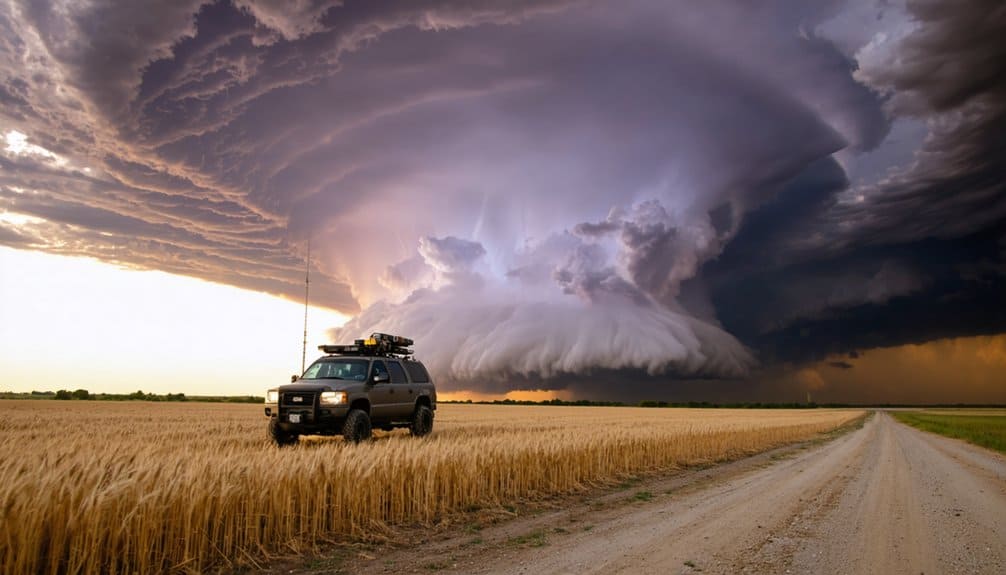
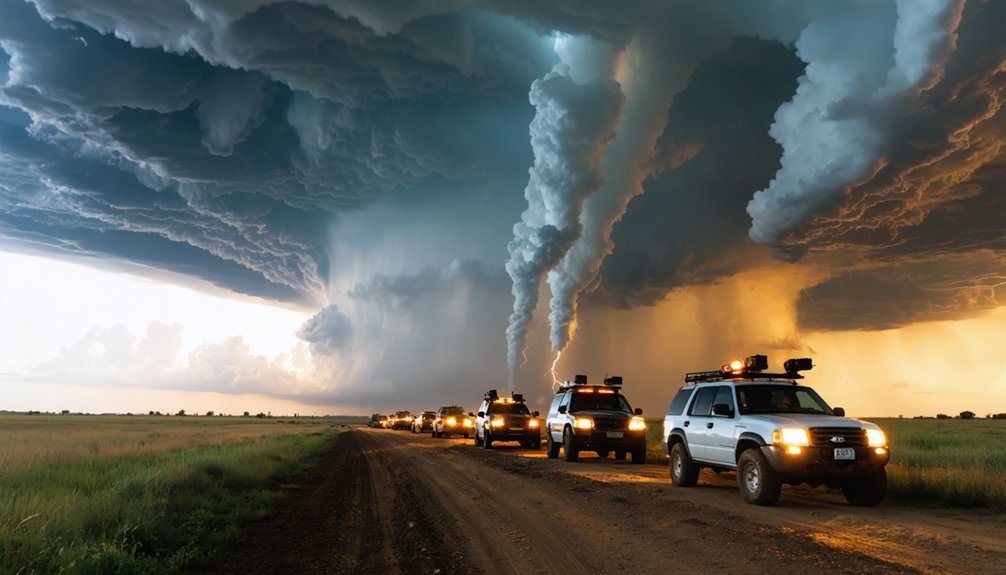
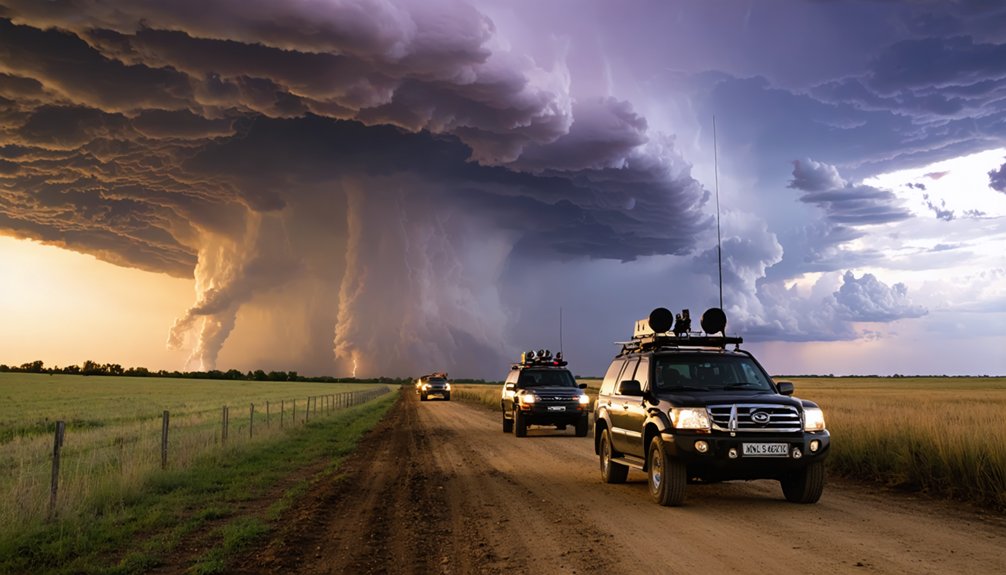
Joining a guided hurricane tour gives you access to real-time meteorological data, experienced chase operators, and pre-planned safety protocols you can’t replicate solo. You’ll avoid the critical mistakes that come from misreading rapid wind field shifts, storm surge timing, and eyewall behavior. Guides handle routing, permits, and contingency planning before you arrive, cutting your decision fatigue mid-storm. If you want to understand exactly how guided tours transform hurricane chasing into a calculated, safer experience, keep going.
Key Takeaways
- Guided tours provide real-time meteorological expertise, enabling safer, more informed positioning decisions during rapidly changing hurricane conditions.
- Pre-planned safety protocols, emergency procedures, and contingency plans significantly reduce risks associated with solo hurricane chasing.
- Expert guides interpret live NOAA data and local terrain knowledge, minimizing exposure to unexpected hazards.
- Small group settings foster collaborative learning, enhancing understanding of eyewall structure, rain bands, and wind dynamics.
- Logistics, permits, and equipment are handled in advance, reducing decision fatigue and hidden costs.
Why Chasing Hurricanes Alone Is a Risky Gamble
Chasing a hurricane alone puts you in direct conflict with one of the most unpredictable and lethal weather systems on Earth. Without professional support, you’re relying on incomplete information, untested instincts, and weather myths that can get you killed.
Storm psychology plays a real role here — the excitement of proximity distorts judgment, pushing you closer than safety allows.
The closer you get, the less clearly you see — excitement is its own kind of blindness.
Independent chasers often underestimate rapidly shifting wind fields, storm surge timing, and structural changes within the eyewall.
There’s no backup plan, no trained crew, and no one managing your evacuation window. One miscalculation costs everything.
Real freedom in storm chasing isn’t recklessness — it’s informed decision-making built on accurate data, local knowledge, and situational awareness that solo pursuits simply can’t provide.
How Guided Hurricane Tours Reduce Your Exposure to Danger
When you join a guided hurricane tour, you place yourself in the hands of a trained crew that actively manages your proximity to dangerous storm conditions. These specialists apply real-time weather awareness, local terrain knowledge, and structured evacuation protocols to keep your exposure within calculated limits.
Built-in emergency procedures mean you’re not improvising critical decisions under pressure—your guides already have a plan when conditions shift.
Trained Crew Minimizes Risk
Hurricanes are among the most dangerous weather systems on Earth, and entering their environment without proper training can get you killed. Storm intensity can shift rapidly, and weather unpredictability means conditions that looked manageable minutes ago can turn lethal without warning. That’s where a trained crew becomes your most critical asset.
Guided hurricane tour operators deploy crews with specialized meteorological knowledge, emergency response training, and first aid certification. They’ve studied storm behavior, know how eyewalls and rain bands evolve, and they’ve built evacuation protocols around worst-case scenarios.
You’re not navigating those decisions alone under pressure.
This structure gives you real freedom—the freedom to engage with the storm fully, knowing professionals are actively managing the risks you can’t see coming.
Built-In Emergency Procedures
Every guided hurricane tour operates around a core safety architecture that independent chasers simply don’t have. You’re moving through a high-risk environment where conditions shift fast, and built-in emergency procedures give you structured options when things escalate.
Guides pre-identify evacuation routes, monitor storm safety protocols in real time, and adjust positioning based on live atmospheric data. You’re not improvising under pressure — your team’s already planned for it.
Risk awareness is embedded into every decision: where you park, how long you stay, and when you move. Guides carry first aid training and coordinate with local emergency contacts when necessary.
That infrastructure doesn’t restrict your freedom — it expands it. You can engage more fully with the storm because someone else is managing the exit strategy.
What Real-Time Storm Data Does for Your Safety on a Guided Tour
During an active hurricane, real-time atmospheric data collected by Hurricane Hunter aircraft directly shapes the decisions your tour guide makes on the ground. NOAA and the U.S. Air Force Reserve 53rd Weather Reconnaissance Squadron continuously measure wind speed, pressure, and storm trajectory, feeding updated models to forecasters.
Your guide uses that storm data to assess path shifts, eyewall behavior, and rain band intensity before repositioning your group.
The safety benefits are direct. When atmospheric conditions change faster than expected, real-time measurements allow your guide to adjust timing and location without guesswork. You’re not relying on outdated forecasts or assumptions. You’re moving based on current, verified information.
That precision reduces your exposure to dangerous conditions and keeps your viewing position calculated rather than reactive.
What a Guided Hurricane Tour Handles Before You Arrive
Before you arrive, your tour operator has already locked in routing plans, confirmed access points, and built a flexible itinerary around the storm’s projected track.
Gear requirements, equipment checks, and any necessary permits are bundled into the package so you’re not sourcing or coordinating those details independently.
You show up ready to chase — the logistical groundwork is already done.
Pre-Trip Logistics Handled
When you book a guided hurricane tour, the operator takes on the bulk of pre-trip logistics so you can focus on the experience itself. They coordinate transportation, gear access, permitting, and route planning before you ever leave home.
Itineraries are built around storm prediction models, allowing the team to position you ahead of a storm’s projected path with precision. You don’t have to monitor forecast models, cross-reference evacuation zones, or second-guess your timing.
Safety protocols are established before departure—covering emergency procedures, communication systems, and contingency routes. These aren’t improvised on-site; they’re structured in advance by people who understand how rapidly storm conditions change.
The result is a trip where your decisions narrow down to showing up ready, not managing a logistical framework from scratch.
Gear and Permit Prep
Gear and permit access are two of the more friction-heavy parts of any storm-chasing trip—and a guided tour handles both before you arrive. You show up ready to move, not scrambling to source equipment or clear access requirements.
Tours typically manage:
- Specialized gear — weather-rated equipment aligned with storm safety standards
- Permit coordination — access clearances for restricted zones near active systems
- Weather preparedness kits — first aid supplies, communication devices, and emergency protocols
- Logistics bundling — gear costs folded into tour pricing, eliminating hidden expenses
This pre-trip structure means your mental bandwidth stays focused on the storm itself. You’re not troubleshooting logistics when conditions shift fast. The groundwork is already done—professionally, precisely, and with your safety built into every decision.
How Local Expertise Makes You a Better Storm Observer
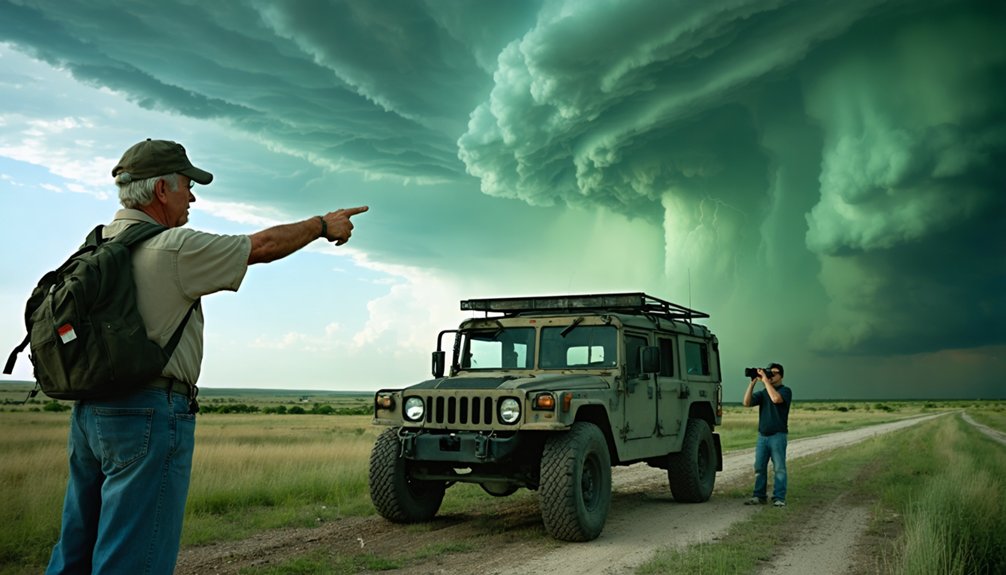
Watching a hurricane without expert guidance means you’re likely misreading what you’re seeing. Rain bands look chaotic, eyewall structure shifts constantly, and wind field changes aren’t obvious without context. Local knowledge closes that gap fast.
Guides who’ve tracked storms across the same terrain read conditions you’d miss entirely. They know which elevation changes accelerate wind speed, where storm surge moves fastest, and how regional geography distorts standard forecasting models. That storm insight turns raw sensory data into meaningful observation.
You’re not just watching a storm anymore — you’re interpreting it. Guides connect what’s happening visually to what’s occurring atmospherically, giving you a real-time framework for understanding storm behavior.
That kind of informed perspective transforms your position from passive spectator to active, knowledgeable observer.
Is a Guided Hurricane Tour Worth the Cost?
Cost is the first filter most storm chasers apply, and a guided hurricane tour clears it more often than you’d expect. Your financial investment typically bundles:
- Transportation and navigation across fast-shifting storm corridors
- Real-time meteorological interpretation from trained guides
- Emergency procedures and evacuation planning built into every route
- Gear, permits, and logistics handled before you arrive
That bundled structure removes hidden costs and decision fatigue simultaneously. You’re not just paying for convenience—you’re buying compressed expertise and personal safety infrastructure you can’t easily replicate alone.
Independent chasing demands significant research, local knowledge, and risk management skills that take years to develop. A guided tour delivers those assets immediately.
If storm access, informed observation, and calculated risk matter to you, the value equation resolves quickly.
Who You’ll Chase Storms With on a Guided Tour
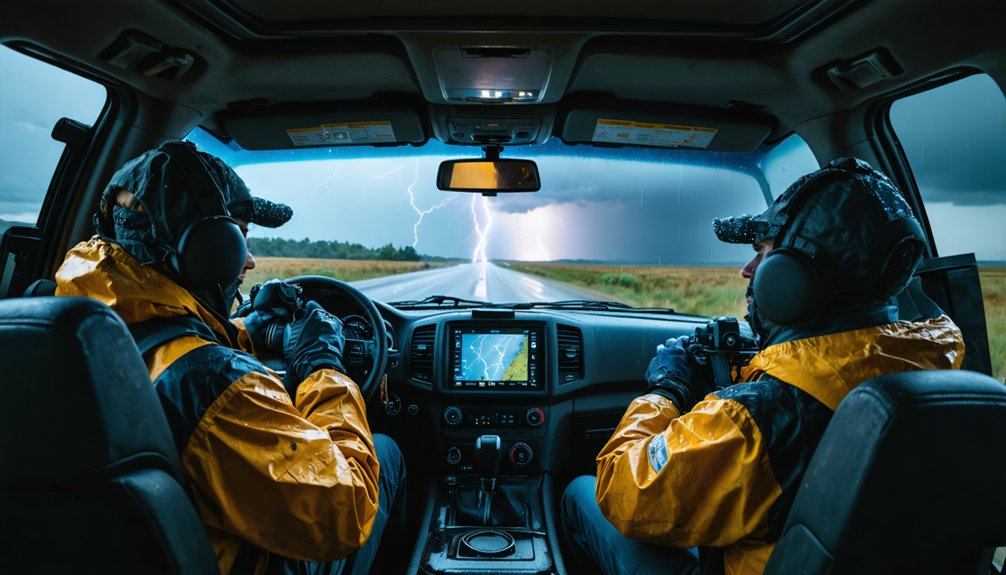
When you join a guided hurricane tour, you’re sharing the experience with a small, curated group—typically other weather enthusiasts, amateur meteorologists, photographers, and first-time storm chasers. These groups stay intentionally small to maintain storm safety and operational flexibility as conditions shift.
Your guides are usually seasoned meteorologists or experienced chase operators who deliver expert guidance throughout every phase of the storm. They interpret atmospheric data in real time, explain eyewall structure, rain band behavior, and wind field dynamics, and make critical positioning decisions so you don’t have to.
The group dynamic adds value beyond safety. You’ll exchange observations, build shared context, and develop a stronger understanding of storm behavior alongside people who share your drive to experience extreme weather firsthand.
Frequently Asked Questions
What Physical Fitness Level Is Required to Join a Hurricane-Chasing Tour?
Tour requirements vary, but you’ll need moderate physical endurance to handle prolonged outdoor exposure. Safety precautions are built into guided operations, so you don’t need elite fitness—just reliable stamina and mobility during active storm conditions.
How Far in Advance Should You Book a Guided Hurricane Tour?
While last-minute bookings seem viable, they’re rarely reliable. You should book 2–3 months ahead, as peak hurricane season fills slots fast. Early commitment strengthens your safety precautions planning and allows guides to optimize weather considerations for your chase window.
What Should Participants Pack for a Guided Hurricane-Chasing Experience?
Pack waterproof gear, sturdy boots, and layers for storm safety. You’ll need a first aid kit, emergency rations, and communication devices. Prioritize weather preparedness with rain protection, backup batteries, and any personal medications you can’t go without.
Are Guided Hurricane Tours Available for Children or Younger Participants?
Most guided hurricane tours aren’t designed for children—child safety protocols and age restrictions typically exclude younger participants. You’ll find these experiences demand physical and mental resilience that operators reserve for adults ready to embrace genuine storm-chasing freedom.
How Long Does a Typical Guided Hurricane-Chasing Tour Usually Last?
Guided hurricane-chasing tours typically last 5–7 days. You’ll experience structured safety precautions and weather preparedness protocols throughout, with itineraries adapting dynamically to storm movement, ensuring you maximize viewing windows while minimizing unnecessary exposure to dangerous conditions.
References
- https://www.mayflowercruisesandtours.com/hurricane-hunters-the-heroes-of-the-storm/
- https://guideradventure.com/are-guided-tours-worth-it/
- https://www.qbictravel.com/benefits-of-guided-adventure-tours/
- https://www.pitchtravelwrite.com/guided-tours.html
- https://www.ytravelblog.com/why-take-guided-tours-over-independent-travel/