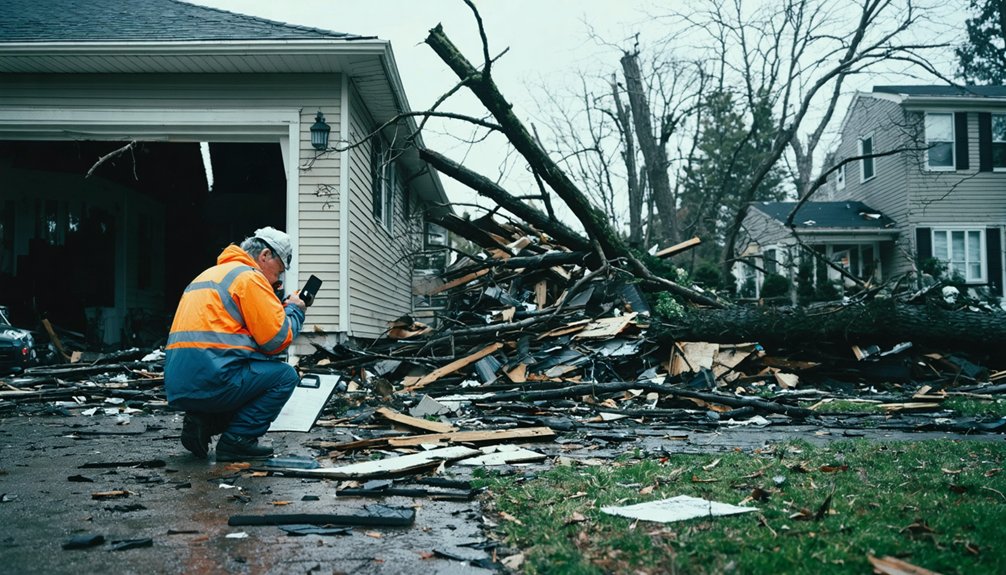
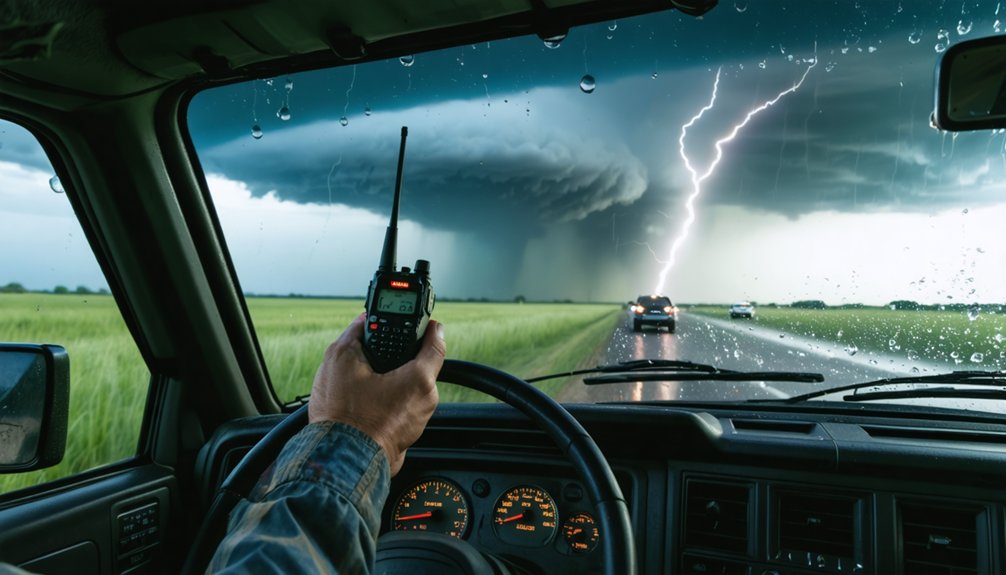
The best emergency communication strategies start with building community trust before a crisis hits. When one does strike, confirm known facts within the first 60 minutes, acknowledge what you don’t yet know, and lead with empathy before delivering instructions. Keep your messaging consistent across every channel, use trusted local voices to extend your reach, and conduct post-incident reviews to sharpen future responses. There’s much more to each of these strategies than meets the eye.
Key Takeaways
- Establish trust before a crisis through proactive community engagement, consistent accurate information sharing, and pre-tested notification systems.
- In the first 60 minutes, confirm known facts, acknowledge uncertainties, and lead with emotional support before sharing details.
- Use short, clear sentences, avoid technical jargon, and project composure to prevent panic and enhance public understanding.
- Maintain identical messaging across all platforms, designating a central approval source to ensure consistency and prevent confusion.
- Conduct post-incident reviews after every emergency to identify gaps, assign improvements, and transform reactive teams into proactive ones.
What Poor Emergency Communication Actually Costs You
When an emergency strikes and your communication fails, the consequences ripple far beyond the immediate crisis. Miscommunication costs you more than time — it costs lives, resources, and credibility.
Delayed or inaccurate messages create panic, trigger poor decisions, and slow your entire response effort.
Trust erosion is equally damaging. Once people doubt your information, they stop listening. They seek answers elsewhere, often finding misinformation that compounds the crisis.
Rebuilding that trust takes far longer than the emergency itself.
You also face financial consequences — lawsuits, regulatory penalties, and operational disruptions that drain your organization. Poor communication exposes vulnerabilities that could’ve been prevented with clear protocols.
The bottom line: every gap in your emergency communication strategy carries a measurable price. You can’t afford to wait until crisis hits to fix it.
What to Communicate in the First 60 Minutes of a Crisis
The first 60 minutes of a crisis define how the rest of it unfolds. Your immediate response sets the tone for trust building or its collapse. Start with crisis messaging that confirms what you know, what you don’t, and what you’re doing about it.
Audience awareness matters here — different people need different reassurances, so lead with emotional support before facts.
Prioritize communication clarity above everything. Tell people where to go, what to do, and when to expect updates. Don’t wait until you have all the answers. Silence breeds panic faster than uncertainty does.
Use active listening to gauge what your audience actually fears, then respond directly to those concerns. Keep messages short, honest, and consistent. You’re not just sharing key information — you’re stabilizing people.
Build Emergency Communication Trust Before a Crisis Hits
Trust isn’t built during a crisis — it’s spent. Every relationship you’ve neglected, every message you’ve delayed, and every promise you’ve broken surfaces the moment people need you most.
Your trust building strategies must begin now, not when sirens sound. Partner with community organizations, local leaders, and trusted messengers before emergencies strike. Share accurate information consistently across multiple channels so your audience already recognizes your voice when stakes are high.
Trust building starts long before emergencies — your community must already know your voice when it matters most.
Proactive engagement means conducting training sessions, testing notification systems, and establishing clear communication protocols well in advance. Let your people practice procedures until they’re second nature.
When you’ve invested in transparency and credibility beforehand, your community won’t question your guidance during a crisis — they’ll follow it.
That’s the freedom preparedness creates.
Choose the Right Emergency Communication Channels for Your Audience
Not every communication channel works for every audience, so you must identify who you’re reaching before you choose how to reach them.
Employees on a factory floor need different channels than remote staff or vulnerable community members who may lack internet access.
Match each channel to your audience’s specific needs, habits, and accessibility to guarantee your message actually lands when it matters most.
Identify Audience-Specific Channels
During an emergency, every second counts, and reaching the right people through the right channels can mean the difference between order and chaos. You can’t rely on a one-size-fits-all approach when lives are at stake.
Start by evaluating your audience demographics — age, location, language, and technology access all determine channel effectiveness. Younger populations respond faster to mobile alerts and social media, while older adults may depend on radio or landline calls.
Non-English speakers need trusted messengers delivering information in their native language.
Map each audience segment to the channels they actually use daily. Then pre-test those channels before a crisis hits.
When you know exactly who you’re reaching and how, you eliminate dangerous communication gaps and keep everyone informed, calm, and empowered to act.
Match Channels To Needs
Choosing the right communication channel isn’t just a logistical decision — it’s a life-safety one. Different situations demand different communication tools, and your audience engagement strategy must reflect that reality.
Younger populations respond faster to mobile alerts and social media updates. Older adults may rely on radio broadcasts or direct phone calls. Non-English speakers need messaging through culturally trusted platforms. People with disabilities require accessible formats like captioning or visual alerts.
You can’t afford a one-size-fits-all approach during a crisis. Match your channel to your audience’s habits, access, and limitations.
If your message doesn’t reach the right people through the right medium, it fails — regardless of how accurate it is. Evaluate your audience first, then deploy accordingly.
Deliver Calm, Compassionate Messages Under Pressure
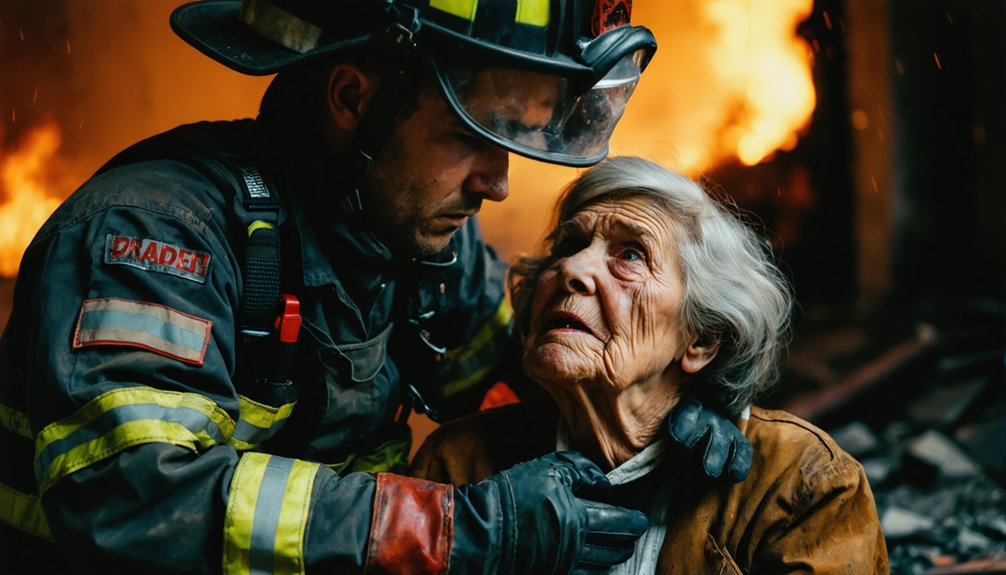
When an emergency strikes, your ability to stay calm directly influences how others around you respond.
You’ll find that speaking in measured tones, avoiding panic-driven language, and choosing hopeful phrases like “we’ll get through this together” can meaningfully reduce fear and confusion.
Maintain Composure Under Pressure
Maintaining composure under pressure is one of the most critical skills you’ll need when communicating during an emergency. Your emotional resilience directly shapes how others respond — panic is contagious, and so is calm.
Effective crisis management depends on your ability to regulate your own emotional state before addressing others. Breathe deliberately, speak slowly, and project confidence even when uncertainty exists. People look to you for stability, so your tone matters as much as your words.
Use short, clear sentences and avoid technical jargon. Acknowledge fear without amplifying it. Say things like, “We’re taking action right now,” to reinforce control and direction.
Showing genuine empathy while staying focused keeps trust intact. Your composure isn’t weakness — it’s the foundation that holds your entire emergency communication strategy together.
Use Empathetic, Hopeful Language
Composure sets the stage, but the words you choose determine whether people feel safe enough to act. In emergencies, your language either anchors people or unravels them.
Adopt an empathetic tone immediately — acknowledge fear without amplifying it.
Say “you will get through this” rather than focusing on what’s going wrong. Hopeful messaging isn’t false optimism; it’s a strategic tool that restores agency and reduces panic. People need to believe survival and recovery are possible before they’ll follow your guidance.
Avoid negative framing, technical jargon, and catastrophic language. Speak directly, use short sentences, and repeat reassuring key points consistently.
Your words signal safety, competence, and care simultaneously — three things people desperately need when their freedom and security feel threatened.
Use Trusted Community Voices When Officials Lose Credibility
During a crisis, public trust in officials can erode quickly, and when it does, you’ll need trusted community voices to carry your message forward.
Identify trusted messengers before emergencies strike — faith leaders, neighborhood advocates, and local organizations already hold the credibility you may lack in high-stress moments.
Build community partnerships now so these allies can amplify accurate information across populations that distrust government sources. Brief them regularly, share your key messages clearly, and give them the tools to respond confidently.
When officials lose credibility, misinformation fills the vacuum fast. You can’t afford that gap.
Activate your network immediately, coordinate messaging across every channel, and let trusted voices speak directly to the communities they already serve. That’s how accurate information reaches everyone.
Keep Your Emergency Communication Consistent Across Every Channel

Once you’ve activated your trusted messengers, your next responsibility is making sure every channel carries the same message. Inconsistency breeds confusion, and confusion costs lives during emergencies.
Inconsistent messaging doesn’t just confuse — it kills. Every channel must speak with one voice.
Communication alignment isn’t optional — it’s operational. Whether you’re pushing updates through social media, text alerts, radio broadcasts, or printed notices, every platform must reflect identical facts, timelines, and instructions.
Don’t let individual departments craft their own messaging independently. That’s how contradictions spread.
Consistent messaging requires a central source of truth. Designate one team to approve all outgoing communications before release. Document every approved message in writing and timestamp each update.
When facts change, update all channels simultaneously.
You protect people’s freedom to make informed decisions by giving them reliable, uniform information they can act on immediately.
Run a Post-Incident Review That Sharpens Your Next Response
After every emergency ends, your work isn’t finished — it’s shifting focus. Run a post incident analysis to identify what worked, what failed, and what needs fixing before the next crisis hits.
Gather your team quickly while details are still fresh. Review your communication channels, message accuracy, response times, and coordination gaps. Ask hard questions: Did information reach everyone it needed to? Were protocols followed? Where did confusion slow things down?
Document every finding and turn each gap into a concrete action item. Assign ownership, set deadlines, and follow through. This process drives real response improvement — not just paperwork.
Your post-incident review isn’t optional if you’re serious about protecting people. It’s the tool that transforms a reactive team into a prepared one.
Frequently Asked Questions
How Do You Communicate Emergencies to People With Disabilities or Language Barriers?
Accessibility isn’t complicated. Use accessible formats like braille, visuals, and captioning, and deploy language interpretation services immediately. You’ll reach everyone effectively by partnering with trusted community organizations and leveraging multiple communication channels tailored to diverse needs.
What Legal Requirements Govern Emergency Communication in Workplaces or Public Institutions?
You must follow legal frameworks like ADA, OSHA, and local emergency laws. These compliance standards require you to maintain accessible, timely, and accurate communication systems, ensuring everyone receives critical alerts without discrimination or unnecessary barriers.
How Often Should Emergency Communication Plans Be Updated or Reviewed Proactively?
You should review your emergency communication plan annually at minimum. Conduct plan evaluation after every incident and when regulations change. Increasing communication frequency during drills guarantees you’re always prepared, adaptable, and maintaining credibility with everyone you’re protecting.
Who Is Legally Responsible if Emergency Communications Fail During a Crisis?
You’re responsible for understanding your organization’s liability considerations when communication protocols fail. Leadership, emergency managers, and designated personnel share legal accountability, so you must define roles clearly and document all emergency communication decisions to protect yourself.
Can Employees Refuse Emergency Assignments, and How Should That Be Communicated?
Yes, employees can refuse unsafe assignments — that’s their right. You must communicate employee rights clearly, guarantee assignment clarity upfront, and document refusals through established protocols, keeping all messaging factual, respectful, and accessible across multiple channels.
References
- https://training.fema.gov/emiweb/is/is242b/student manual/sm_03.pdf
- https://www.who.int/about/communications/actionable/emergencies
- https://www.fcc.gov/reports-research/guides/tips-communicating-emergency
- https://www.juvare.com/thought-leadership/blogs/6-tips-for-effective-emergency-communication/
- https://aspr.hhs.gov/behavioral-health/Pages/crisis-factsheet.aspx
- https://hsph.harvard.edu/health-communication/news/opinion-how-to-communicate-during-public-health-emergency/
- https://pmc.ncbi.nlm.nih.gov/articles/PMC8352364/
- https://www.aha.org/aha-clear/communication-strategies
- https://www3.paho.org/disasters/dmdocuments/RespToolKit_20_Tool 12_FundamentalsofCommunicationDuringCrisesandEmergencies.pdf
- https://nvlpubs.nist.gov/nistpubs/technicalnotes/nist.tn.1779.pdf