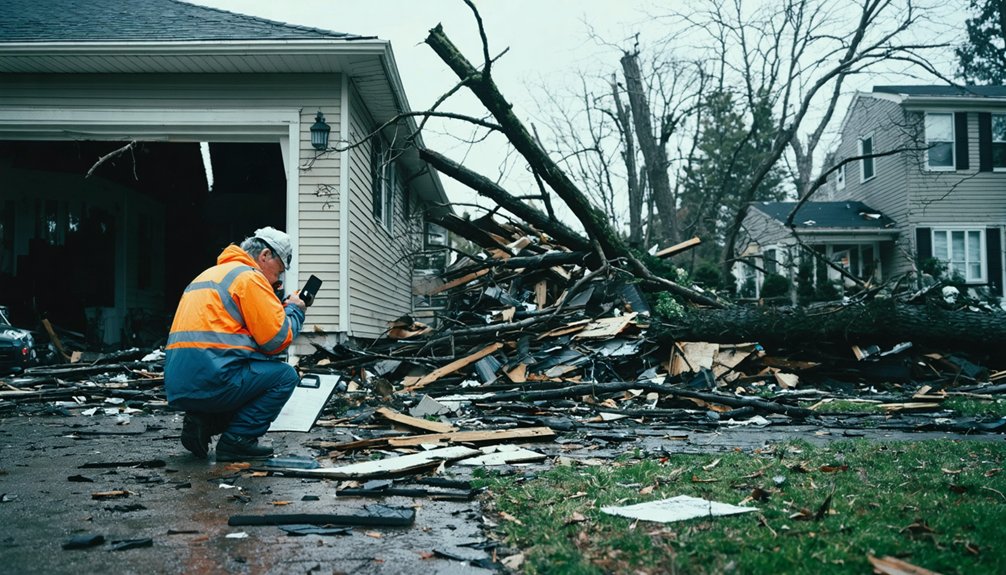
When severe weather threatens, you need to know your nearest storm shelter before it hits. Near Wichita-area hospitals, your best options include the Wichita Shelter at 225 W Douglas Ave. (capacity 1,500), Haysville Community Shelter (capacity 200), and Glenn Park Christian Church (capacity 100+). Always confirm operating status ahead of storms, identify multiple routes, and map shelters within walking distance. The details below will help you prepare a smarter, faster evacuation plan.
Key Takeaways
- The Wichita Shelter at 225 W Douglas Ave offers the largest nearby capacity at 1,500 persons, located 5.33 miles from center.
- Smaller shelters like Oaklawn Activity Center (50+) and Glenn Park Christian Church (100+) fill quickly, making multiple backup options essential.
- Red Cross shelters provide first aid, prescription refills, and eyeglass replacement, ensuring basic medical needs are met during evacuation.
- Pre-registration for medical equipment users is critical; contact local emergency management to confirm backup power availability at chosen shelters.
- Combined capacity of verified nearby shelters exceeds 3,080+ persons, with reinforced concrete structures and interior positioning ensuring maximum storm protection.
Storm Shelters Near Hospitals: Why Location Changes Everything
When a tornado strikes, the distance between you and the nearest storm shelter can mean the difference between life and death — and that’s especially true near hospitals, where patients, visitors, and staff can’t always move quickly.
Shelter accessibility isn’t just a convenience; it’s a critical factor in survival. You need to know where designated shelters are before the storm hits, not during it. Emergency preparedness means mapping your routes in advance, identifying the closest options, and understanding each shelter’s capacity.
Hospitals present unique challenges — mobility-limited individuals, life-sustaining equipment, and high foot traffic all complicate evacuation. Choosing the right shelter location near a hospital requires deliberate planning, clear signage, and a coordinated response strategy that keeps everyone moving safely and efficiently when seconds matter most.
Verified Storm Shelters on or Inside Wichita-Area Hospital Campuses
Planning ahead means knowing exactly which shelters are verified and accessible before a storm forces the decision.
Planning ahead means knowing exactly which shelters are verified and accessible before a storm forces the decision.
For hospital safety near Wichita, your shelter logistics depend on confirmed locations you can reach fast.
Three verified shelters closest to Wichita’s medical corridor include:
- Glenn Park Christian Church – 2757 S. Glenn Ave., Wichita KS 67217, capacity 100+, 2.73 miles from center
- Haysville Community Shelter – 200 W Grand Ave., Haysville KS 67060, capacity 200, 3.06 miles from center
- Wichita Shelter – 225 W Douglas Ave., Wichita KS 67202, capacity 1,500, 5.33 miles from center
You shouldn’t wait until sirens sound.
Map your route now, confirm operating status directly with each facility, and keep that plan accessible offline.
Community Shelters Within Walking Distance of Wichita’s Major Hospitals
Four community shelters sit within a manageable distance of Wichita’s hospital corridor, giving you practical options if you’re on foot during an emergency.
Oaklawn Activity Center at 4904 S. Clifton Ave. holds 50+ persons and sits 2.70 miles from center. Glenn Park Christian Church at 2757 S. Glenn Ave. accommodates 100+ persons at 2.73 miles.
Haysville Community Shelter at 200 W. Grand Ave. supports 200 persons at 3.06 miles. Haysville City Hall, also at 200 W. Grand, holds 80+ persons at the same distance.
For stronger emergency preparedness, identify your closest option before severe weather threatens. Community safety depends on knowing your route in advance.
Each location offers verified capacity, so you’re not guessing when conditions deteriorate fast.
Red Cross Shelters Closest to Regional Medical Centers in Kansas
Red Cross shelters near Kansas regional medical centers offer more than just a safe space—they’re equipped with meals, water, first aid, and prescription refills, making them especially critical if you’re displaced from a hospital setting.
Prioritize shelter accessibility when planning your emergency route, especially if medical transport is involved.
When mapping your emergency route, make shelter accessibility the top priority—especially if medical transport may be needed.
Key Red Cross-supported shelters closest to Kansas regional medical centers:
- Wichita Shelter – 225 W Douglas Ave., capacity 1,500 persons, 5.33 miles from center
- Wichita Sedgwick Co. EOC – 714 N Main St., capacity 1,000 persons, 6.11 miles from center
- Shepherd Tornado Shelter – 1212 E 21st St N, capacity 150 persons, 8.01 miles from center
Confirm shelter availability through the Red Cross map before severe weather strikes.
How to Find a Storm Shelter Near Any Hospital
Whether you’re near a hospital in Wichita or anywhere else in the US, finding the closest storm shelter fast starts with the right tools.
Use the Tornado Shelter Finder app, which works offline and locates nearby shelters based on your position. The Red Cross shelter map displays open locations with tent icons, updating dynamically as conditions change.
For Wichita specifically, options like the 1,500-person shelter at 225 W Douglas Ave. are within reach of multiple medical centers.
Prioritize shelter accessibility when planning ahead — confirm entrances accommodate patients or individuals with mobility limitations.
Many facilities benefit from hospital partnerships that pre-identify safe zones for vulnerable populations.
Dial 211 or check your county emergency management site to verify current shelter availability before severe weather hits.
How Many People Can These Shelters Actually Hold?
When scouting shelters near hospitals, you’ll find capacities ranging from modest spaces like Oaklawn Activity Center, which holds 50+ persons, to large-scale facilities like the Wichita shelter at 225 W Douglas Ave., accommodating up to 1,500 people.
The Wichita Sedgwick Co. EOC adds another 1,000 spots, meaning the combined capacity across listed Wichita-area shelters exceeds 3,000 persons.
Knowing these numbers helps you identify which shelter can realistically absorb the population density surrounding a hospital during a major storm event.
Shelter Capacity Numbers Explained
Shelter capacity numbers tell you exactly how many people a facility can safely hold during a tornado event, and knowing these figures helps you pick the right location before a storm hits.
Capacity comparisons across shelter types reveal significant differences worth understanding:
- Small shelters like Oaklawn Activity Center hold 50+ persons, suiting localized neighborhood groups.
- Mid-range shelters like Haysville Community Shelter accommodate 200 persons, offering broader community access.
- Large shelters like the Wichita shelter at 225 W Douglas Ave. hold 1,500 persons, handling mass displacement effectively.
You should always verify current capacity before arriving, since posted numbers reflect maximum limits, not guaranteed availability.
Choose your shelter based on household size, distance, and realistic occupancy expectations during active storm conditions.
Largest Versus Smallest Shelters
Capacity gaps between Wichita-area shelters are dramatic, and understanding them directly affects your evacuation decision.
The Wichita shelter at 225 W Douglas Ave holds 1,500 people, while Oaklawn Activity Center holds just 50+. That’s a massive difference in shelter accessibility when you’re moving fast during an active tornado warning.
For capacity planning, rank your options before severe weather hits.
The Sedgwick Co. EOC fits 1,000 people, Glenn Park Christian Church handles 100+, and Derby Fire Station No. 2 holds only 60+. Smaller shelters fill quickly, cutting off your access without warning.
Your smartest move is identifying at least two shelters — one large, one nearby — so you’re never locked out when the largest facilities reach capacity first.
Total Combined Capacity Available
Beyond knowing which shelters are largest or smallest, you need to understand the full picture of what’s available across all nearby facilities combined.
Wichita-area shelters offer substantial collective capacity, but capacity limitations mean you can’t assume space will be waiting for you.
Here’s what the numbers actually show:
- Nearby shelters — Oaklawn, Glenn Park, Haysville, and Wichita shelter combine for 1,930+ persons total.
- Extended facilities — Adding Sedgwick Co. EOC and Shepherd Tornado Shelter pushes combined capacity beyond 3,080+ persons.
- Shelter accessibility — Distance ranges from 2.70 to 8.01 miles, meaning closer options fill faster.
Know your primary and backup shelters before severe weather hits. Your freedom to choose disappears when crowds arrive first.
What Medical Services Are Available Inside Disaster Shelters?
When you reach a Red Cross disaster shelter, you’ll find first aid services ready to address immediate medical needs.
You can also get prescriptions refilled and replace lost or damaged eyeglasses, ensuring your ongoing health needs don’t go unmet during the crisis.
These services are available to you whether or not you’re staying overnight at the shelter.
First Aid Availability
Disaster shelters managed by the Red Cross offer first aid as part of their standard health services. You’ll find trained personnel ready to address immediate medical needs without requiring a hospital visit.
Medical staffing levels vary by shelter size, but you can expect basic care to be accessible.
Key first aid resources available at most Red Cross shelters include:
- First aid kits stocked with bandages, antiseptics, and wound care supplies
- On-site health staff providing assessments and minor injury treatment
- Prescription refill assistance for medications lost or forgotten during evacuation
You don’t need to stay overnight to access these services. Simply check in with shelter staff upon arrival and clearly communicate your medical needs immediately.
Prescription Refill Access
Prescription refill access extends the medical support beyond basic first aid at Red Cross disaster shelters. If you’ve lost your medications or can’t reach your pharmacy, shelter health staff help you manage prescription access on-site. You don’t need to go without essential medications during a crisis.
Medication management at these shelters covers a range of needs, from chronic condition prescriptions to urgent refills. Staff coordinate directly with health services available inside the facility, cutting through the barriers that typically slow prescription processing during emergencies.
You should bring your prescription bottles or documentation when evacuating, but even without them, shelter personnel work to verify and fulfill your medication needs. This service keeps you functional and independent throughout the disaster response period.
Eyeglass Replacement Services
Losing your eyeglasses during a disaster doesn’t leave you without options. Red Cross shelters provide eyeglass replacement assistance, protecting your eyeglass safety and restoring your independence quickly.
Don’t let compromised vision care stop you from managing your situation effectively.
Here’s what you can expect at a disaster shelter:
- Replacement eyeglasses — Shelter staff coordinate with vision care partners to provide basic prescription eyewear.
- Eye exams or assessments — Health volunteers evaluate your vision needs when replacement glasses aren’t immediately available.
- Temporary vision aids — Reading glasses or magnifiers may be distributed while permanent replacements are arranged.
You don’t need to stay overnight to access these services. Walk in, state your need, and shelter staff will connect you with the right resources.
Structural Features That Make a Hospital-Adjacent Shelter Reliable
When choosing a storm shelter near a hospital, you’ll want to prioritize structures built to withstand high-impact conditions. Reinforced concrete walls, interior positioning away from windows and doors, and low-profile floor access all reduce your risk during severe weather.
Shelter accessibility matters considerably in hospital-adjacent locations, where patients, staff, and visitors may have mobility limitations. Wide corridors, ramp entries, and clearly marked safe zones guarantee everyone reaches protection quickly.
Community involvement strengthens shelter reliability over time. When local residents, hospital administrators, and emergency planners collaborate, they identify structural weaknesses before disasters strike.
Collaboration between residents, administrators, and emergency planners catches structural vulnerabilities before severe weather exposes them.
Regular inspections, updated capacity assessments, and practiced evacuation routes keep facilities functional when conditions deteriorate fast.
Choose shelters with documented structural certifications and clear emergency protocols. These features aren’t optional — they’re what separates a reliable refuge from a dangerous one.
How to Pre-Register at a Storm Shelter If You Use Medical Equipment
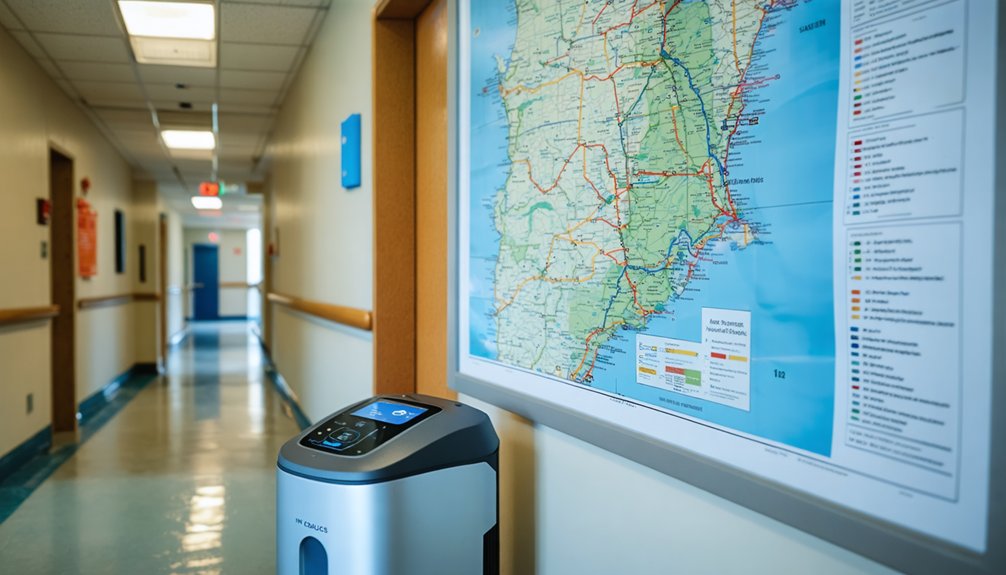
Structural reliability gets you into a safe shelter — but if you rely on medical equipment, you’ll need to take additional steps before a storm ever threatens.
Completing the pre-registration process early gives shelter staff time to accommodate your medical equipment requirements.
Follow these steps before severe weather season begins:
- Contact your local emergency management office to register your equipment needs, including power dependencies, oxygen, or refrigerated medications.
- Provide documentation of your equipment specifications so shelter coordinators can confirm available accommodations.
- Confirm backup power availability at your chosen shelter, and identify a hospital-adjacent location as your primary option for continuous medical support.
Don’t wait until warnings sound.
Pre-registering protects your autonomy and guarantees staff aren’t scrambling to meet your needs during a crisis.
Apps That Find Storm Shelters Near Hospitals and Medical Facilities
Finding a storm shelter near a hospital during an emergency doesn’t have to mean guessing or relying on outdated paper maps. Several apps now give you real-time shelter locations so you can act fast and stay informed.
Use these tools to locate nearby options quickly:
- Tornado Shelter Finder – Works offline and pinpoints shelters based on your current position, supporting shelter accessibility when networks fail.
- Red Cross Emergency App – Displays open shelters with tent icons and updates dynamically as conditions change.
- 211 Sacramento Map – Uses color-coded icons to distinguish shelter types by hours and services.
Apps built through hospital partnerships often prioritize medically equipped facilities.
Download your preferred app before severe weather strikes, not during it.
Frequently Asked Questions
Can Hospitals Legally Operate as Official Storm Shelters During Emergencies?
Yes, hospitals can legally operate as official storm shelters, but you’ll need to verify their emergency protocols and legal responsibilities locally. Each facility’s designation depends on jurisdiction-specific regulations, so check with your local emergency management office.
Are Storm Shelters Near Hospitals Accessible to Non-English-Speaking Patients?
Like a lifeline cutting through chaos, you’ll find most storm shelters near hospitals address language barriers with multilingual emergency signage, guiding non-English-speaking patients clearly toward safety during critical moments. Always confirm accessibility options beforehand.
Do Hospital-Adjacent Shelters Accept Pets During Severe Weather Events?
Most hospital-adjacent shelters don’t accept pets due to health regulations. You’ll want to check each location’s pet policies in advance. Red Cross shelter amenities prioritize human safety, so arrange alternative pet accommodations before severe weather strikes.
Who Coordinates Communication Between Hospital Staff and Nearby Shelter Managers?
Over 1,500 people shelter in a single facility during major storms. You’ll find that local emergency management officials coordinate communication protocols between hospital staff and shelter management, ensuring you get seamless, real-time updates during severe weather events.
Are Storm Shelters Near Hospitals Inspected Differently Than Standard Community Shelters?
You’ll find that shelters near hospitals don’t follow different inspection criteria — they’re subject to the same shelter regulations as standard community shelters, though local authorities may apply additional safety checks based on proximity to medical facilities.
References
- https://survive-a-storm.com/tornado-shelter-finder/
- https://www.211sacramento.org/211/severe-weather-spaces/
- https://www.lakemartinstormshelters.com/news/safest-spot-storm-shelter
- https://www.redcross.org/get-help/disaster-relief-and-recovery-services/find-an-open-shelter.html
- https://findyourtornadoshelter.com