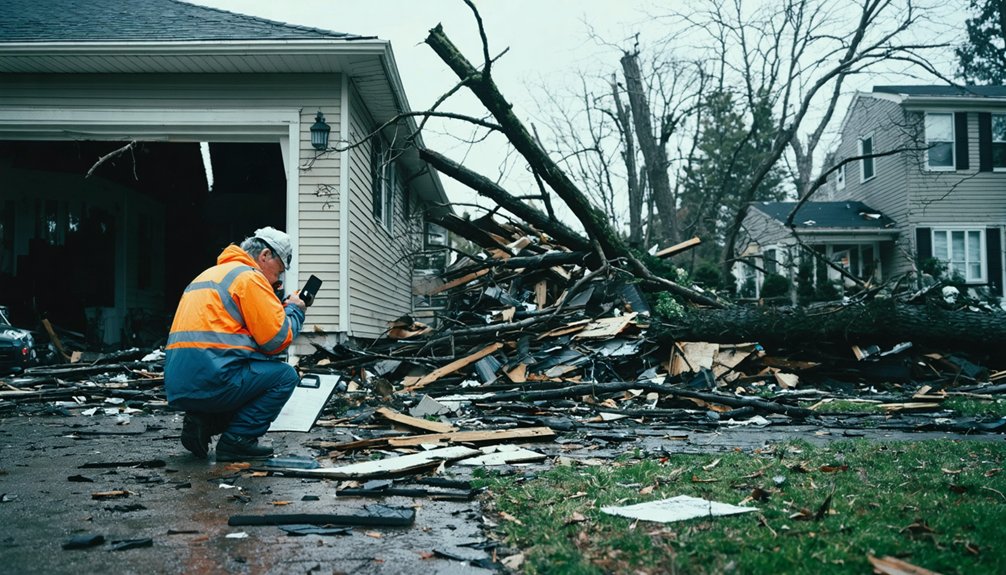
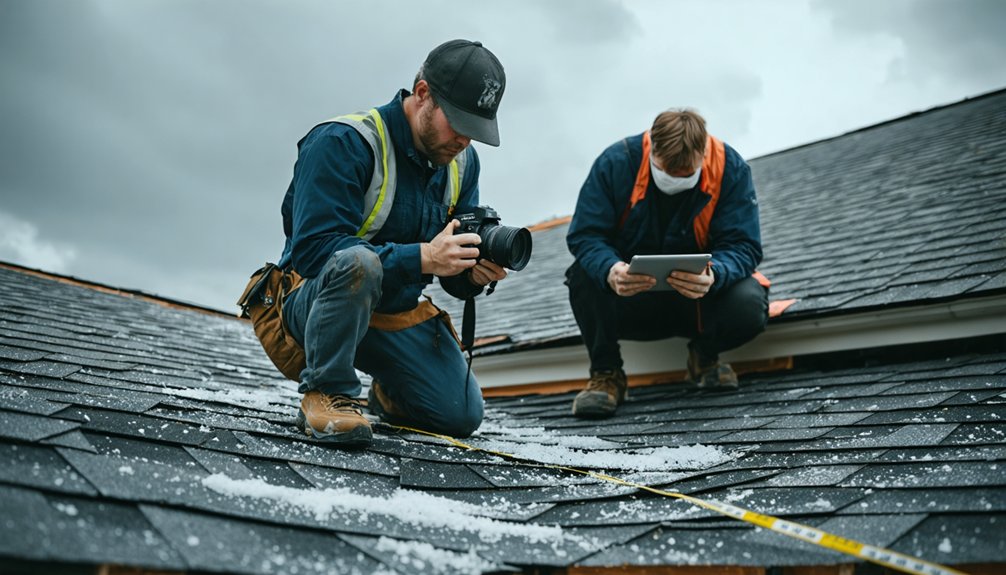
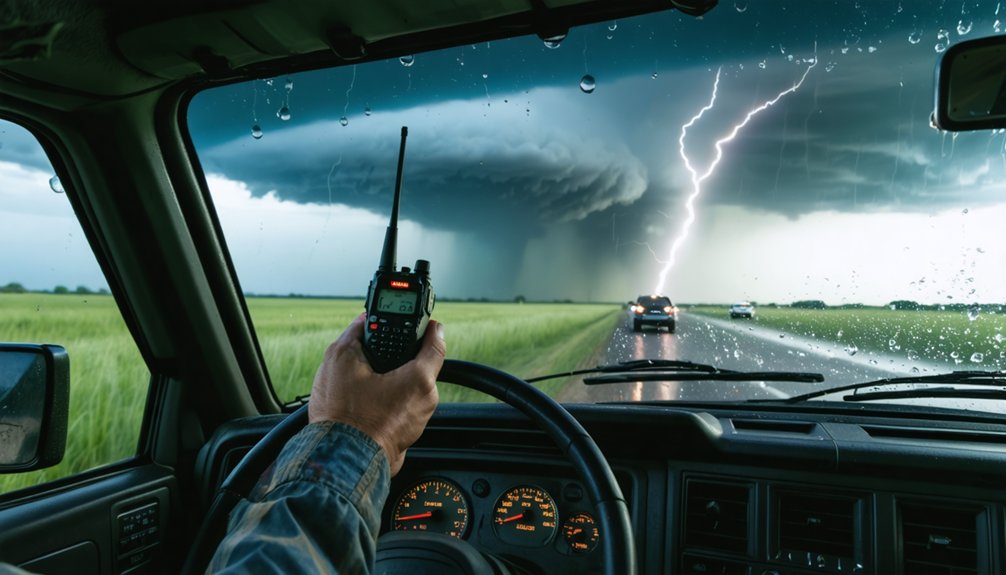
When a storm turns dangerous, you should call 911 or 112 immediately for life-threatening emergencies like structural collapse, severe injuries, or trapped individuals. Lead with your exact location—address, landmarks, floor, and room—then describe the emergency clearly and concisely. If you’re a storm chaser, use GPS coordinates and road names when reporting field emergencies. Stay on the line, keep your phone available for callbacks, and follow dispatcher instructions until responders arrive. There’s much more you’ll want to know.
Key Takeaways
- Call 911 immediately for life-threatening emergencies, clearly stating your exact location, including address, landmarks, and access points, before anything else.
- Storm chasers should use road names, GPS coordinates, and landmarks when reporting emergencies to dispatchers in the field.
- Provide dispatchers with a concise emergency description, including the number of people involved, visible dangers, and relevant medical details.
- Keep your phone line clear, stay on the line, and remain available for dispatcher callbacks until responders arrive.
- Avoid floodwaters, downed power lines, and unstable structures while waiting; signal your location visibly to help responders find you.
When to Call 911 During a Storm
During a storm, call 911 immediately if you observe a life-threatening condition—unresponsiveness, severe bleeding, difficulty breathing, or a structural collapse with trapped individuals. Storm safety depends on fast, decisive action, so don’t hesitate when lives are at risk.
State your exact location first, including address, landmarks, and access points. Describe the emergency clearly, give a call-back number, and stay on the line until the dispatcher releases you.
Emergency preparedness means you’ve already gathered this information before a storm arrives.
Also call 911 if you witness downed power lines, gas leaks, flooding that’s trapping people, or fire sparked by storm damage. Don’t attempt rescues that put you in danger. Let trained responders handle high-risk extractions while you guide them to the correct location.
What to Say When You Call 911 or 112?
When you reach a dispatcher, give your exact location first—include the address, nearest landmark, or road name so responders can move immediately.
Describe the emergency clearly, covering the type of threat, number of people involved, and any visible dangers like flooding, debris, or injuries.
You should also provide a callback number in case the call drops, since dispatchers may need to reach you for updated directions or conditions.
State Your Location First
The moment your call connects to 911 or 112, state your location before anything else. Dispatchers can’t send help if they don’t know where you are. Give your full address, including the building name, room number, floor, and nearest cross street or landmark.
If you’re in a remote area, mention visible road signs, mile markers, or geographic features that support faster response coordination.
Don’t wait for the dispatcher to ask — lead with location every time. Include your postcode when relevant, and specify any access restrictions like locked gates or one-way entries. This sharpens emergency communication and eliminates delays caused by guesswork.
Once you’ve confirmed your location, provide a callback number so responders can reach you if the call drops or routing changes.
Describe The Emergency Clearly
Once your location is confirmed, describe the emergency clearly and without delay. State the nature of the incident first — fire, injury, cardiac arrest, severe bleeding, or active threat. Don’t over-explain; dispatchers need fast, accurate facts, not a narrative.
Effective emergency communication means delivering only what responders require: the type of emergency, how many people are involved, and any immediate dangers like smoke, weapons, or hazardous conditions.
If you’re calling during a storm chase, include road access constraints and current weather movement.
Following established safety protocols keeps the call focused and responders informed. Mention visible symptoms, known medical conditions, or structural hazards when relevant.
Stay calm, speak directly, and answer every dispatcher question until they release you. Your words direct the response — make them count.
Provide A Callback Number
Giving dispatchers your callback number guarantees they can reach you if the call drops or they need updated information. Strong emergency communication depends on this simple step, and it directly supports response coordination when conditions shift fast.
Before or immediately after stating your location, share your number clearly:
- State your number slowly — don’t assume the dispatcher captured it automatically from caller ID.
- Confirm the number is active — use a phone you’re carrying and keeping charged throughout the event.
- Stay available — keep the line free so dispatchers can call back with route updates, instructions, or safety alerts.
Your callback number keeps responders connected to your situation, giving you and others the best chance at a fast, organized response.
What Information Dispatchers Need From You
When you call emergency services, dispatchers need specific information fast. Lead with your exact location — address, floor, room number, or nearby landmarks. Don’t wait to be asked.
In an emergency, location comes first — address, floor, room, landmark. Don’t hesitate. Don’t wait to be asked.
Next, describe the emergency clearly. For medical emergencies, include the patient’s age, symptoms, and any relevant medications or allergies. For hazards, mention immediate dangers like fire, weapons, or structural damage.
State how many people are involved and whether anyone’s injured. If you’re coordinating with storm chasers, confirm their exact position, road access, and equipment safety status so responders can reach them without delay.
Keep your callback number ready and stay on the line. Dispatchers may need updated details as conditions change. Your precision directly determines how fast help arrives.
How Storm Chasers Should Report Emergencies in the Field
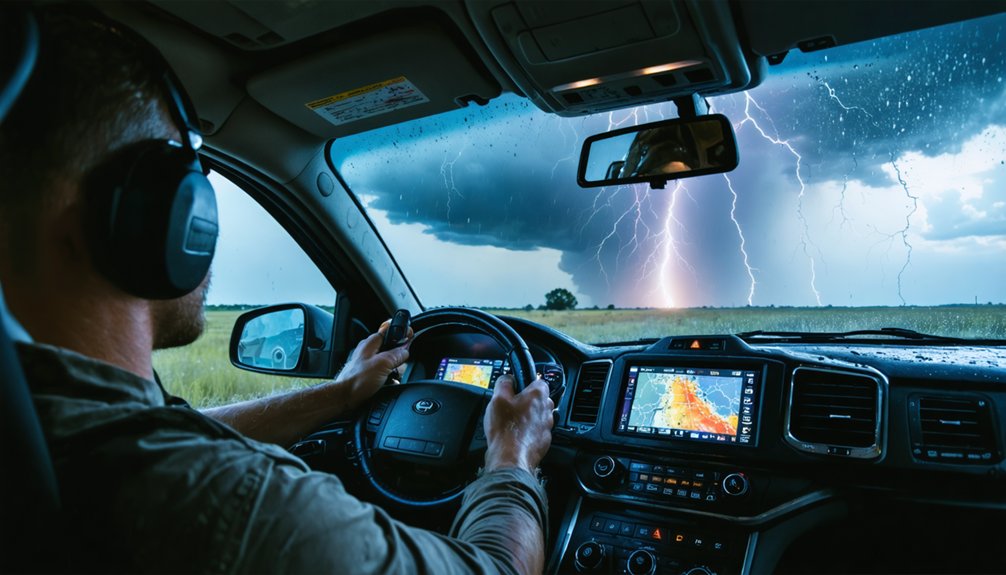
Storm chasers operate in rapidly changing conditions, so your emergency reports must be immediate, specific, and structured. Your equipment preparation should include a charged phone, backup radio, and updated contact list before you enter any hazardous zone.
Following strict safety protocols keeps you operational and credible when dispatchers need real-time updates.
When reporting from the field, prioritize these three actions:
- State your exact location using road names, landmarks, and GPS coordinates.
- Describe the emergency clearly, including injuries, hazards, or storm track changes affecting access routes.
- Stay available for dispatcher callbacks and provide updated conditions if the situation shifts.
Don’t enter floodwater or debris fields while reporting. Your mobility keeps you valuable and safe.
How to Stay Safe While Waiting for Responders
While you wait for responders to arrive, stay calm, keep your phone close, and monitor the situation for any changes that could affect your safety or theirs.
If you’re in a visible location, use a light-colored cloth, flashlight, or any available signal to help responders locate you quickly.
Don’t re-enter a dangerous area, cross floodwater, or approach unstable structures—hold your position and follow any instructions the dispatcher gives you until help reaches you.
Stay Calm and Alert
Staying calm after you’ve contacted emergency services isn’t just good advice—it’s a critical part of keeping yourself and others safe until responders arrive. Panic disrupts response coordination and clouds your judgment when it matters most. Emergency preparedness means knowing what to do before a crisis hits so you’re not improvising under pressure.
Keep your focus sharp by following these three steps:
- Control your breathing — slow, deliberate breaths reduce panic and sharpen decision-making.
- Stay on the line — dispatchers may issue updated instructions as conditions change.
- Monitor your surroundings — note any new hazards, changing access routes, or shifts in the situation.
You’re not powerless while waiting. Stay observant, stay composed, and stay ready to relay critical updates to arriving responders.
Signal Your Location
Once you’ve made contact with emergency services, your next priority is making yourself visible and easy to locate. Location accuracy determines how fast help arrives, so don’t leave it to chance.
If you’re indoors, move toward a window and signal with a light-colored cloth or flashlight. If you’re outside, stay in an open area away from hazards.
Maintain emergency communication with dispatchers and update them if your position changes.
Send someone to the nearest entrance or intersection to flag down responders directly. Share landmarks, building access points, and any route obstructions that could slow arrival.
Keep your phone line clear and available for callback.
Stay visible, stay put, and stay in contact until responders confirm they’ve reached your exact position.
Avoid Further Danger
Waiting for responders doesn’t mean staying passive — it means actively managing your environment to prevent conditions from worsening. Apply hazard awareness constantly and follow established safety protocols until help arrives.
- Keep distance from active threats. Stay away from downed power lines, floodwater, unstable structures, and fire sources. Don’t re-enter a dangerous zone once you’ve exited.
- Monitor changing conditions. Storms shift, fires spread, and situations escalate fast. Reassess your surroundings regularly and move to a safer position if your current location becomes compromised.
- Avoid unnecessary movement. Unless your position becomes directly dangerous, stay put. Moving unpredictably makes it harder for responders to locate you quickly.
Your priority is survival, not heroics. Stay alert, stay positioned, and let trained professionals handle the threat.
How Responders Use Your Location to Reach You Faster
When you call emergency services, the location details you provide directly determine how fast responders reach you. Dispatchers use your emergency communication to route the nearest available units, so location accuracy isn’t optional — it’s critical.
Give your full address, including building name, floor, room number, and the closest entrance. If you’re in a remote or unfamiliar area, name nearby roads, landmarks, or mile markers.
Don’t assume dispatchers can pinpoint you automatically. GPS and cell tower data can be imprecise, especially indoors or in rural zones. Confirm your postcode when possible.
If you’ve sent someone to meet responders at a main entrance, tell the dispatcher immediately. Every precise detail you provide cuts response time and keeps responders from searching when they should be acting.
Frequently Asked Questions
Can I Text Emergency Services Instead of Calling Them?
You can text emergency services in some regions, but don’t rely on it. Always call when possible for faster, clearer emergency communication alternatives. Confirm texting safety availability with your local provider before any crisis arises.
What Happens if I Accidentally Dial 911?
Don’t hang up — stay on the line and tell the dispatcher it’s an accidental call. Emergency call etiquette requires you to confirm no help is needed, addressing privacy concerns during calls while preventing unnecessary responder dispatch.
Are Emergency Calls Free to Make From Any Mobile Phone?
Over 240 million 911 calls are made yearly. You can make emergency calls free from any mobile, even without service—mobile phone compatibility guarantees emergency call procedures work across all networks, giving you unrestricted access when it matters most.
Can Emergency Services Trace My Location Without Me Speaking?
Yes, many services can trace you using GPS tracking without you speaking. Your phone’s location privacy settings may limit accuracy, but dispatchers often receive your coordinates automatically when you dial emergency numbers.
Should I Call Again if My Emergency Situation Suddenly Changes?
Yes, call again immediately if your situation changes. Update dispatchers with new details to guarantee rapid response. Don’t assume they know; proactive emergency communication keeps responders informed, redirects resources accurately, and protects your freedom to act decisively.
References
- http://www.osha.gov/emergency-preparedness/getting-started
- https://ors.od.nih.gov/ser/dem/workplace-emergencies/basic-procedures/Pages/default.aspx
- https://www.publicsafety.upenn.edu/pennready/procedures/
- https://www.redcross.org/take-a-class/resources/articles/the-three-cs-of-first-aid-check-call-care
- https://www.yorksj.ac.uk/staff/telephone-directory/emergency-calls-procedure/
- https://www.cws.com/en/fire-safety/news/making-emergency-call-correctly
- https://www.edinburgh.gov.uk/downloads/file/22131/app-21-procedure-to-call-emergency-services
- https://cif.ie/wp-content/uploads/2021/01/CIF-Guidance_Interacting-with-Emergency-Services_Rev-1_15.12.2020.docx
- https://www.platform.org.nz/assets/Documents/EMERGE_1.PDF