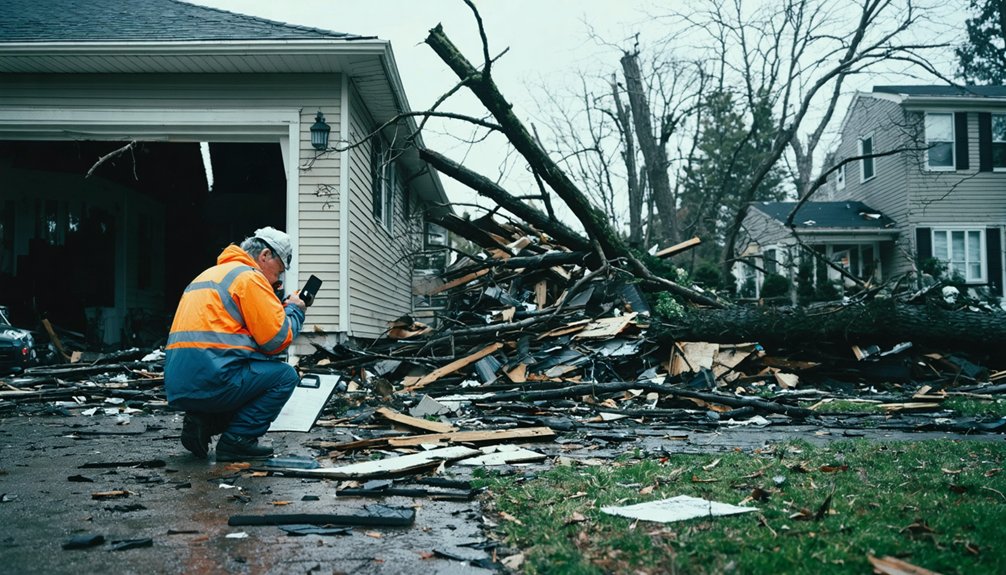
When coordinating psychological emergency response, you’ll need three core strategies to prevent systemic failure. First, build one unified MHPSS coordination group that integrates health, protection, and community services under a shared structure. Second, map needs and service gaps early using culturally sensitive assessments to guide triage and resource deployment. Third, train frontline workers in psychological first aid — look, listen, link. Each strategy reinforces the others, and there’s much more to unpack ahead.
Key Takeaways
- Establish a unified MHPSS coordination group integrating health, protection, and community services to prevent duplication, fill gaps, and protect survivors effectively.
- Apply the Look, Listen, Link framework to standardize psychological first aid and ensure consistent, structured on-scene emergency response.
- Conduct early needs mapping to identify vulnerable populations, assess service gaps, and guide resource prioritization across all response sectors.
- Engage stakeholders across health and protection sectors with clearly defined roles to foster cohesive, efficient psychological emergency coordination.
- Allocate resources through a unified operational framework, maintaining flexibility to adapt deployment as situational needs and community conditions evolve.
Build One Unified MHPSS Coordination Group
When psychological emergencies strike, fragmented response efforts cost lives and deepen trauma. You need one unified Mental Health and Psychosocial Support (MHPSS) coordination group pulling every relevant actor together — health, protection, and community services — under a shared operational structure.
Effective stakeholder engagement means clearly defining roles, responsibilities, and procedures so nobody’s duplicating work or falling through gaps. You’re not just coordinating agencies; you’re protecting survivors from systemic failure.
Smart resource allocation depends on this unified structure. When everyone operates from the same coordination table, you eliminate wasteful overlap and direct limited capacity precisely where it’s needed most.
Use the Red Cross framework — Look, Listen, Link — to standardize on-scene response. One group, one plan, one direction. That’s how you protect people when everything else feels out of control.
Map MHPSS Needs and Service Gaps Early
Early mapping of MHPSS needs and service gaps gives your coordination group the situational clarity it needs to act decisively. Without it, you’re allocating resources blindly and risking harm to the very people you’re trying to protect.
Without early needs mapping, you’re allocating resources blindly—and risking harm to the people you’re trying to protect.
Conduct systematic assessments to identify vulnerable populations, communication channels, and priority concerns. You’ll uncover where community resilience already exists and where it’s fracturing under pressure. That distinction matters—it tells you where to reinforce, not just intervene.
Cultural sensitivity isn’t optional here. Your assessment methods must reflect the values, languages, and social structures of affected communities. Imposing outside frameworks without local context undermines trust and distorts your data.
Use findings to guide psychological triage, referral planning, and resource prioritization. Shared situational awareness across sectors strengthens your collective response from day one.
Train Frontline Workers in Psychological First Aid
Situational clarity only holds value if your frontline workers know what to do with it. Train them in psychological first aid so they can respond with purpose, not panic. This means teaching the core sequence: look, listen, link. They assess conditions, engage affected individuals with active listening, and connect people to available support.
Crisis de-escalation depends on workers who can regulate their own responses while stabilizing others. Validate emotions, communicate calmly, and provide practical help — food, shelter, medical access — without overwhelming people.
Emotional resilience isn’t automatic; it’s built through preparation. Orient your teams before emergencies occur, not during them. When workers understand psychological first aid principles, they move faster, waste fewer resources, and restore a sense of safety where it’s needed most.
Frequently Asked Questions
How Should Agencies Coordinate Mental Health Messaging During an Active Emergency?
You’ll want to unify crisis communication through one coordination group, sharing clear, plain-language messages across trusted platforms. Prioritize community engagement to reduce rumors, reinforce positive coping, and make certain your agencies aren’t contradicting each other during active emergencies.
What Referral Pathways Connect Frontline Workers to Specialized Mental Health Services?
You don’t need bureaucratic complexity—clear referral protocols connect you directly to specialists. Link frontline workers through service integration pathways spanning general health, community supports, and mhGAP-trained staff, ensuring survivors reach appropriate psychological care quickly.
How Can Organizations Monitor the Quality of Psychosocial Emergency Response Efforts?
You can track quality through regular mental health assessment reviews and consistent response training evaluations. Monitor outcomes, gather frontline feedback, and measure service gaps—you’ll strengthen accountability, reduce inconsistencies, and guarantee your efforts genuinely serve affected communities effectively.
What Communication Strategies Help Reduce Harmful Rumors During Psychological Emergencies?
You’ll combat misinformation by sharing clear, trusted messages across social media quickly. Use plain language, validate emotions, and coordinate consistent updates across agencies to prevent contradictory narratives—protecting your community’s psychological safety and autonomy during crises.
How Do Responders Prevent Burnout While Sustaining Long-Term Emergency Mental Health Coordination?
Can you truly help others if you’re running on empty? You must prioritize self-care practices and lean into peer support networks. Monitor your limits, share burdens with colleagues, and build sustainable routines that protect your long-term effectiveness.
References
- https://www.who.int/docs/default-source/mental-health/iasc-guidelines-on-mental-health-and-psychosocial-support-in-emergency-settings.pdf
- https://www.who.int/news-room/fact-sheets/detail/mental-health-in-emergencies
- https://www.who.int/news-room/feature-stories/detail/delivering-effective-and-accountable-mental-health-and-psychosocial-support-(mhpss)-during-emergencies-and-beyond
- https://www.cdc.gov/niosh/docket/archive/pdfs/NIOSH-154/0154-010108-everly.pdf
- https://www.emro.who.int/cpi/publications/supporting-mental-health-and-psychosocial-well-being-in-emergencies-rcce-im-guidance-for-preparedness-and-response.html
- https://www.hse.ie/eng/services/publications/mentalhealth/emer.pdf
- https://www.redcross.org.au/globalassets/cms/documents/emergency-services/psychological-first-aid-guide-2024.pdf