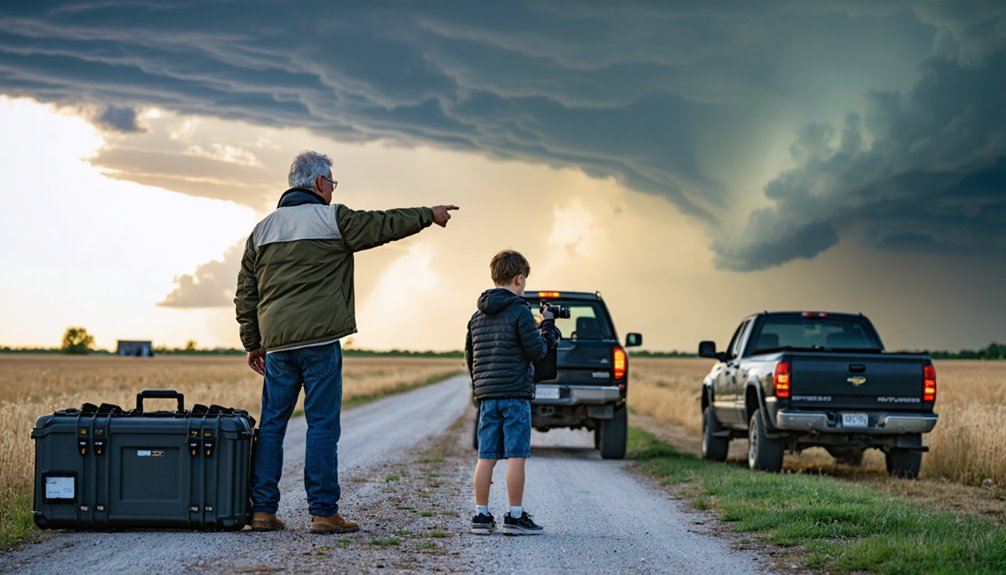
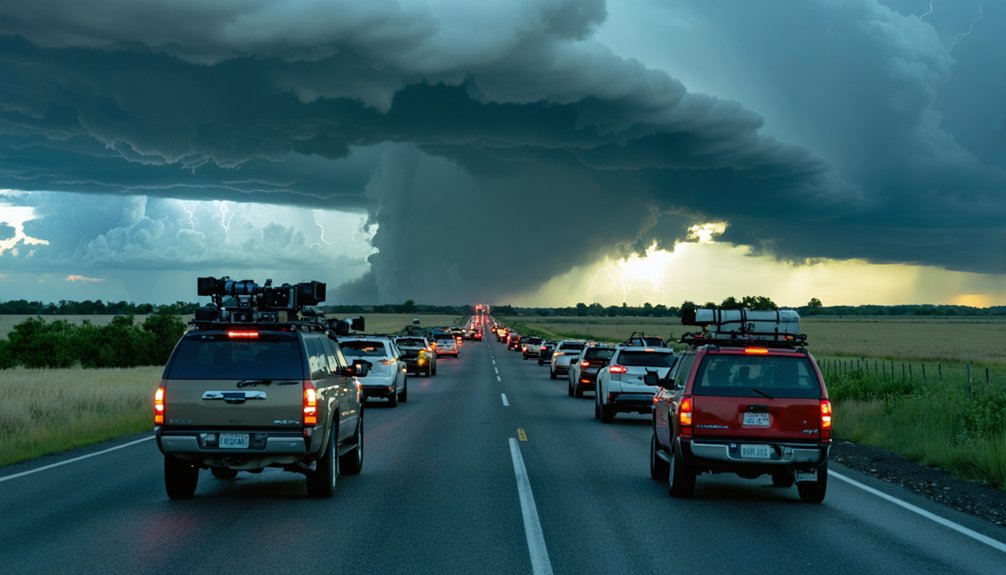
When you chase storms across culturally distinct landscapes, you’re entering living communities where severe weather carries spiritual, ancestral, and collective meaning that no radar can measure. Sacred sites often go unmarked, local routines deserve your respect, and permission isn’t just courtesy — it’s protocol. You’ll need to listen before you speak, adjust your timing, and understand what information stays private. Keep exploring, and you’ll discover how cultural awareness sharpens your safety, access, and effectiveness in the field.
Key Takeaways
- Research local cultural narratives about storms before arriving, as communities may interpret severe weather through spiritual or ancestral frameworks.
- Seek formal permission from tribal councils or elders before accessing community or sovereign land during storm chasing operations.
- Avoid photographing or recording sacred sites, and treat any community-shared information with discretion before broadcasting or publishing.
- Observe local routines and sacred gathering times to adjust routes and timing, minimizing disruption to community practices.
- Building trust through respectful cultural engagement provides access to shelters, roads, and vantage points that improve operational safety.
How Storm Chasing Intersects With Local Culture and Land Use
When you enter a rural community mid-chase, you’re not just passing through a weather system—you’re moving across land that carries cultural weight, agricultural history, and place-based meaning that no forecast model captures.
Storms hold cultural symbolism for many communities—spiritual significance, ancestral memory, or collective grief tied to past disasters.
Land stewardship shapes how locals interpret your presence on their roads, fields, and boundaries.
Some communities manage land through tribal protocols or traditional agreements that outsiders rarely see documented.
You’re operating within layered systems of meaning that predate meteorology as a discipline.
Recognizing this intersection doesn’t slow your chase—it sharpens your awareness.
You move more deliberately, ask better questions, and avoid treating someone’s homeland as backdrop for your own pursuit.
What Severe Weather Actually Means to the Communities You’re Entering
When you enter a community braced for a storm, you’re stepping into a web of meaning that meteorology alone can’t map.
Local beliefs shape whether a tornado signals divine warning, ancestral communication, or economic ruin, and those interpretations carry real weight in how residents respond and communicate.
You’ll engage more respectfully and effectively if you treat weather not as your subject but as theirs first.
Local Storm Beliefs Matter
Before you drive into any community chasing a storm, understand that the weather you’re pursuing likely carries meanings far older and deeper than any meteorological data you’ve collected.
Storms don’t exist in a cultural vacuum. Across distinct communities, they’re woven into mythology narratives that explain creation, punishment, renewal, and survival.
Ritual practices tied to severe weather shape how people respond, mourn, and rebuild — not as superstition, but as lived wisdom.
When you treat a tornado or thunderstorm as spectacle, you’re potentially dismissing frameworks that have guided communities through generations of environmental hardship.
Your fascination is real, but it’s not universal. Recognizing that difference isn’t optional — it’s foundational to ethical field behavior.
Learn the stories before you arrive. They’ll tell you more than the radar ever could.
Weather as Cultural Meaning
Severe weather doesn’t mean the same thing everywhere, and that gap between your interpretation and a community’s lived reality is where cultural friction begins. When you enter a region to chase, you’re crossing into someone else’s meteorological symbolism — a framework built from generations of loss, ritual, and survival.
A tornado isn’t just atmospheric rotation to everyone watching it form. For some communities, cultural storm narratives carry spiritual weight, ancestral memory, or agricultural consequence that no forecast model captures. You might feel excitement while they feel grief or reverence.
Recognizing that contrast isn’t optional — it’s foundational. Before you set up equipment or document anything, understand what the storm *means* where you’re standing. That understanding shapes every interaction you’ll have on the ground.
How to Get Permission Before Accessing Community or Tribal Land
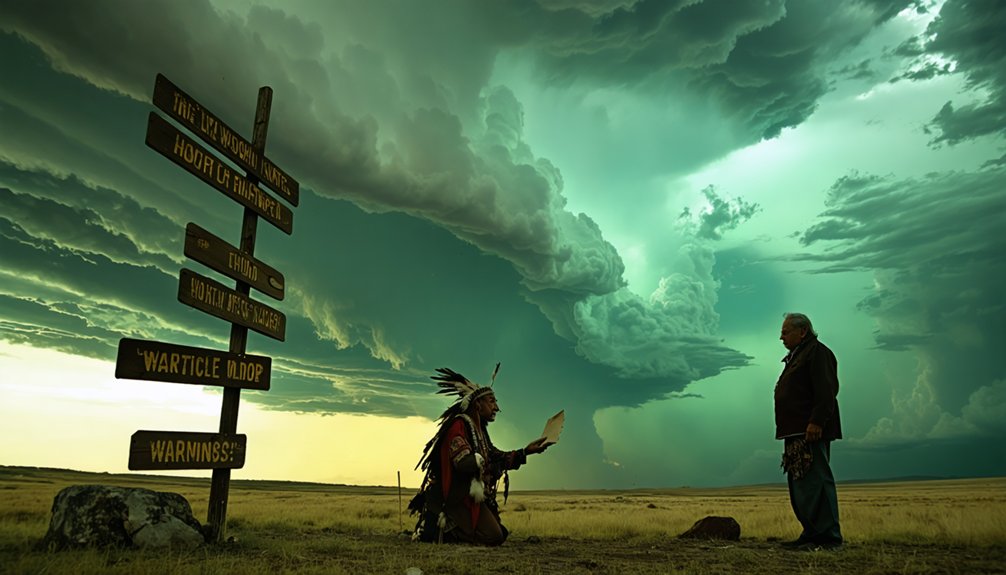
Accessing community or tribal land for storm chasing requires more than a meteorological justification—it demands that you recognize each community as a sovereign entity with its own governance structures, cultural protocols, and relationships to land and weather.
Before entering, identify the appropriate authority—whether a tribal council, land manager, or community elder—and request permission formally. Don’t assume public access means cultural access.
Community protocols vary widely; some nations require written agreements, others prefer in-person dialogue. Land permissions aren’t bureaucratic obstacles—they’re expressions of collective autonomy.
Approach leaders with humility, listen carefully, and follow their timeline. If permission is denied, respect it without negotiation.
You’ll build more trust through deference than persistence, and that trust may open future collaboration during severe weather events.
How to Talk to Local Residents Without Causing Offense
When you approach local residents near a storm event, you’ll communicate more effectively if you listen first and speak second, since communities interpret severe weather through cultural lenses that may differ sharply from your own meteorological framework.
You should recognize that a storm carrying recreational excitement for you may carry spiritual weight, livelihood anxiety, or collective memory for the people who live there.
Comparing your assumptions against what residents actually express lets you adjust your language, your tone, and your presence in ways that honor local meaning rather than override it.
Listening Before Speaking
Before you say a word about storm systems or data collection, listening to local residents shapes everything that follows. Community storytelling carries layers of meaning that no forecast model captures.
When elders describe a storm, they’re often communicating ritual significance tied to land, memory, and collective identity.
You’ll notice that communities interpret severe weather through frameworks that differ sharply from meteorological ones. Entering that space without listening first signals that your agenda outweighs their lived experience.
Ask open questions, then stay quiet. Let residents lead. Compare what you hear against what you assumed before arriving, and you’ll find the gap between those two positions instructive.
Respecting cultural differences isn’t passive courtesy — it’s active recalibration based on what local voices actually tell you.
Respecting Local Storm Beliefs
Once you’ve listened, the harder work begins: speaking in ways that don’t flatten what you just heard. Storm symbolism varies across communities — what you treat as meteorological data, others may understand as ancestral warning, divine signal, or communal reckoning. Don’t reduce that meaning to backdrop for your chase.
When ritual practices surround severe weather — ceremonial preparations, collective prayer, land restrictions — you’re entering a structured cultural response, not superstition. Respect it without requiring explanation.
Avoid framing storms as exciting spectacles when locals are managing fear, loss, or sacred obligation. Adjust your language to match the emotional register of the community. You don’t have to abandon your purpose; you have to carry it without overwriting theirs. That’s the real discipline cultural awareness demands.
What Information to Keep Private When Working Near Local Communities
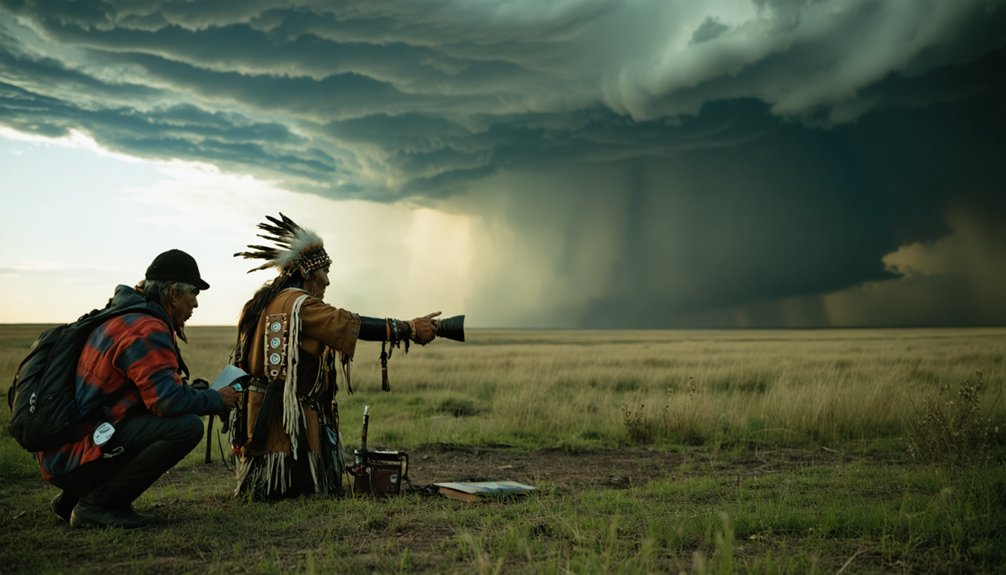
Privacy in storm chasing isn’t just about protecting your own data—it’s about recognizing that the communities you move through have their own boundaries around what’s shareable.
Data sharing and personal privacy intersect differently across cultures, so you’ll need to stay alert to both.
Keep the following private when working near local communities:
- Observational routes near sacred or restricted land — sharing these publicly can invite unwanted traffic or disrespect community protocols
- Locally sourced information — if a community member shared something informally, don’t broadcast it without permission
- Photographic or recorded content — some communities consider certain landscapes or events spiritually significant and not meant for outside audiences
Treat information the way you’d want your own treated — carefully, contextually, and with respect for who it belongs to.
How to Avoid Disrupting Local Routines, Sacred Sites, and Landscapes
Disrupting a community’s routines or sacred spaces—even unintentionally—can fracture the trust you’ve worked to build. Before positioning equipment or rerouting vehicles, learn where land boundaries exist and what they protect.
Disrupting sacred spaces—even unintentionally—fractures trust. Know the land before you move through it.
Sacred sites aren’t always marked—they’re embedded in collective memory, seasonal practice, and oral tradition.
Cultural sensitivity means observing how locals move through their landscape, not just reading a map. You adapt your timing, your routes, and your presence accordingly.
If a community gathers at dawn near a ridge for ceremonial purposes, you don’t chase through that corridor at sunrise.
Ask, listen, and adjust. Freedom to pursue severe weather doesn’t override another community’s freedom to protect their land, their rhythms, and the meaning they’ve built into both.
How Cultural Awareness Improves Your Safety and Field Effectiveness as a Storm Chaser
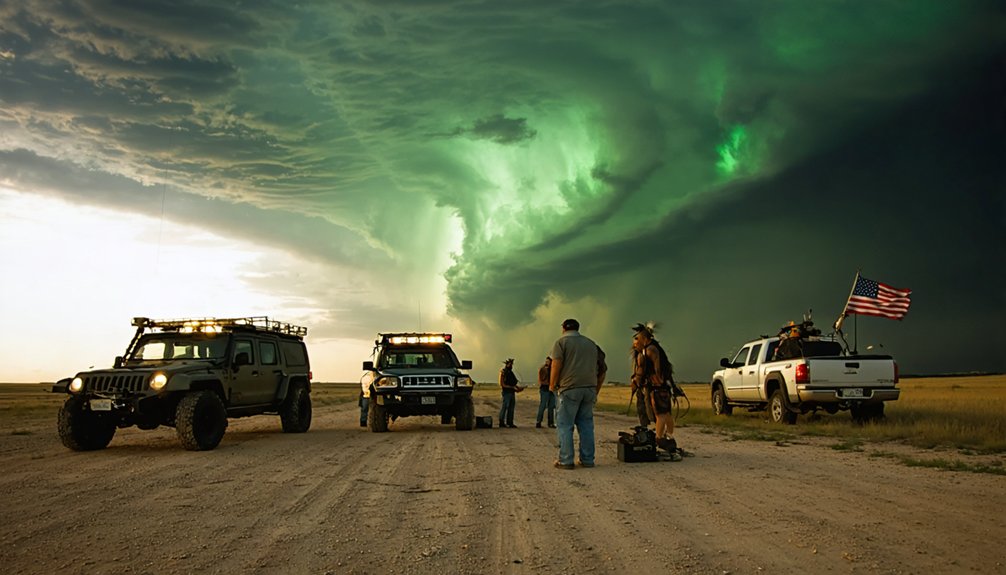
Protecting sacred sites and local routines isn’t just an ethical obligation—it’s also what keeps you operational in the field. Cultural sensitivity sharpens your situational awareness in ways that pure meteorology can’t. When you understand how a community reads the land, you navigate smarter and move faster.
Local knowledge delivers practical advantages:
- Communities familiar with storm patterns share informal safety protocols outsiders rarely access through official channels.
- Trusted relationships open access to roads, shelters, and vantage points that hostility closes permanently.
- Reading cultural cues helps you anticipate crowd behavior, reducing collision risk during evacuations.
Chasers who treat cultural awareness as fieldwork—not formality—consistently make better decisions under pressure. You’re not just a visitor passing through; you’re operating within living systems that reward respect with survival intelligence.
Frequently Asked Questions
Can Storm Chasing Ever Be Considered Disrespectful to Local Spiritual Traditions?
Yes, you can cause spiritual disruption through cultural insensitivity when you treat storms as spectacle on sacred lands. You’ll disrupt deeply held traditions, so always seek community guidance before chasing near spiritually significant sites.
How Do Cultural Differences Affect Storm Chasers’ Legal Responsibilities in Foreign Countries?
When in Rome—you’ve got to blend legal compliance with cultural awareness. Different countries hold distinct land-use laws and sacred-site protections. You’ll navigate these better by researching local customs before chasing, respecting community protocols, and securing proper permissions upfront.
Are There Professional Certifications That Include Cultural Sensitivity Training for Storm Chasers?
You won’t find formal certifications combining storm chasing with cultural awareness training, but you can pursue ethnographic fieldwork courses that address ethical considerations, helping you compare practices holistically and engage communities freely and respectfully.
How Should Storm Chasers Handle Conflicts Between Scientific Goals and Community Objections?
Like a compass finding north, prioritize community engagement first. You’ll need cultural awareness to balance your scientific goals with local objections—listen, adapt, and collaborate respectfully, ensuring your pursuit doesn’t override the community’s voice or values.
Do Storm Chasing Organizations Have Formal Codes of Conduct Addressing Cultural Respect?
Most organizations don’t yet include formal cultural awareness in their ethical guidelines, but you’ll find informal norms shaping behavior. You’re encouraged to seek community permissions, minimize disruption, and approach diverse landscapes with humility and genuine respect.
References
- https://www.meteor.iastate.edu/~mairah/mrmair/culture/chasers.html
- https://hull-repository.worktribe.com/preview/4415817/Hunter_ Nicolle – Storm Chasing in Contemporary American Society and Culture.pdf
- https://www.pbs.org/wgbh/americanexperience/features/mr-tornado-thrill-chase/
- https://crazystormchasers.com/cultural-sensitivity-in-storm-chasing-practices/
- https://en.wikipedia.org/wiki/Storm_chasing