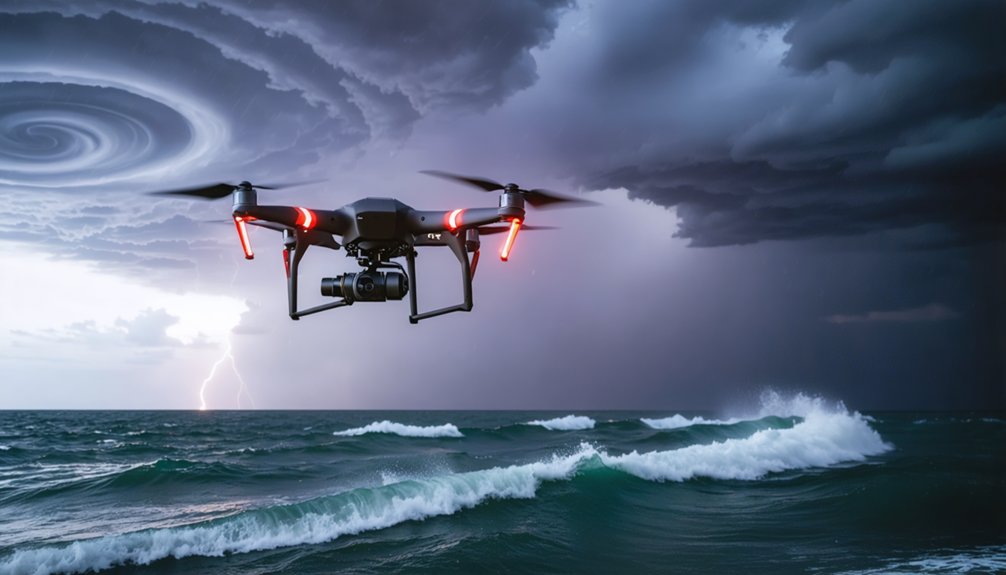
When a hurricane hits your coastal community, it can raise sea levels 20 to 30 feet through storm surge alone, wiping out infrastructure within hours. You’re also facing accelerated erosion, contaminated water supplies, downed power lines, and long-term mental health crises. Economically, damages routinely reach tens of billions of dollars. With roughly 10,000 annual deaths tied to these storms, understanding each specific threat can sharpen your preparedness markedly.
Key Takeaways
- Storm surges can elevate sea levels 20–30 feet, rapidly submerging communities and destroying coastal infrastructure like docks and low-lying structures.
- Hurricanes cause widespread physical destruction, including roof failures, uprooted trees, washed-out roads, and bridges that trap residents and disrupt evacuations.
- Flooded sewage systems spread waterborne diseases, while downed power lines create electrocution hazards and disable critical medical equipment.
- Hurricane damages reach tens of billions of dollars, devastating tourism, straining local budgets, and diverting resources from community development.
- Warmer sea surface temperatures from climate change are intensifying hurricanes, extending storm seasons, and increasing destruction to coastal communities.
How Hurricanes Physically Destroy Coastal Communities
Hurricanes release destruction through multiple simultaneous mechanisms, each compounding the damage caused by the last. Storm surge elevates sea levels 20 to 30 feet, submerging entire communities and demolishing coastal infrastructure within hours.
You’ll see coastal erosion accelerate dramatically as wave attack undermines building foundations and dune systems, stripping away the natural barriers that once protected inland properties.
High winds trigger tree uprooting across wide areas, sending projectiles into structures and severing evacuation routes.
Category 5 storms produce complete roof failures on residential buildings while obliterating mobile homes and small structures entirely.
Roads and bridges wash out under floodwaters, trapping residents who didn’t evacuate.
Sand transport inland blocks remaining routes, cutting communities off from emergency response and compounding every other simultaneous threat you’re facing.
Storm Surge: The Deadliest Threat to Coastal Areas
When a hurricane makes landfall, you’re facing storm surge as its most lethal component, capable of raising sea levels 20 to 30 feet and submerging entire coastal towns within hours.
You’ll see roads, bridges, and evacuation routes washed out or blocked by floodwaters and transported sand, cutting off communities from emergency response.
The surge’s force doesn’t just flood infrastructure—it demolishes it, driving sediment inland, eroding dunes, and undermining the structural foundations of buildings and coastal roads.
Storm Surge Flooding Impacts
Among all hurricane hazards, storm surge stands as the deadliest threat to coastal communities. It can raise sea levels 20 to 30 feet, submerging entire towns and demolishing infrastructure you’ve built over generations.
Tidal flooding compounds this destruction, pushing saltwater inland into wetlands, agricultural zones, and residential areas. Coastal erosion accelerates as powerful surges strip sand from dunes, leaving properties structurally vulnerable to future storms.
Roads, bridges, and evacuation routes wash out rapidly, cutting off your escape options. Utility lines collapse, and water supplies become contaminated, creating secondary health crises after the surge recedes.
Barrier islands in Louisiana lost 70 percent of their sand during major events. These aren’t isolated statistics — they’re direct threats to your property, safety, and long-term coastal freedom.
Coastal Infrastructure Destruction
Storm surge doesn’t just flood coastal communities — it systematically dismantles the infrastructure holding them together. When surge levels rise 20 to 30 feet, they submerge roads, collapse bridges, and sever evacuation routes critical to your survival.
Beach erosion accelerates as powerful surge strips protective sand layers, while dune destabilization leaves coastal foundations exposed and structurally compromised. Buildings lose roofing systems entirely under Category 5 conditions.
Docks, vehicles, and low-lying structures get demolished outright. Utility lines fall, contaminating water systems and cutting power.
Sand transported by surge blocks roads long after floodwaters recede. Massive wave action undermines structures built near dune systems, accelerating collapse.
Each storm compounds prior damage, systematically eroding the physical framework that keeps coastal communities functional and economically viable.
Public Health Risks After a Hurricane Hits
Hurricanes don’t just kill during landfall—they create cascading public health crises that persist long after winds subside. You’re facing biological, chemical, and psychological threats simultaneously when infrastructure collapses.
Key post-hurricane health hazards include:
- Contaminated water systems — Flooded sewage lines and damaged utilities spread waterborne pathogens, triggering disease outbreaks in vulnerable populations
- Electrical hazards — Downed power lines create electrocution risks and disable medical equipment dependent on grid power
- Mental health deterioration — Displacement, property loss, and community destruction drive anxiety, PTSD, and depression rates notably higher among survivors
Globally, approximately 10,000 people die annually from hurricanes and tropical storms—many fatalities occurring after landfall. Protecting your freedom to rebuild requires understanding these risks aren’t temporary; they reshape community health trajectories for years.
What Hurricanes Actually Cost Coastal Communities
The public health burden hurricanes impose on communities carries a direct price tag—and it’s staggering. Hurricane damage across south Florida, Louisiana, Guam, and Hawaii has totaled tens of billions in losses. You’re looking at destroyed infrastructure, interrupted utilities, debris disposal, and contaminated water systems—each carrying its own restoration cost.
Economic recovery doesn’t happen overnight. Rebuilding efforts following catastrophic storms can run millions of dollars per incident, straining local budgets and diverting public resources. Narrowing beaches and eroded dunes simultaneously reduce tourism revenue, cutting into the tax base you depend on for community services.
Community resilience requires financial preparation before landfall, not just response after. When you understand the true economic exposure hurricanes create, you’re better positioned to advocate for smarter coastal policy and infrastructure investment.
The Lasting Environmental Damage Hurricanes Cause
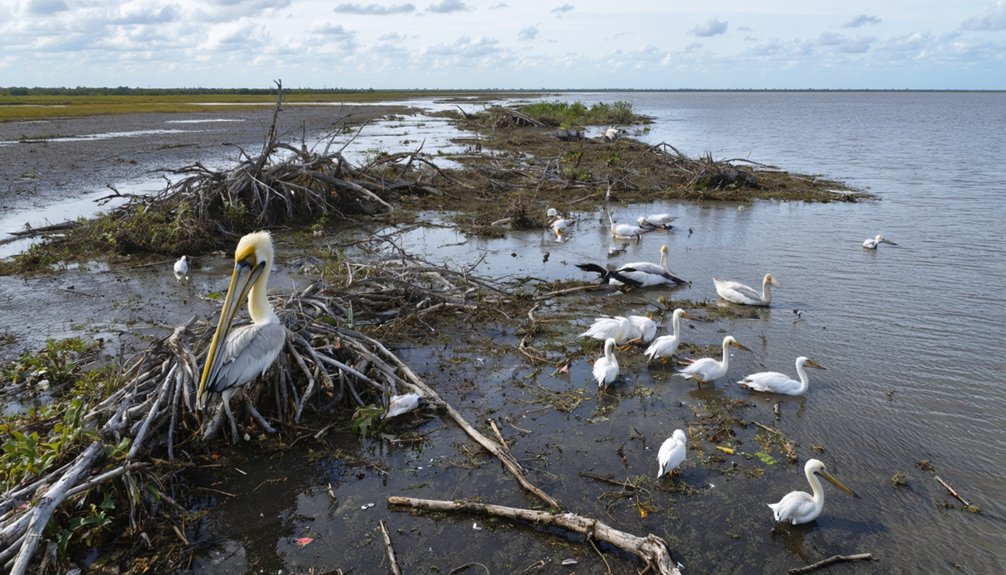
Beyond the immediate physical destruction, environmental damage from hurricanes persists for years and reshapes ecosystems in ways that compound future risk. Beach erosion strips protective dunes, leaving communities exposed to future storm surge. Coral bleaching disrupts marine biodiversity, undermining fisheries that coastal economies depend on.
Key ecological consequences include:
- Sediment displacement: Barrier islands in Louisiana lost 70% of their sand, exposing vulnerable coastal marshes.
- Vegetation destruction: Hurricane Andrew eliminated large mangrove stands, removing natural storm buffers along Florida’s shoreline.
- Reef smothering: Over 80% of oyster reefs behind barrier islands were buried under thick sediment blankets.
These cascading effects reduce your coastline’s natural resilience, making every subsequent storm statistically more destructive than the last.
Why Hurricanes Are Becoming More Dangerous Over Time
As sea surface temperatures rise, you’re facing storms with increasingly higher wind speeds that deliver greater destruction upon landfall.
You also need to account for slower storm travel speeds, which expose your community to longer periods of intense rainfall, high winds, and storm surge—driving flood elevations 15–60 percent higher than early 20th-century baselines.
Compounding these atmospheric shifts, your coastal development patterns amplify vulnerability, as denser infrastructure and eroded natural barriers like dunes leave properties and populations with shrinking margins of protection.
Rising Sea Surface Temperatures
Warmer sea surface temperatures are making hurricanes more destructive with each passing decade. When ocean temps rise, storms intensify faster and strike harder. Marine heatwaves now fuel rapid intensification events that compress your preparation window to hours, not days. Coral bleaching signals ecosystem collapse that weakens natural storm buffers you’d otherwise rely on.
Key temperature-driven threats include:
- Faster intensification: Warmer waters accelerate wind speeds, increasing potential landfall damage markedly
- Higher storm surge: Intensified storms push greater water volumes inland, raising flood elevations 15–60 percent above historical baselines
- Extended storm seasons: Elevated sea surface temperatures sustain hurricane conditions longer, expanding your vulnerability window beyond traditional peak months
You can’t afford to ignore these accelerating trends when making decisions about coastal living and evacuation preparedness.
Slower Storm Travel Speeds
Hurricanes are moving more slowly across coastlines, and that shift is compounding the destruction they deliver. Shifts in wind patterns have reduced forward storm speeds, extending the window during which surge, rainfall, and high winds batter a single location.
Storm tracking data confirms that slower-moving systems expose coastal regions to markedly higher total rainfall accumulations and prolonged surge events.
When a hurricane stalls, you’re not dealing with a passing threat—you’re absorbing sustained punishment over hours or days. That extended exposure increases flood depths, overwhelms drainage infrastructure, and accelerates erosion of protective dunes.
Every hour a storm lingers raises the probability of catastrophic structural failure. Protecting your freedom to live and operate on the coast requires understanding that slower storms aren’t weaker—they’re more destructive.
Increasing Coastal Development Risks
Coastal development has placed more people, property, and infrastructure directly in the path of hurricanes than at any prior point in recorded history. Urban expansion into flood-prone zones has intensified exposure, while zoning challenges prevent communities from enforcing building restrictions that could reduce losses.
- Areas with higher human land use face disproportionately severe long-term environmental and structural damage after storms.
- Eroded dunes from previous storms leave newly developed coastal properties defenseless against future surge events.
- Warmer sea surface temperatures amplify wind speeds, delivering greater destructive force to increasingly dense coastal infrastructure.
You’re facing compounding risks: more structures occupy vulnerable land while storms grow stronger. Without smarter zoning enforcement and disciplined development boundaries, each hurricane cycle compounds losses far beyond what prior generations experienced.
Frequently Asked Questions
How Do Hurricanes Specifically Impact Coastal Farming and Livestock Operations?
Hurricane impact devastates Coastal agriculture by flooding your farmland with saltwater, killing crops, destroying soil quality, and forcing you to manage drowned livestock — disrupting your entire planting season and threatening your operation’s long-term productivity.
Can Hurricane Damage Permanently Alter a Region’s Long-Term Agricultural Productivity?
Yes, hurricane damage can permanently alter your region’s long-term agricultural productivity. While crops recover, salt intrusion destroys soil quality, and soil erosion undermines farmland integrity, leaving you facing irreversible productivity losses that threaten your agricultural independence indefinitely.
How Quickly Can Coastal Communities Reopen Beaches After a Major Hurricane?
Beach recovery timelines vary—you’re typically looking at weeks to months. Erosion, debris, and contaminated water delay tourism revival considerably. Authorities won’t reopen beaches until sand stabilization, infrastructure restoration, and safety assessments confirm conditions meet public health standards.
Do Hurricanes Affect Fishing Industries Beyond Just the Immediate Storm Period?
Yes, hurricanes devastate the fishing industry long-term. Storm surge sediment smothers over 80% of oyster reefs, disrupting the marine ecosystem for years. You’ll face reduced harvests, lost livelihoods, and compromised food sources well beyond the storm’s passage.
How Do Mandatory Evacuation Orders Get Enforced in Resistant Coastal Populations?
Like walls closing in, authorities enforce evacuation compliance through tiered legal mandates. You’ll face fines or denied post-storm reentry for community resistance. Officials use elevation-based zones, emergency alerts, and law enforcement presence to compel departure before landfall.
References
- https://scied.ucar.edu/learning-zone/storms/hurricane-damage
- https://pubs.usgs.gov/fs/hurricane-impacts/
- https://hurricanescience.org/society/impacts/environmentalimpacts/terrestrialimpacts/index.html
- https://www.c2es.org/content/hurricanes-and-climate-change/
- https://www.nps.gov/subjects/geology/ecological-effects-of-storms.htm
- https://www.marine.usf.edu/pjocean/packets/f01/f01u5p4.pdf
- https://pubs.usgs.gov/of/2014/1243/
- https://www.usgs.gov/special-topics/hurricanes/science/coastal-hydrology-and-storm-surge